1966
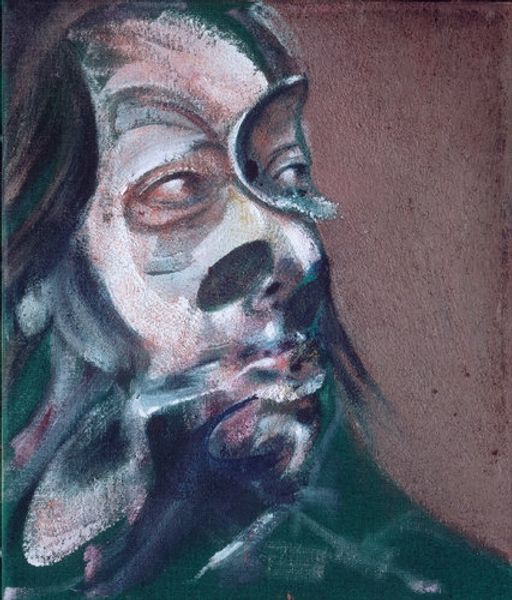
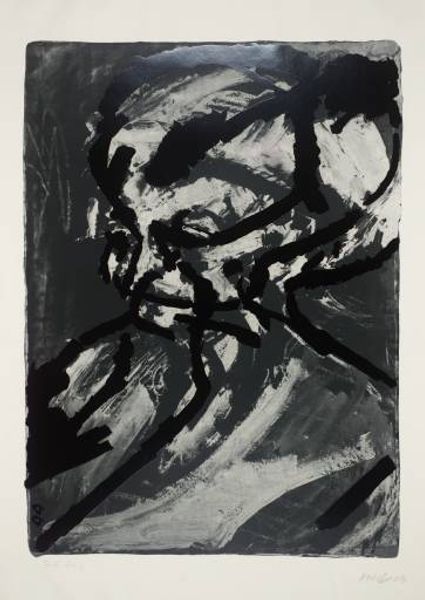
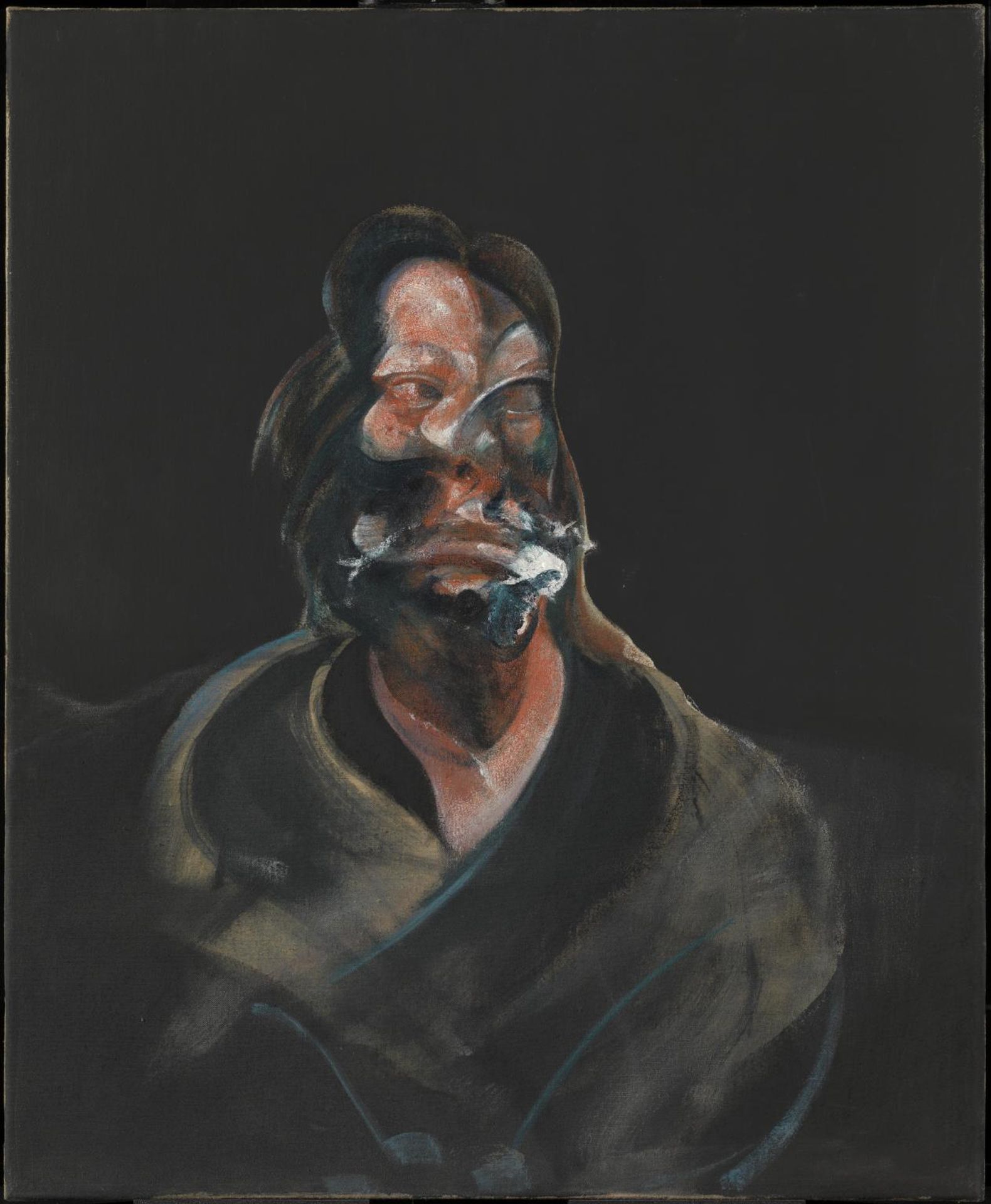
Portrait of Isabel Rawsthorne


Listen to curator's interpretation
Curatorial notes
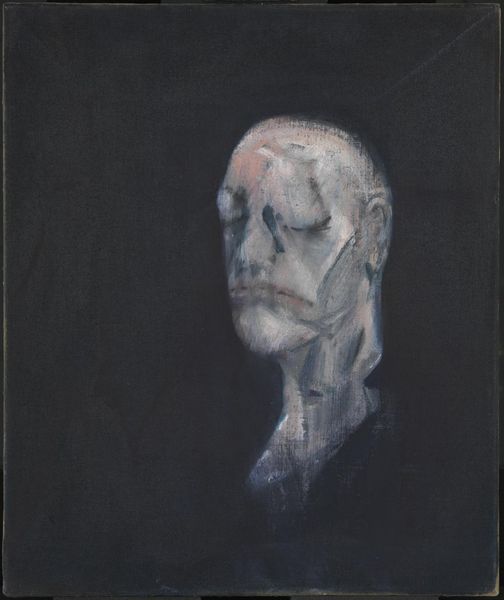
Editor: This is Francis Bacon's "Portrait of Isabel Rawsthorne", currently residing at the Tate. The dark background and distorted features create such a unsettling mood. What do you make of this portrait? Curator: The smeared and almost violent application of paint isn’t just about representing a likeness, it’s about conveying a deeper psychological truth. Bacon is exploring the raw, primal aspects of human existence. Do you see how the face seems both present and dissolving? Editor: Yes! Almost like a fleeting memory or a suppressed emotion trying to break free. Curator: Precisely. It speaks to the fragility of identity and the weight of experience, and how time and trauma can distort our self-perception. We’re not just looking at a face; we're glimpsing a soul under pressure. Editor: It's amazing how much emotion can be conveyed through such abstract forms. Curator: Indeed. Bacon reminds us that images are powerful carriers of cultural memory and individual anguish.