About this artwork
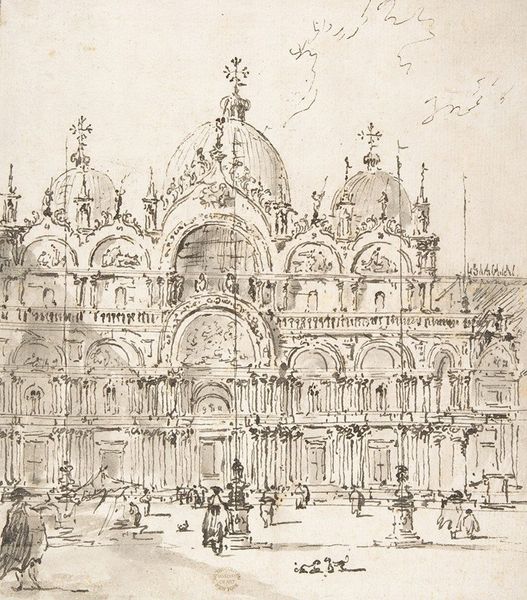
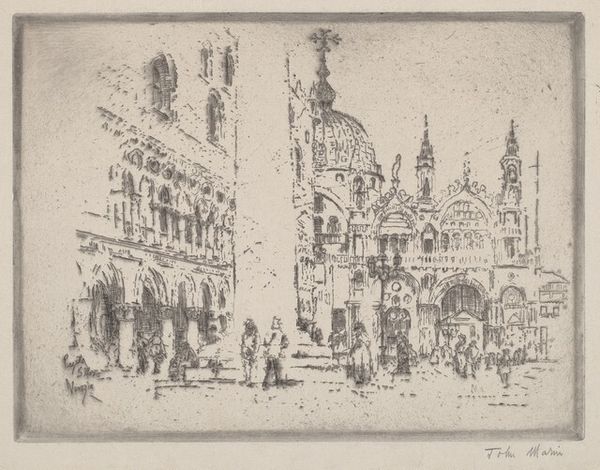
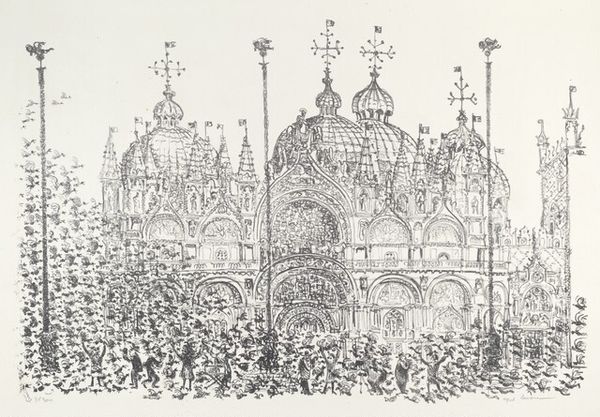
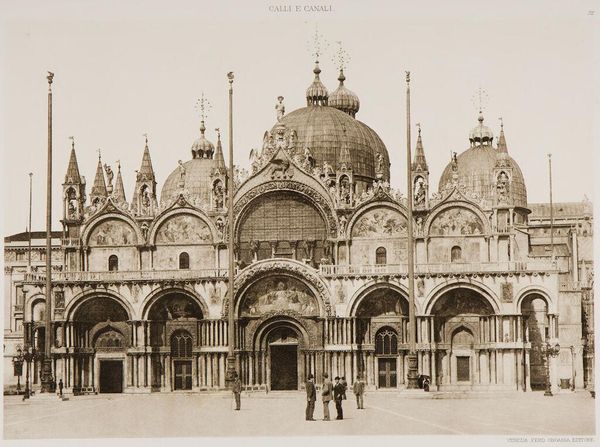
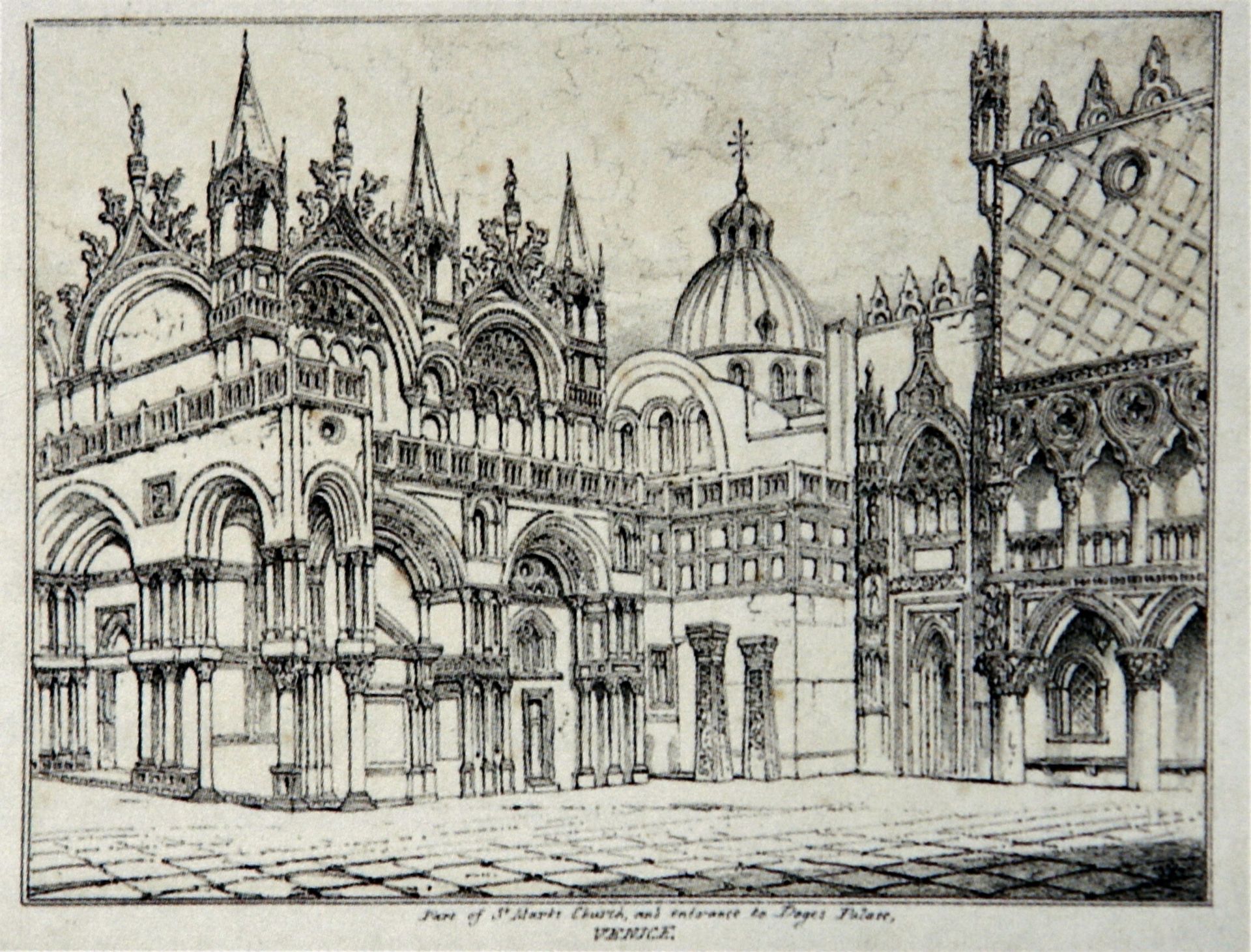
In 1835, John Ruskin created this pen and ink study of the Piazzetta and St Mark's in Venice. Ruskin's architectural studies reflect more than just aesthetic appreciation. They were part of a broader cultural project aimed at preserving the legacy of Venice, a city then under Austrian rule and threatened by modernization. Venice, with its unique blend of Byzantine, Gothic, and Renaissance architecture, represented a specific cultural identity to Ruskin. His detailed rendering of St. Mark's Basilica and the Doge's Palace serves as a record of Venice's architectural treasures. But it is also a critique of contemporary society's destructive tendencies. Ruskin saw the city as a powerful symbol of the relationship between art, society, and the environment, and the study of its architectural forms as a method of resisting social change. By studying sources such as Ruskin’s diaries and letters, we can learn more about the complex cultural and political meanings embedded in this evocative image.

Artwork details
- Medium
- drawing, paper, ink, architecture
- Copyright
- Public domain
Tags
drawing
paper
ink
romanticism
cityscape
architecture
realism
Comments
No comments
About this artwork
In 1835, John Ruskin created this pen and ink study of the Piazzetta and St Mark's in Venice. Ruskin's architectural studies reflect more than just aesthetic appreciation. They were part of a broader cultural project aimed at preserving the legacy of Venice, a city then under Austrian rule and threatened by modernization. Venice, with its unique blend of Byzantine, Gothic, and Renaissance architecture, represented a specific cultural identity to Ruskin. His detailed rendering of St. Mark's Basilica and the Doge's Palace serves as a record of Venice's architectural treasures. But it is also a critique of contemporary society's destructive tendencies. Ruskin saw the city as a powerful symbol of the relationship between art, society, and the environment, and the study of its architectural forms as a method of resisting social change. By studying sources such as Ruskin’s diaries and letters, we can learn more about the complex cultural and political meanings embedded in this evocative image.
Comments
No comments