About this artwork
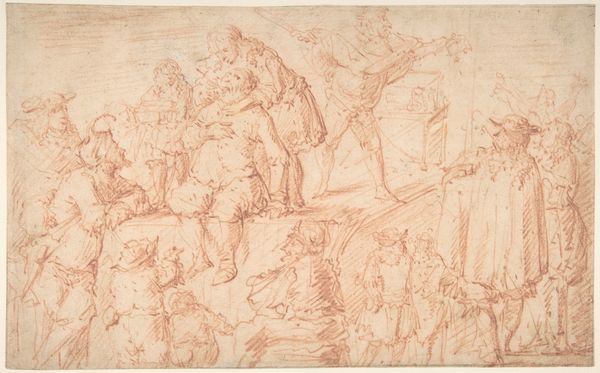
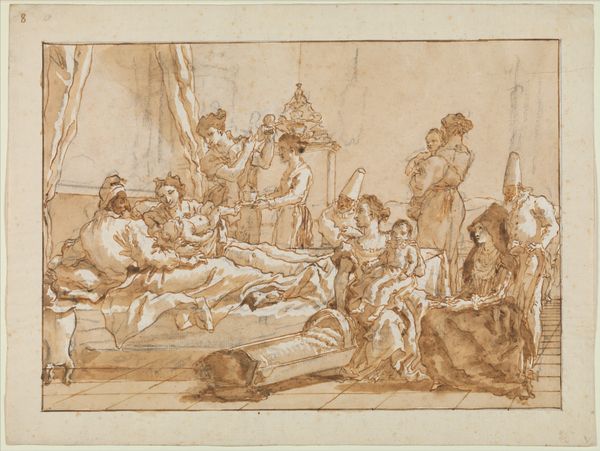
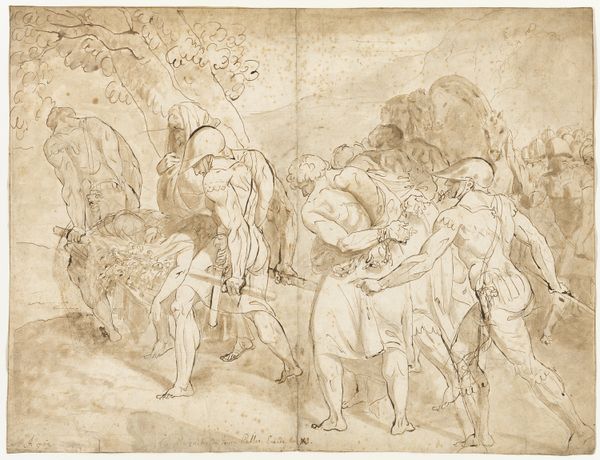
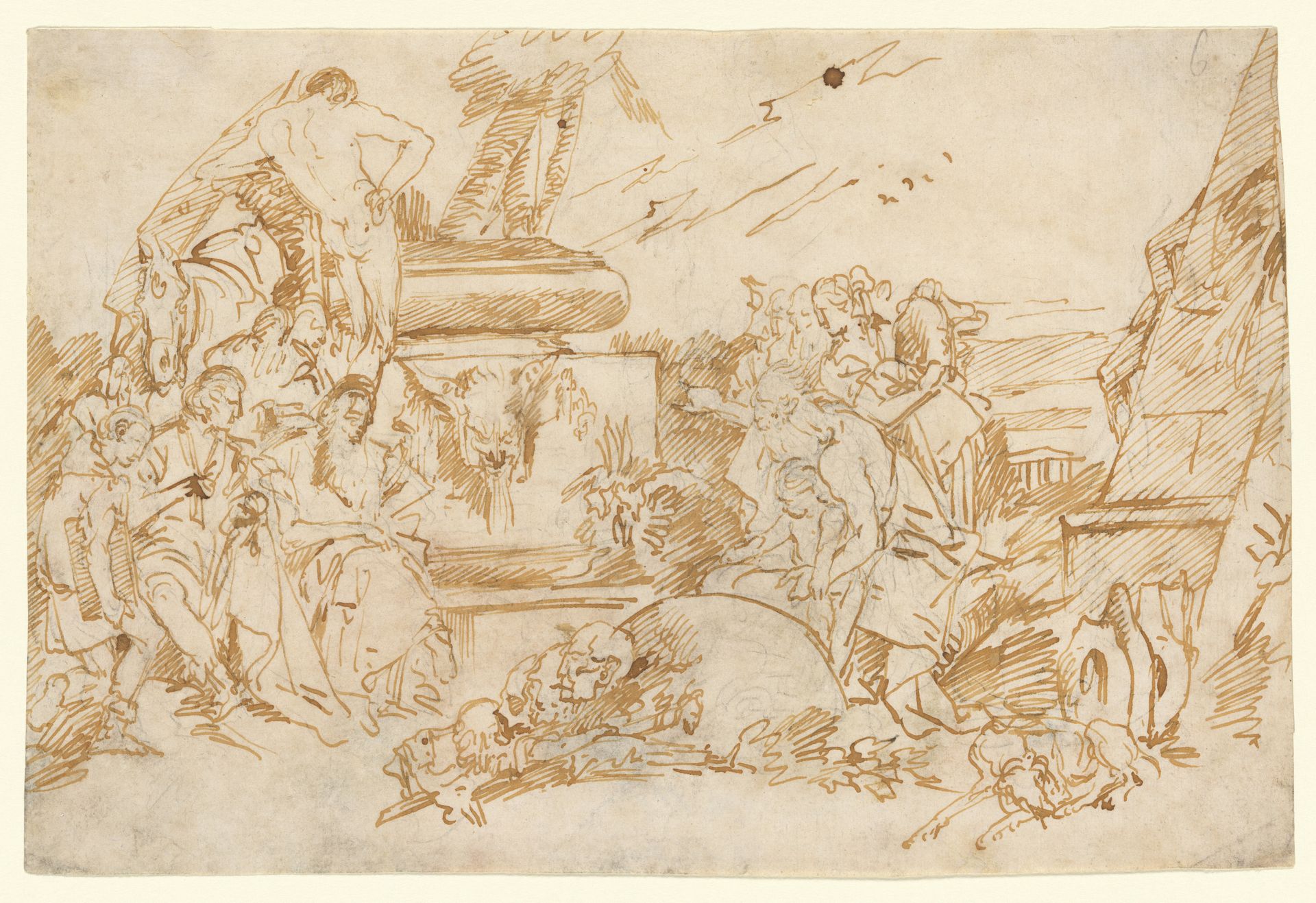
Lorenzo Baldiserra Tiepolo created this pen and brown ink wash drawing, “Figures in Antique Dress Grouped About a Pagan Tomb,” sometime in the 18th century. It offers us a window into the tastes and interests of the European elite during the Enlightenment. During this period, there was a surge of interest in classical antiquity. This drawing, with its stylized figures and classical motifs, reflects a fascination with the ancient world. While seemingly historical, it presents an imagined view of the past, shaped by the social norms and aesthetic preferences of Tiepolo's time. The drawing blurs the lines between reality and fantasy. The scene is imbued with a sense of theatricality. How does Tiepolo use the tomb as a stage? The figures seem to be performing, inviting the viewer to consider how identity is constructed through representation. What do you feel when you look at this artwork? What stories do you imagine for the figures that Tiepolo has created?
Figures in Antique Dress Grouped About a Pagan Tomb
1736 - 1770

Lorenzo Baldiserra Tiepolo
1736 - 1776
The Metropolitan Museum of Art
Metropolitan Museum of Art, New York, NYArtwork details
- Medium
- drawing, paper, ink
- Dimensions
- 8 x 12 in. (20.3 x 30.5 cm)
- Location
- Metropolitan Museum of Art, New York, NY
- Copyright
- Public Domain
Tags
Comments
Share your thoughts
About this artwork
Lorenzo Baldiserra Tiepolo created this pen and brown ink wash drawing, “Figures in Antique Dress Grouped About a Pagan Tomb,” sometime in the 18th century. It offers us a window into the tastes and interests of the European elite during the Enlightenment. During this period, there was a surge of interest in classical antiquity. This drawing, with its stylized figures and classical motifs, reflects a fascination with the ancient world. While seemingly historical, it presents an imagined view of the past, shaped by the social norms and aesthetic preferences of Tiepolo's time. The drawing blurs the lines between reality and fantasy. The scene is imbued with a sense of theatricality. How does Tiepolo use the tomb as a stage? The figures seem to be performing, inviting the viewer to consider how identity is constructed through representation. What do you feel when you look at this artwork? What stories do you imagine for the figures that Tiepolo has created?
Comments
Share your thoughts