1628 - 1630
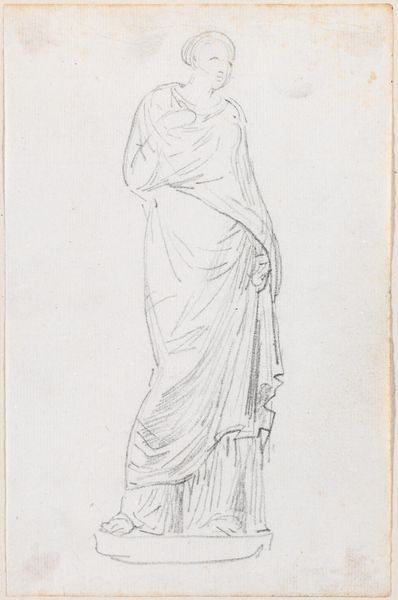
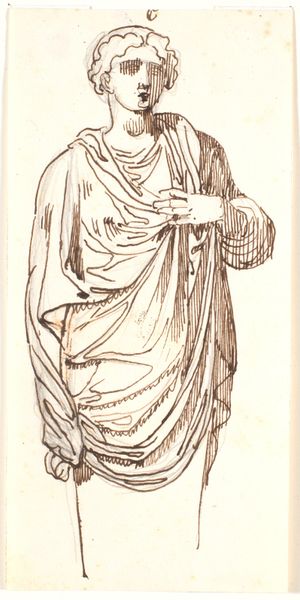
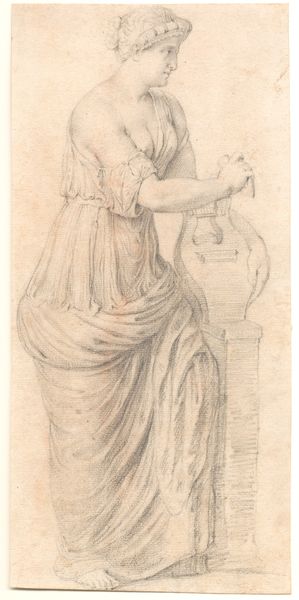
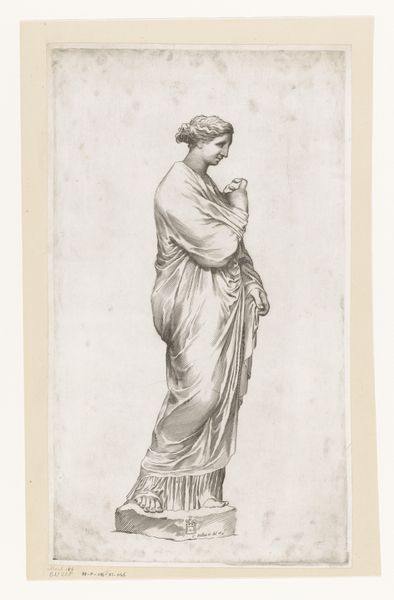
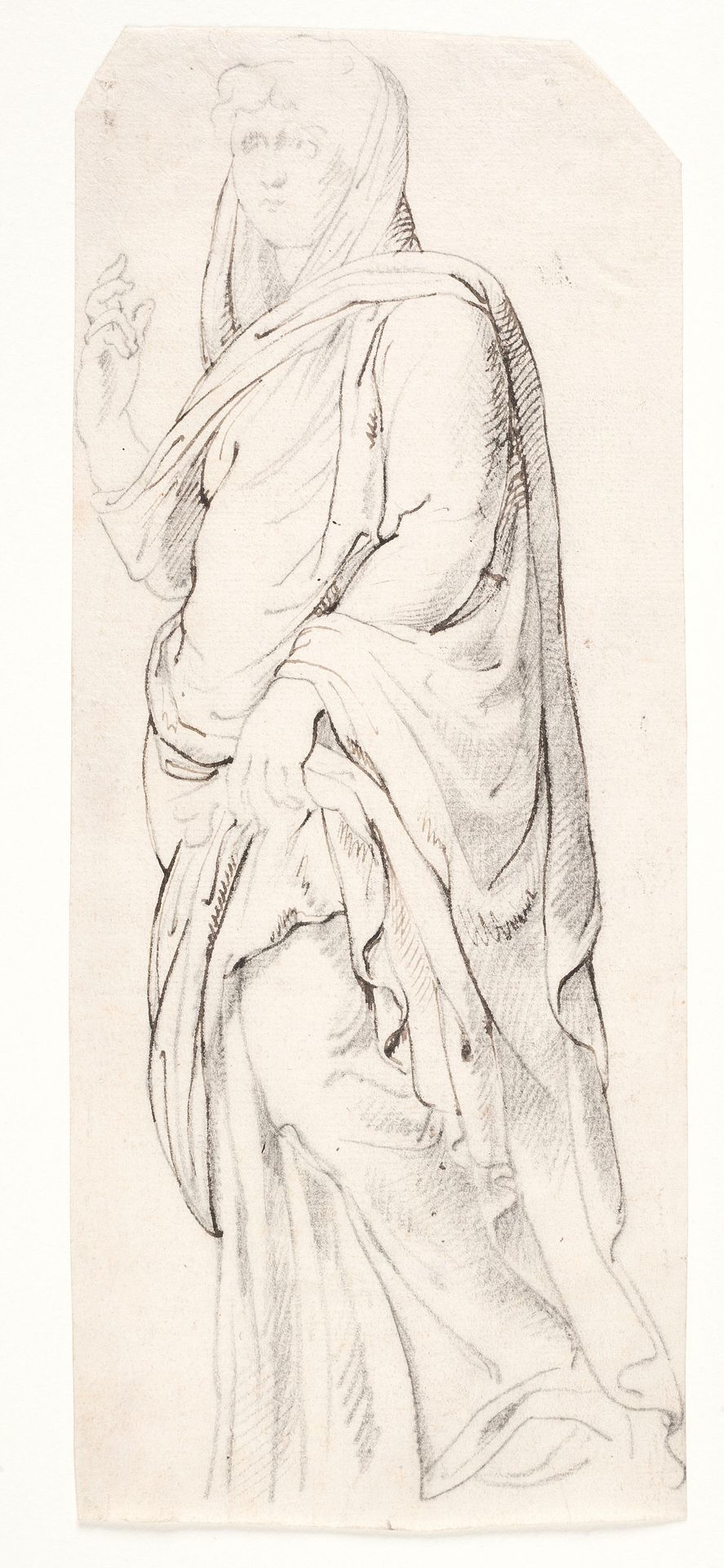
Ceres. After an antique sculpture


Listen to curator's interpretation
Curatorial notes
Willem Panneels created this drawing, Ceres. After an antique sculpture, in the 17th century. During this period, artists often looked to classical antiquity for inspiration, but this wasn't a simple act of reverence. By reinterpreting classical forms, artists like Panneels engaged with ideas about power, gender, and cultural identity. Ceres, the Roman goddess of agriculture, embodies notions of fertility and nourishment, yet here she is rendered with a certain restraint. Consider the implications of depicting a female deity in such a way. Does it challenge or reinforce existing patriarchal structures? Panneels lived in a society where women's roles were highly circumscribed, and artistic representations often reflected these limitations. Drawings like this one offer a glimpse into the complex negotiations between artistic expression and social norms. It invites us to reflect on how we see and interpret images of women, both then and now.