About this artwork
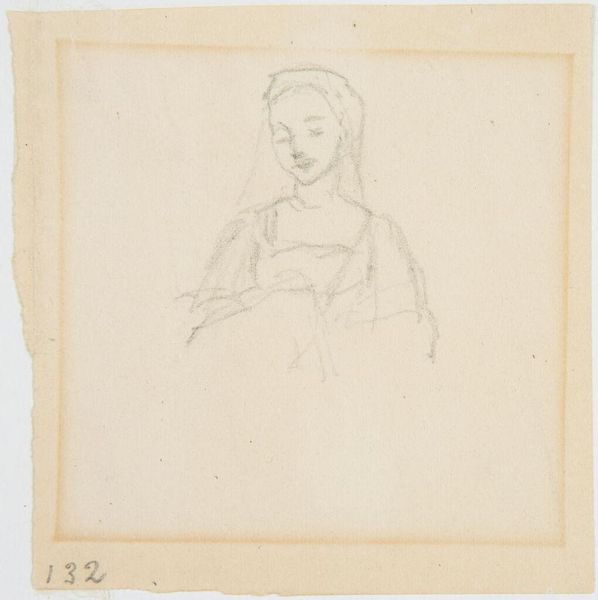
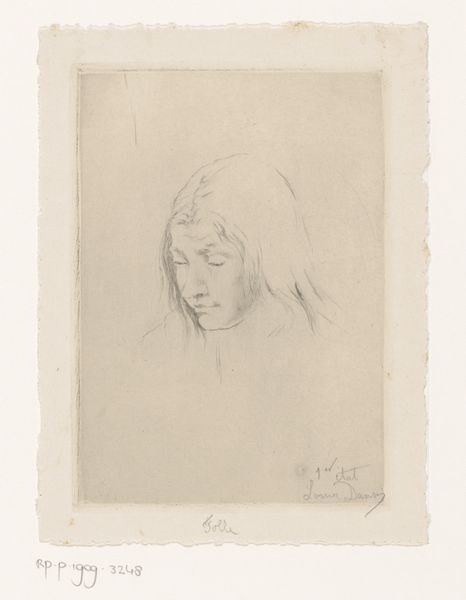
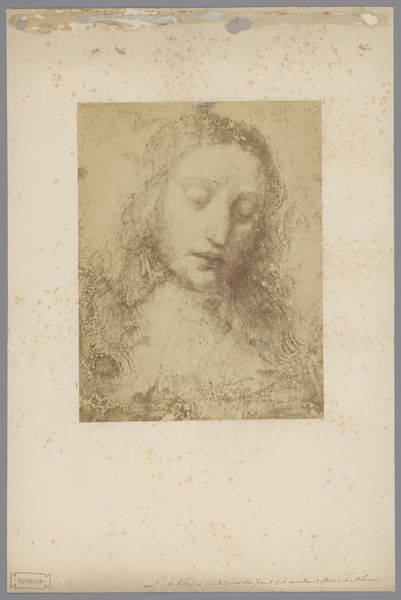
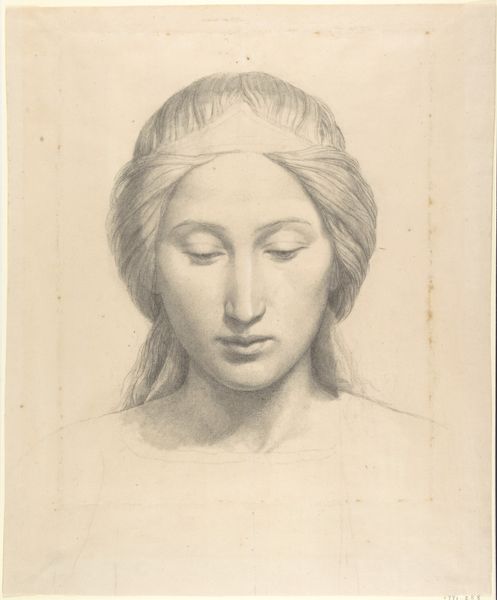
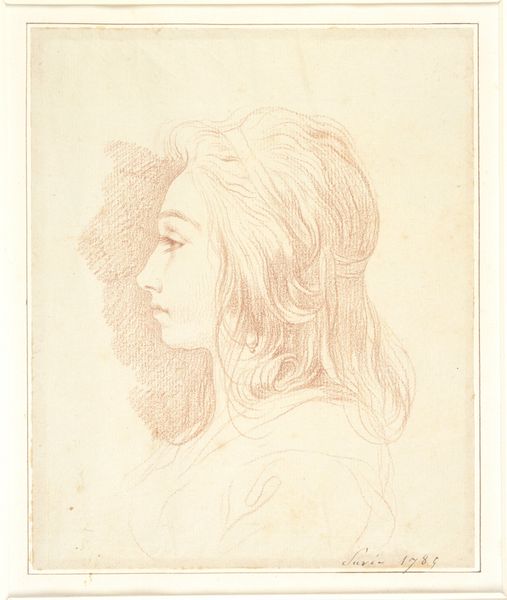
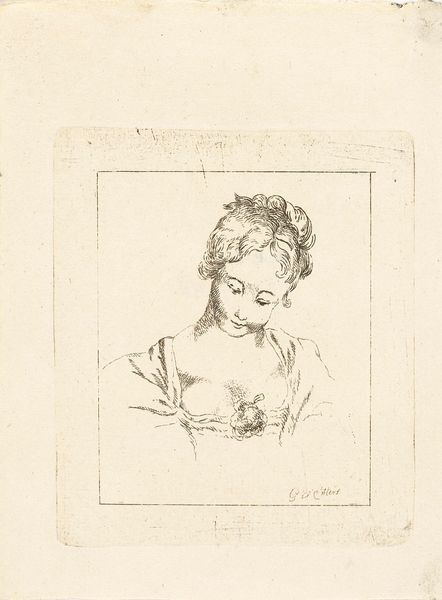
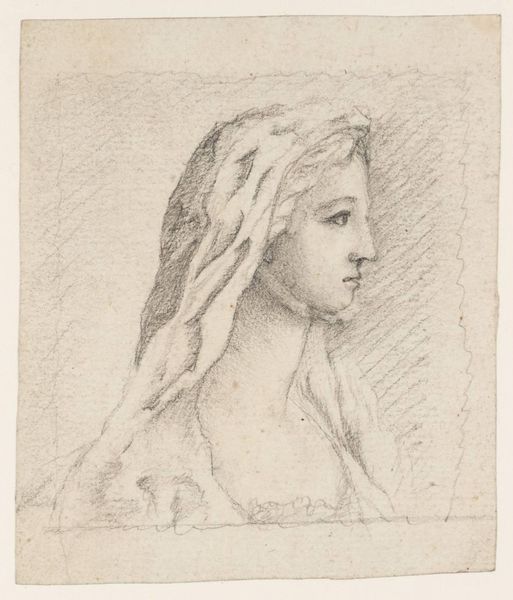
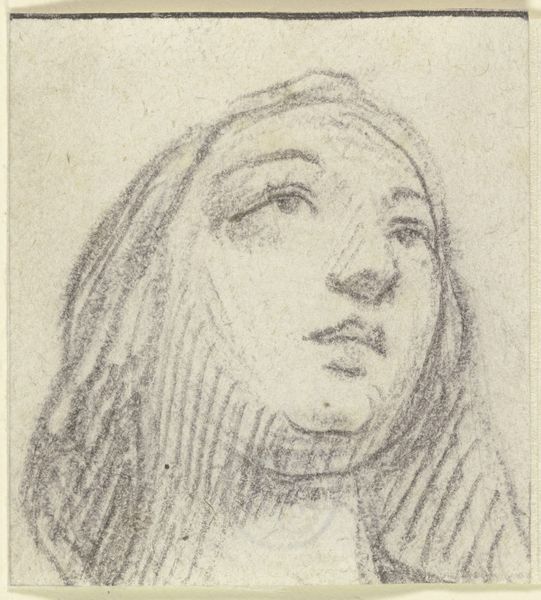
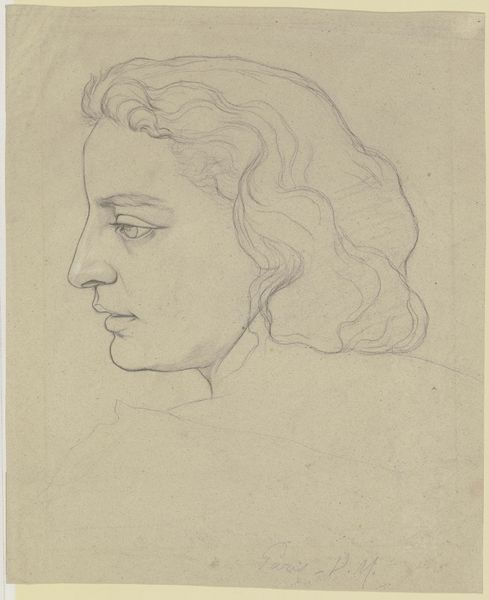
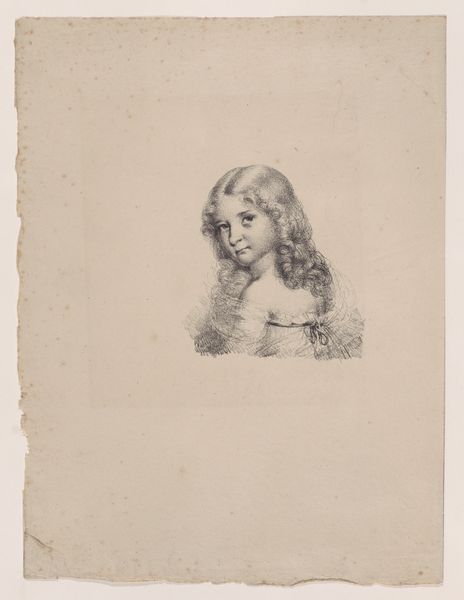
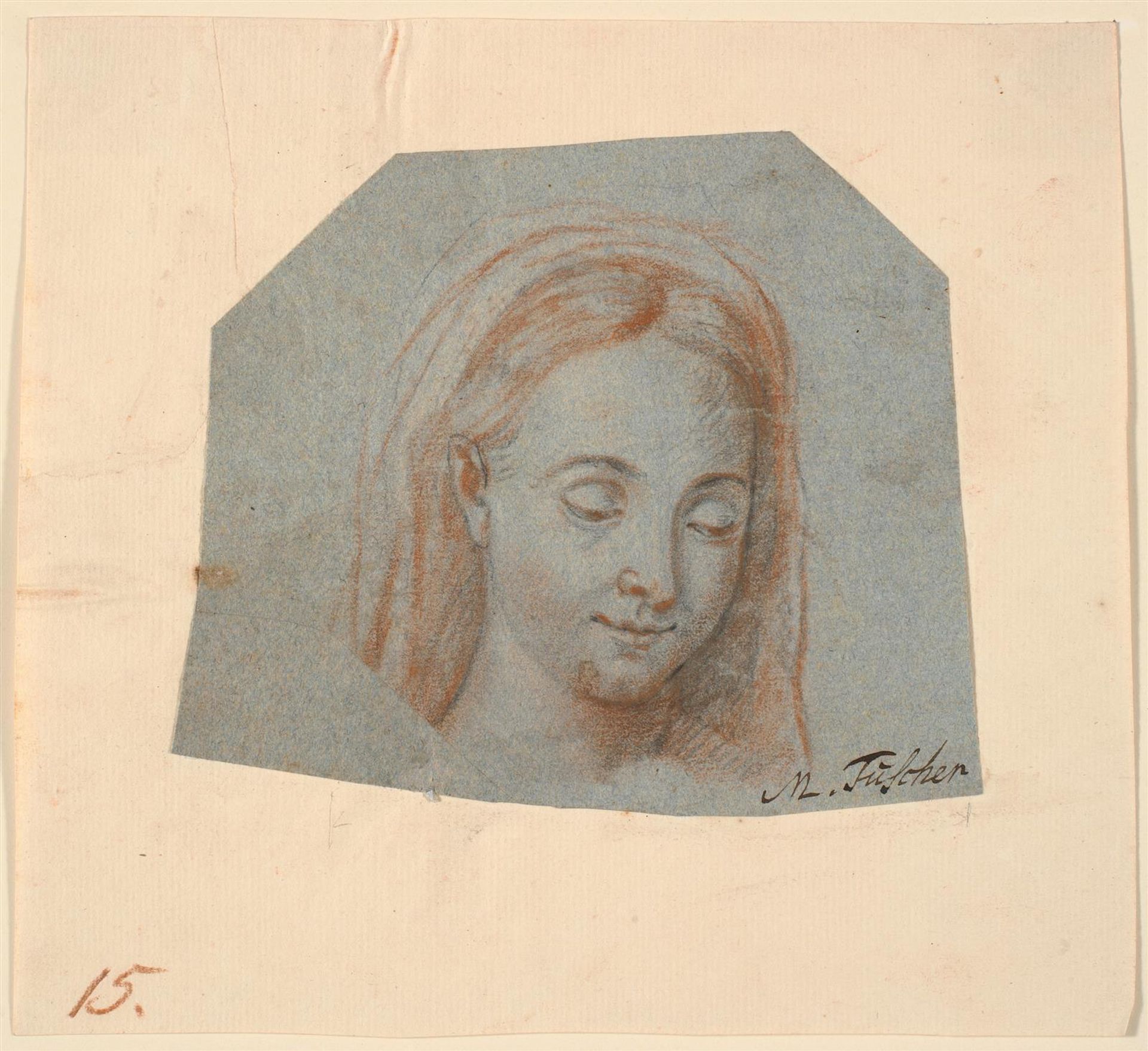
Marcus Tuscher rendered this portrait of Wahl’s youngest daughter with red chalk on blue paper in the 18th century. The girl’s lowered gaze, framed by flowing hair, evokes a sense of introspection and innocence. This motif—the averted eyes— carries a long history. Think of the ancient depictions of modest Venus, her eyes downcast to preserve her chastity, and recall that in the Middle Ages and Renaissance, the lowered gaze symbolized humility and piety, often seen in portraits of the Virgin Mary. The psychological weight of this gesture is immense, suggesting a retreat into an internal world, a space of contemplation or perhaps even suppressed emotion. It is a fascinating illustration of how gestures and symbols persist, echoing through time, continually reshaped by the collective psyche.
Portræt af Wahls yngste datter
1743 - 1751


Artwork details
- Medium
- drawing, paper, dry-media, pencil
- Dimensions
- 127 mm (height) x 150 mm (width) (bladmaal)
- Location
- SMK - Statens Museum for Kunst
Tags
Comments
Share your thoughts
About this artwork
Marcus Tuscher rendered this portrait of Wahl’s youngest daughter with red chalk on blue paper in the 18th century. The girl’s lowered gaze, framed by flowing hair, evokes a sense of introspection and innocence. This motif—the averted eyes— carries a long history. Think of the ancient depictions of modest Venus, her eyes downcast to preserve her chastity, and recall that in the Middle Ages and Renaissance, the lowered gaze symbolized humility and piety, often seen in portraits of the Virgin Mary. The psychological weight of this gesture is immense, suggesting a retreat into an internal world, a space of contemplation or perhaps even suppressed emotion. It is a fascinating illustration of how gestures and symbols persist, echoing through time, continually reshaped by the collective psyche.
Comments
Share your thoughts