About this artwork
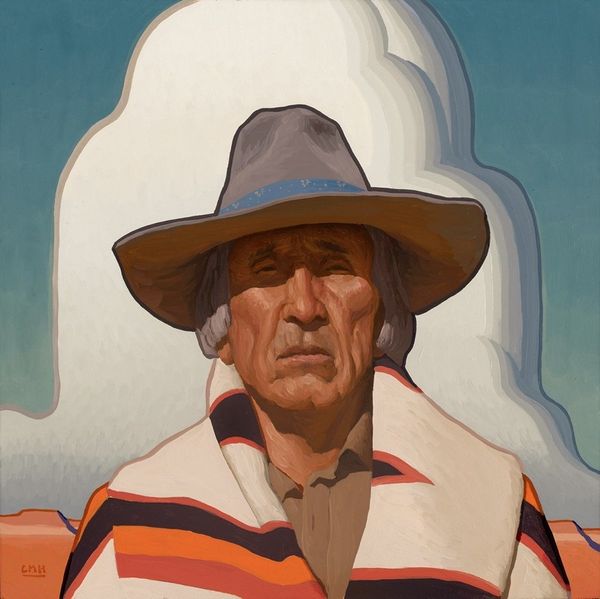
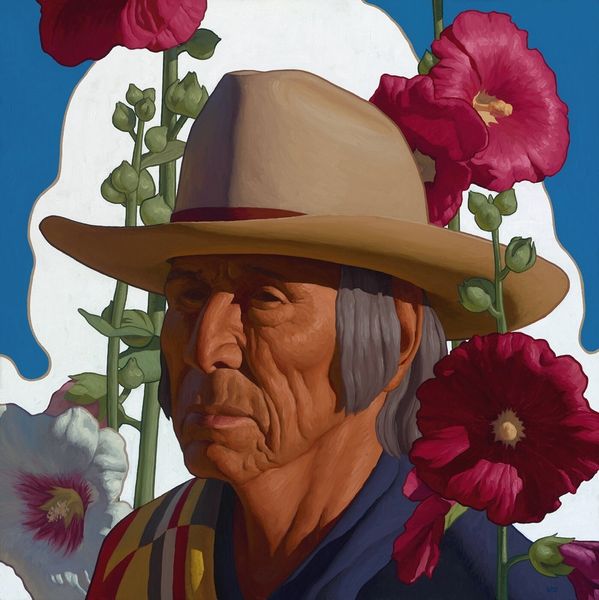
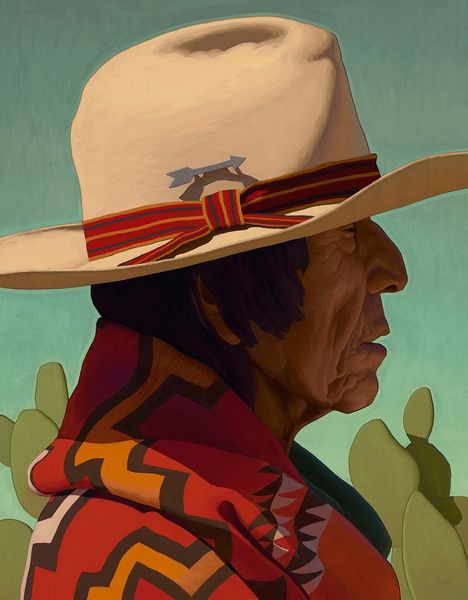
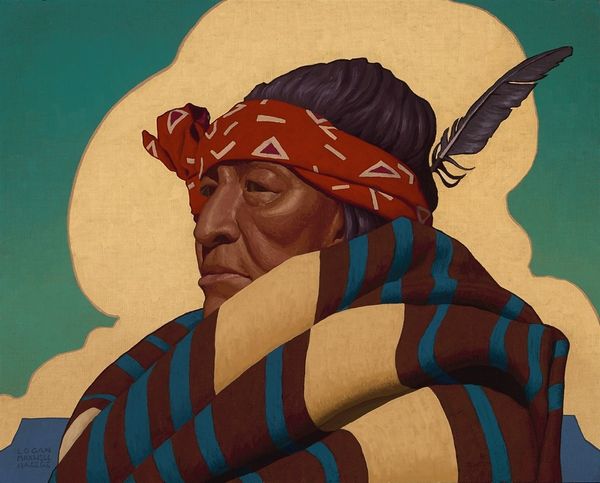
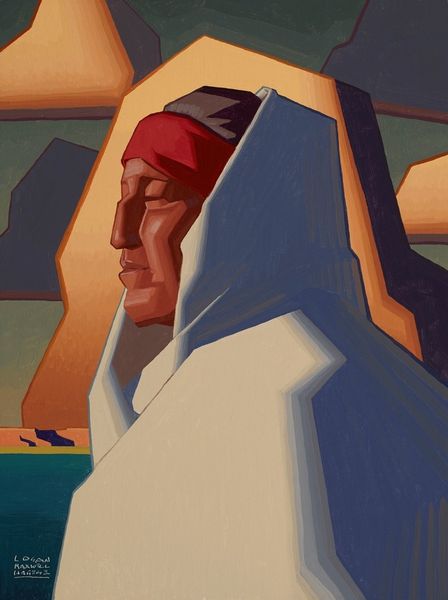
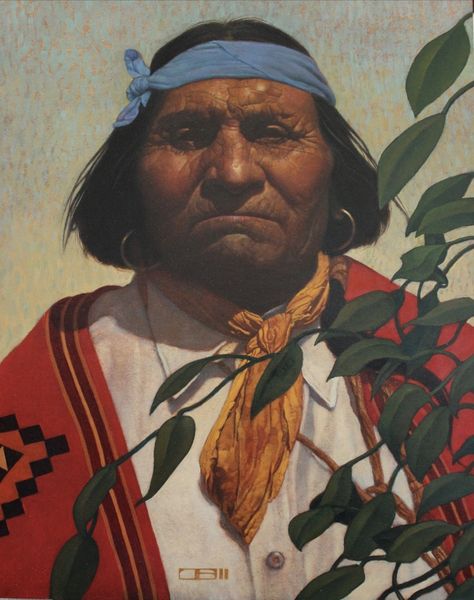
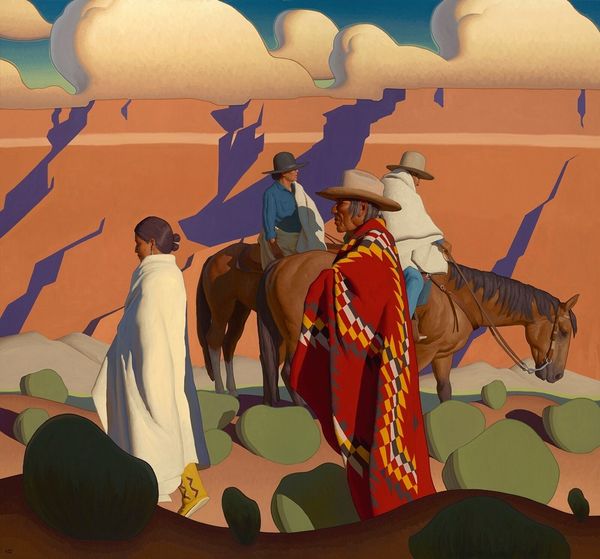
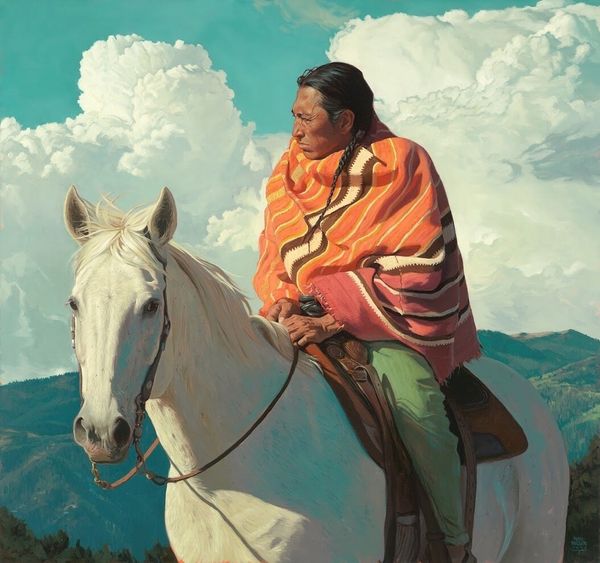
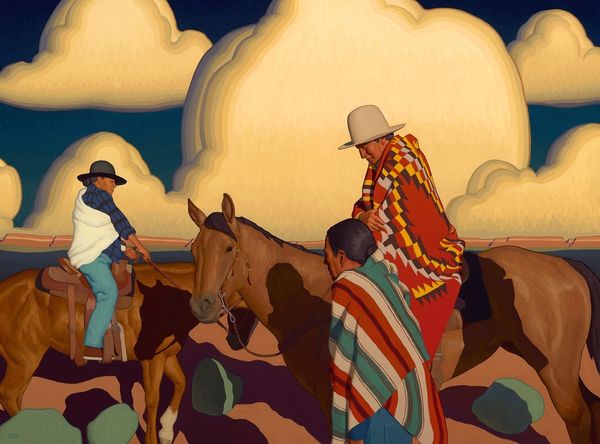
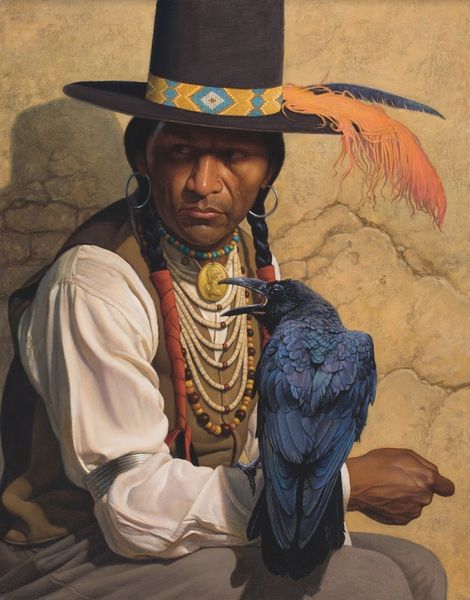
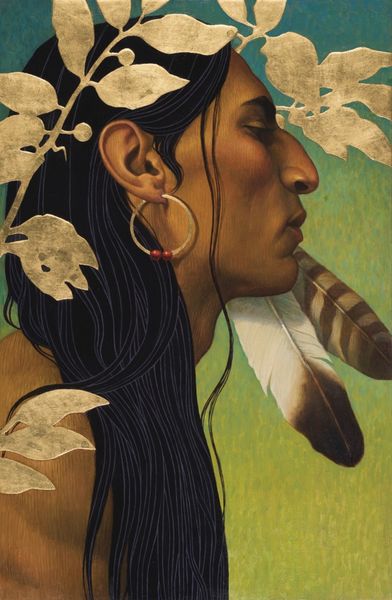
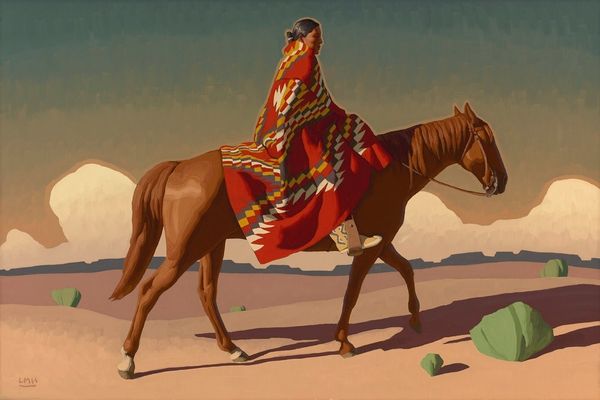
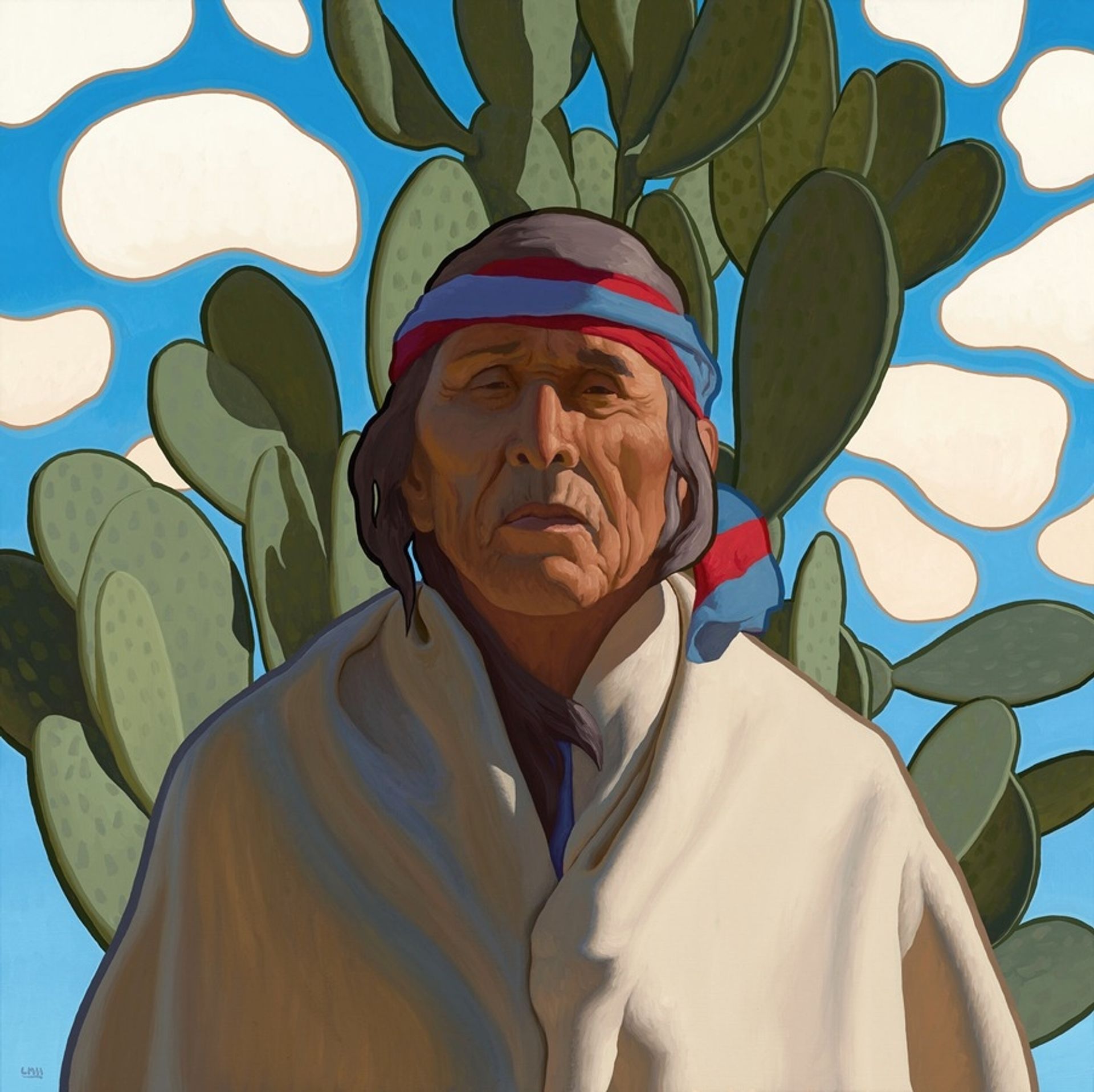
Logan Maxwell Hagege created this painting of an indigenous man and prickly pear cactus in the American Southwest, sometime after 1980. The image speaks to the fraught relationship between Native Americans and the institutions of Western art. The man is dignified but weathered. The cactus is both a symbol of resilience and a visual echo of the man's own weathered features. Hagege is working in a long tradition of Western artists depicting indigenous people, yet his style has a certain modern feel, particularly in the stylization of the clouds. We might ask: is this painting a celebration of Native American culture, or does it exoticize its subject for a Western audience? To understand it better, we might research the history of representations of Native Americans in art. What visual codes were used to signify indigeneity? What was the role of institutions like museums in shaping these representations? The history of art gives us the means to ask these questions.

Artwork details
- Medium
- painting, oil-paint
- Copyright
- Modern Artists: Artvee
Tags
Comments
Share your thoughts
About this artwork
Logan Maxwell Hagege created this painting of an indigenous man and prickly pear cactus in the American Southwest, sometime after 1980. The image speaks to the fraught relationship between Native Americans and the institutions of Western art. The man is dignified but weathered. The cactus is both a symbol of resilience and a visual echo of the man's own weathered features. Hagege is working in a long tradition of Western artists depicting indigenous people, yet his style has a certain modern feel, particularly in the stylization of the clouds. We might ask: is this painting a celebration of Native American culture, or does it exoticize its subject for a Western audience? To understand it better, we might research the history of representations of Native Americans in art. What visual codes were used to signify indigeneity? What was the role of institutions like museums in shaping these representations? The history of art gives us the means to ask these questions.
Comments
Share your thoughts