About this artwork
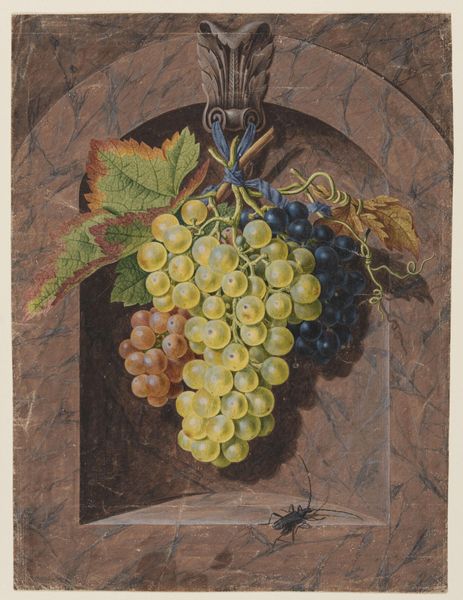
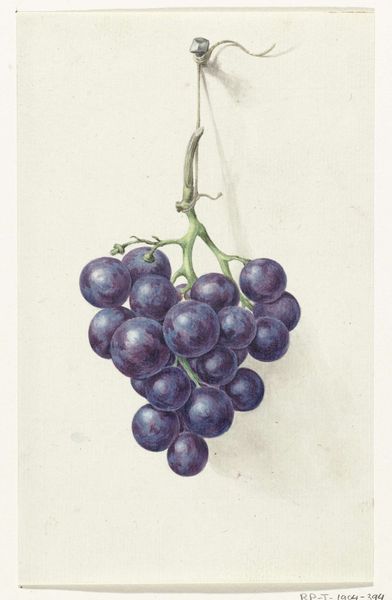
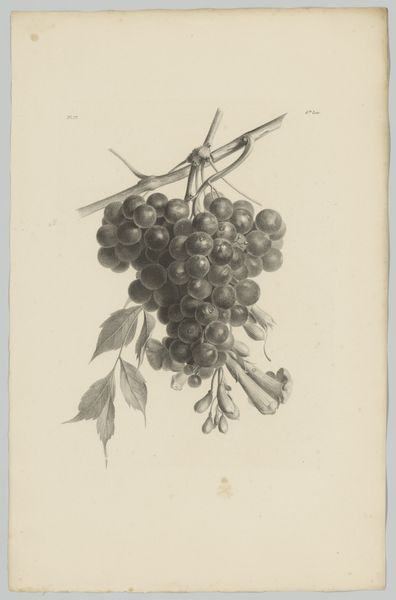
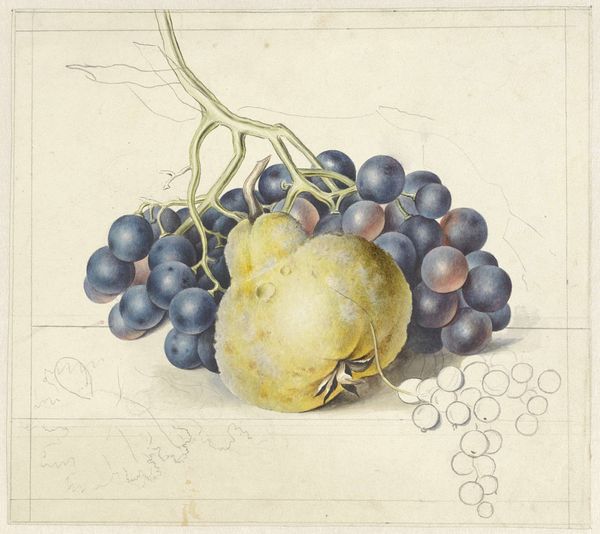
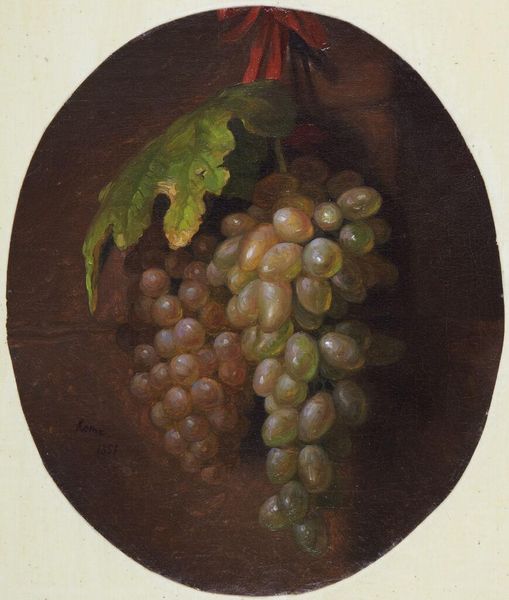
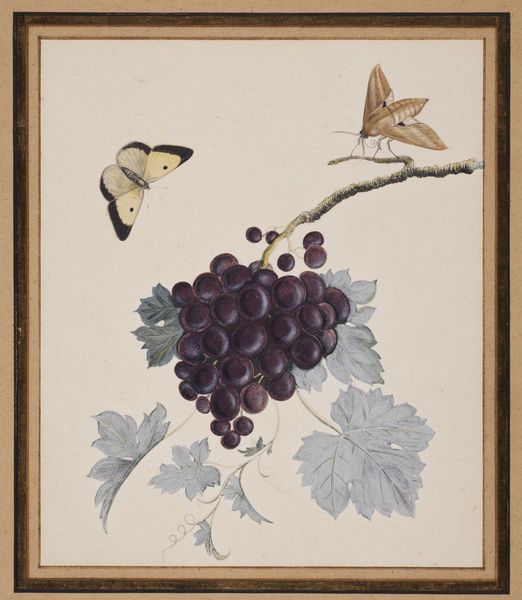
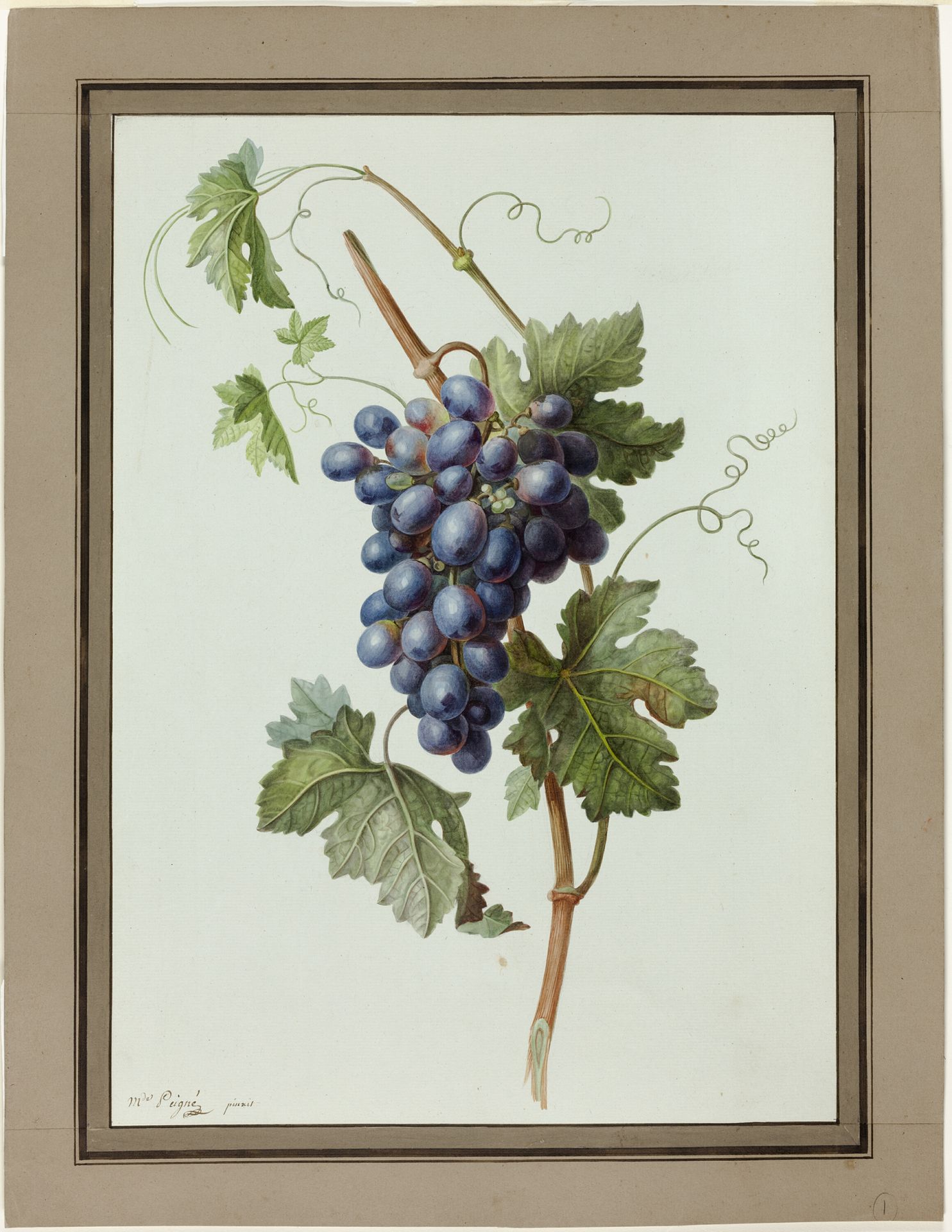
This is Mme. Peigné’s "Study of a Bunch of Grapes", made with watercolor, graphite, and opaque watercolor, now housed at the Art Institute of Chicago. Grapes, like those rendered here, are symbols of abundance and fertility that reach back to antiquity. But there is a heavier symbolism to consider. In Christian iconography, grapes represent the blood of Christ and the Eucharist, signifying sacrifice and redemption. We see echoes of this in earlier works such as the Roman mosaic of Bacchus, the god of wine, or later in Caravaggio’s depictions of the same figure, where grapes signify both earthly pleasure and divine promise. This duality persists through the ages, informing our collective psyche. The act of painting fruit is a powerful force, engaging viewers on a deep, subconscious level. It speaks to primal urges, of nurture and the harvest. Through Peigné’s delicate brushstrokes, these grapes are forever ripe with meaning.
Study of a Bunch of Grapes
1790 - 1810


Artwork details
- Medium
- drawing, print, paper, chalk
- Dimensions
- 509 × 393 mm
- Location
- The Art Institute of Chicago
- Copyright
- Public Domain
Tags
Comments
Share your thoughts
About this artwork
This is Mme. Peigné’s "Study of a Bunch of Grapes", made with watercolor, graphite, and opaque watercolor, now housed at the Art Institute of Chicago. Grapes, like those rendered here, are symbols of abundance and fertility that reach back to antiquity. But there is a heavier symbolism to consider. In Christian iconography, grapes represent the blood of Christ and the Eucharist, signifying sacrifice and redemption. We see echoes of this in earlier works such as the Roman mosaic of Bacchus, the god of wine, or later in Caravaggio’s depictions of the same figure, where grapes signify both earthly pleasure and divine promise. This duality persists through the ages, informing our collective psyche. The act of painting fruit is a powerful force, engaging viewers on a deep, subconscious level. It speaks to primal urges, of nurture and the harvest. Through Peigné’s delicate brushstrokes, these grapes are forever ripe with meaning.
Comments
Share your thoughts