About this artwork
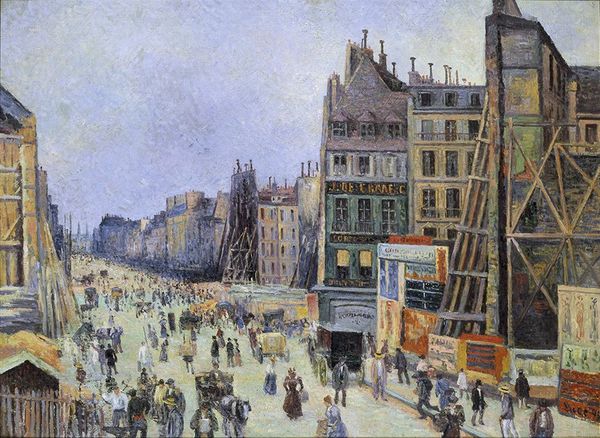
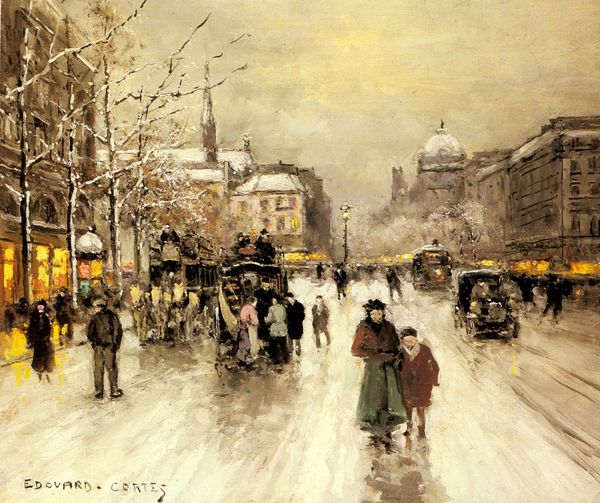
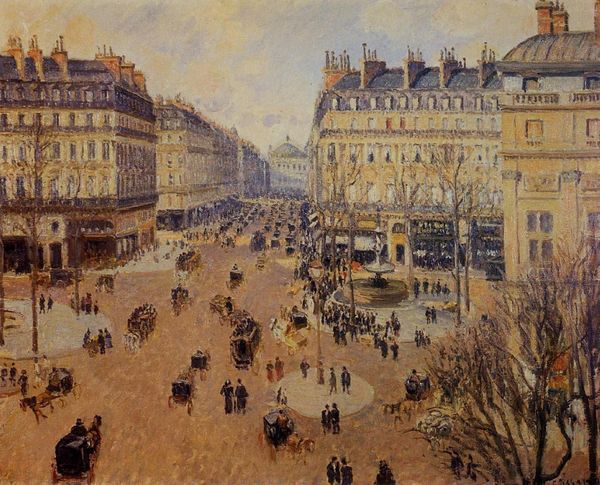
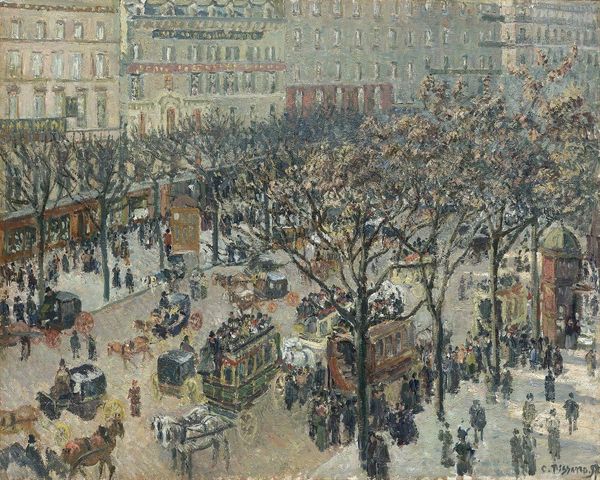
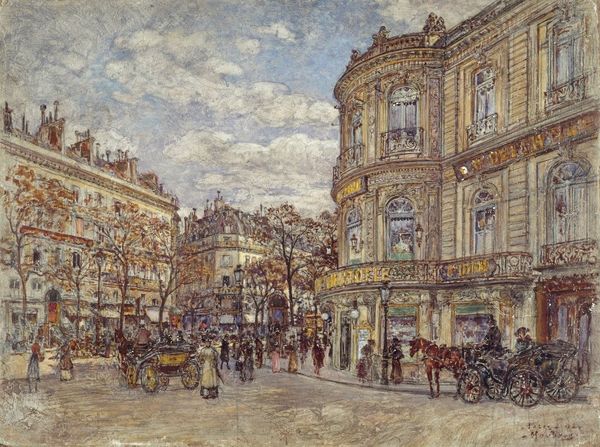
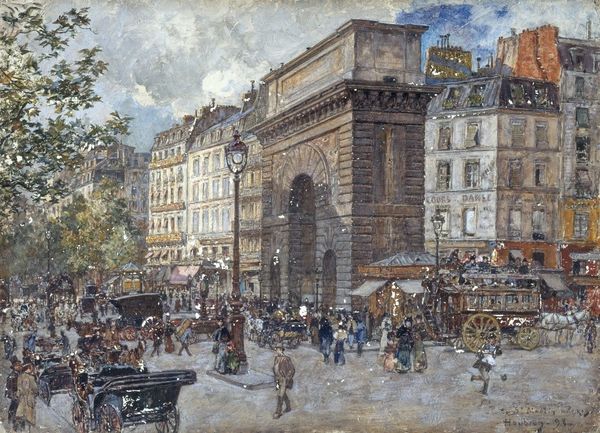
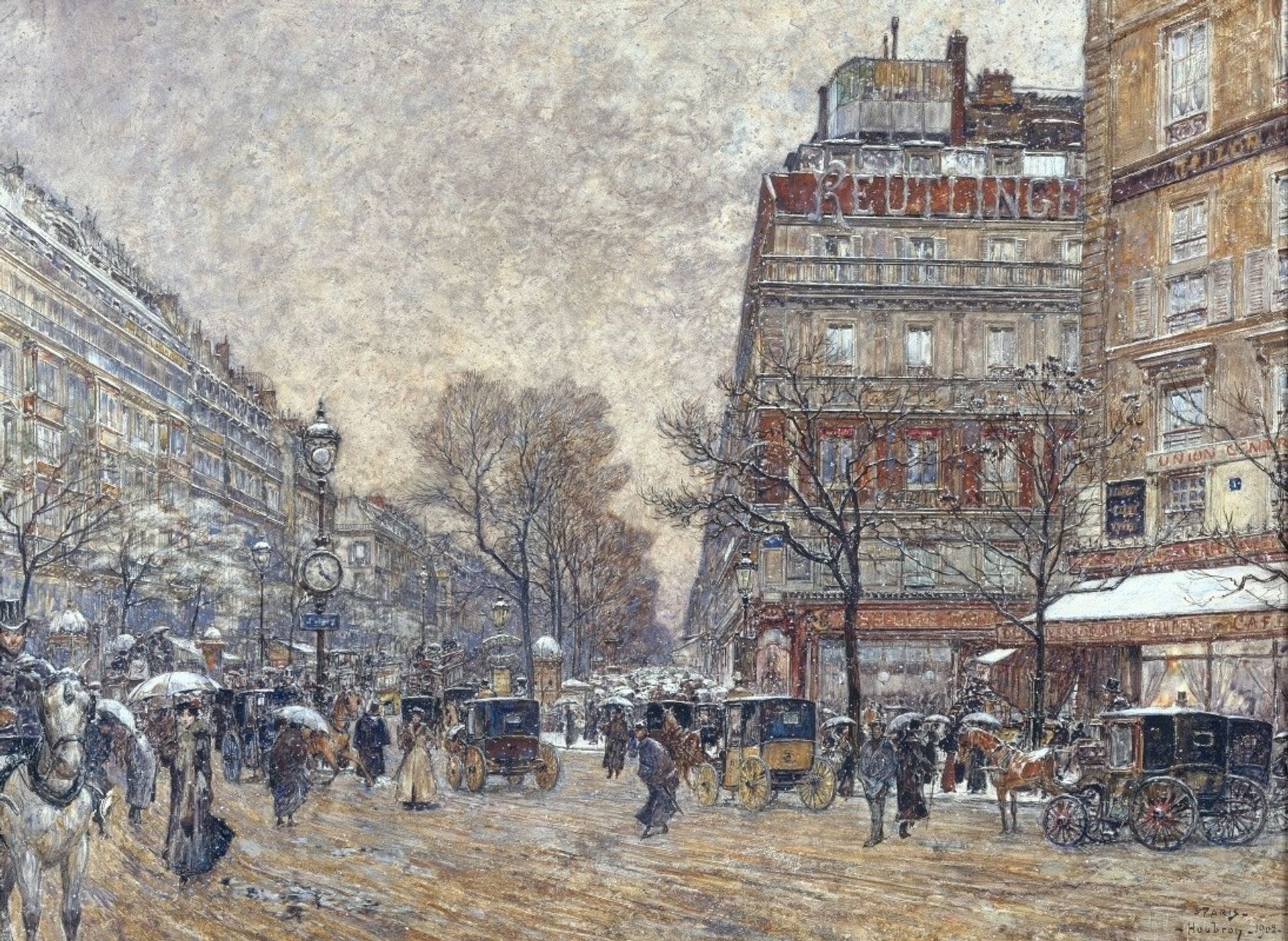
Frédéric Houbron made this oil painting titled "Le carrefour Richelieu-Drouot" to depict a Parisien intersection in the winter. In its overall aesthetic, the painting adheres to the impressionist style. By the late 19th century, Paris's boulevards had become potent symbols of modernity and social life. Houbron represents these spaces as busy with people, horse-drawn carriages, and the hustle of urban existence. But this piece isn't just a snapshot of a moment in time. It reflects the social and economic changes sweeping through France, the rise of a consumer culture, and the transformation of Paris into a global metropolis. To fully appreciate this work, we can delve into historical archives, newspapers, and other visual materials from the era to better understand the world Houbron was capturing. Ultimately, our understanding of this painting is deeply rooted in its historical and institutional context.

Artwork details
- Copyright
- Public Domain: Artvee
Comments
Share your thoughts
About this artwork
Frédéric Houbron made this oil painting titled "Le carrefour Richelieu-Drouot" to depict a Parisien intersection in the winter. In its overall aesthetic, the painting adheres to the impressionist style. By the late 19th century, Paris's boulevards had become potent symbols of modernity and social life. Houbron represents these spaces as busy with people, horse-drawn carriages, and the hustle of urban existence. But this piece isn't just a snapshot of a moment in time. It reflects the social and economic changes sweeping through France, the rise of a consumer culture, and the transformation of Paris into a global metropolis. To fully appreciate this work, we can delve into historical archives, newspapers, and other visual materials from the era to better understand the world Houbron was capturing. Ultimately, our understanding of this painting is deeply rooted in its historical and institutional context.
Comments
Share your thoughts