c. 1861 - 1890
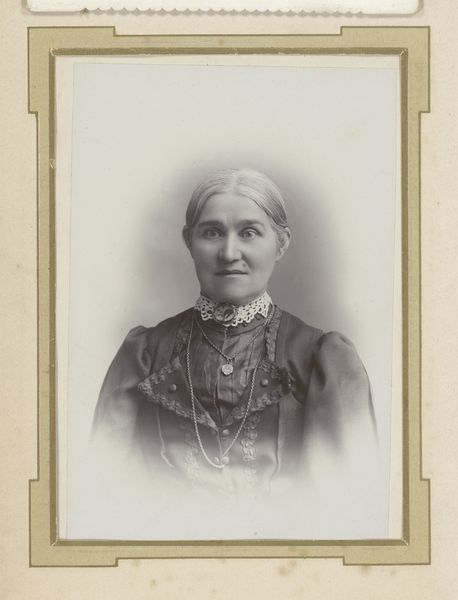
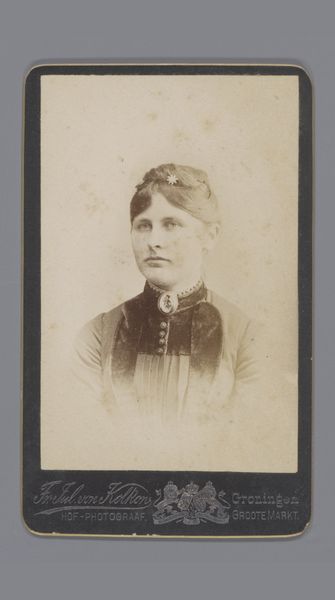
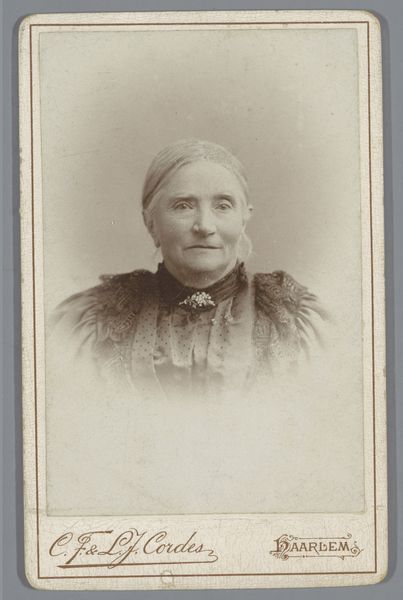
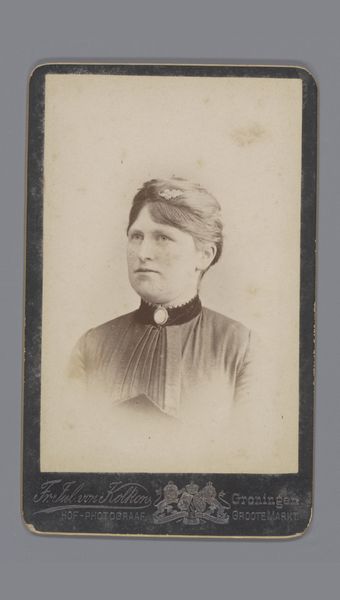
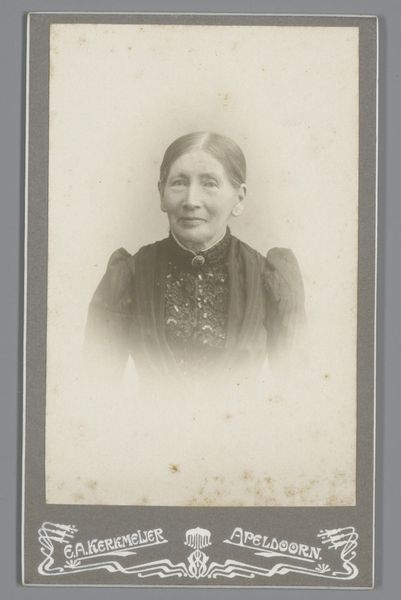
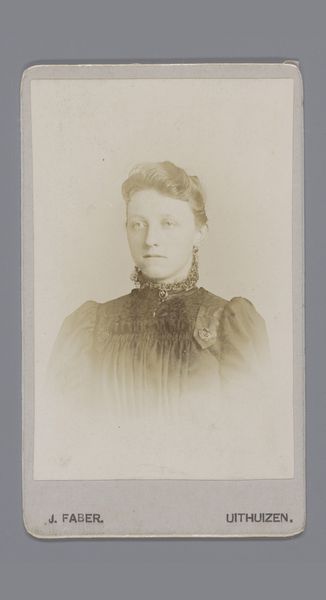
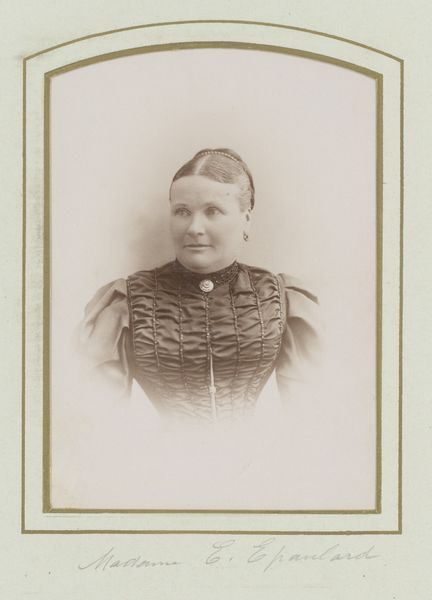
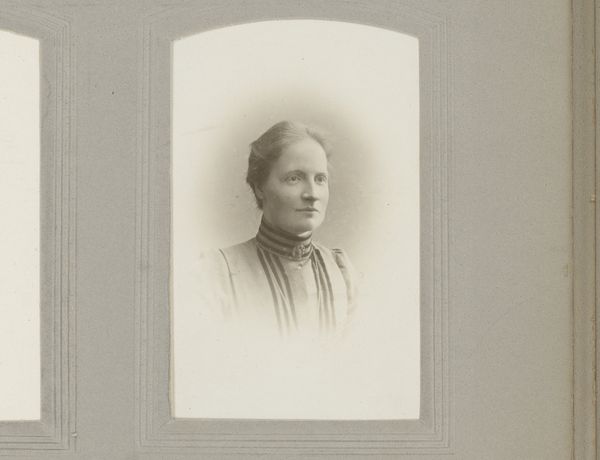
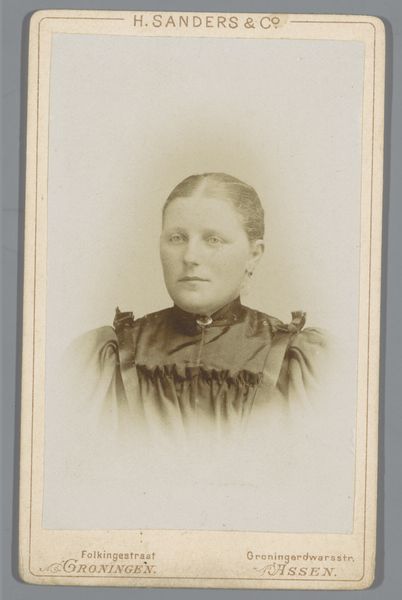
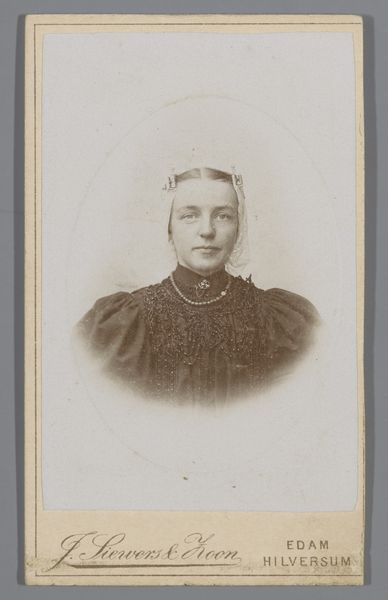
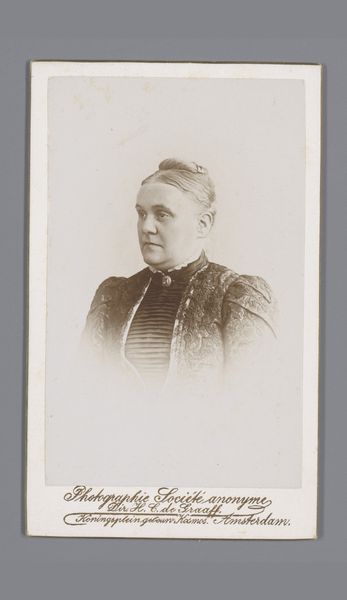
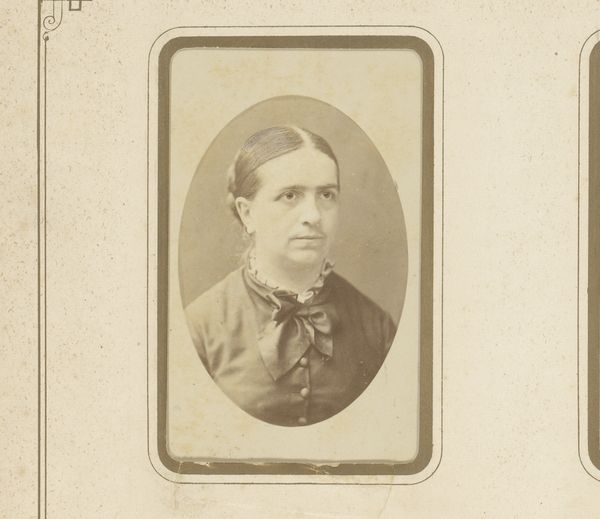
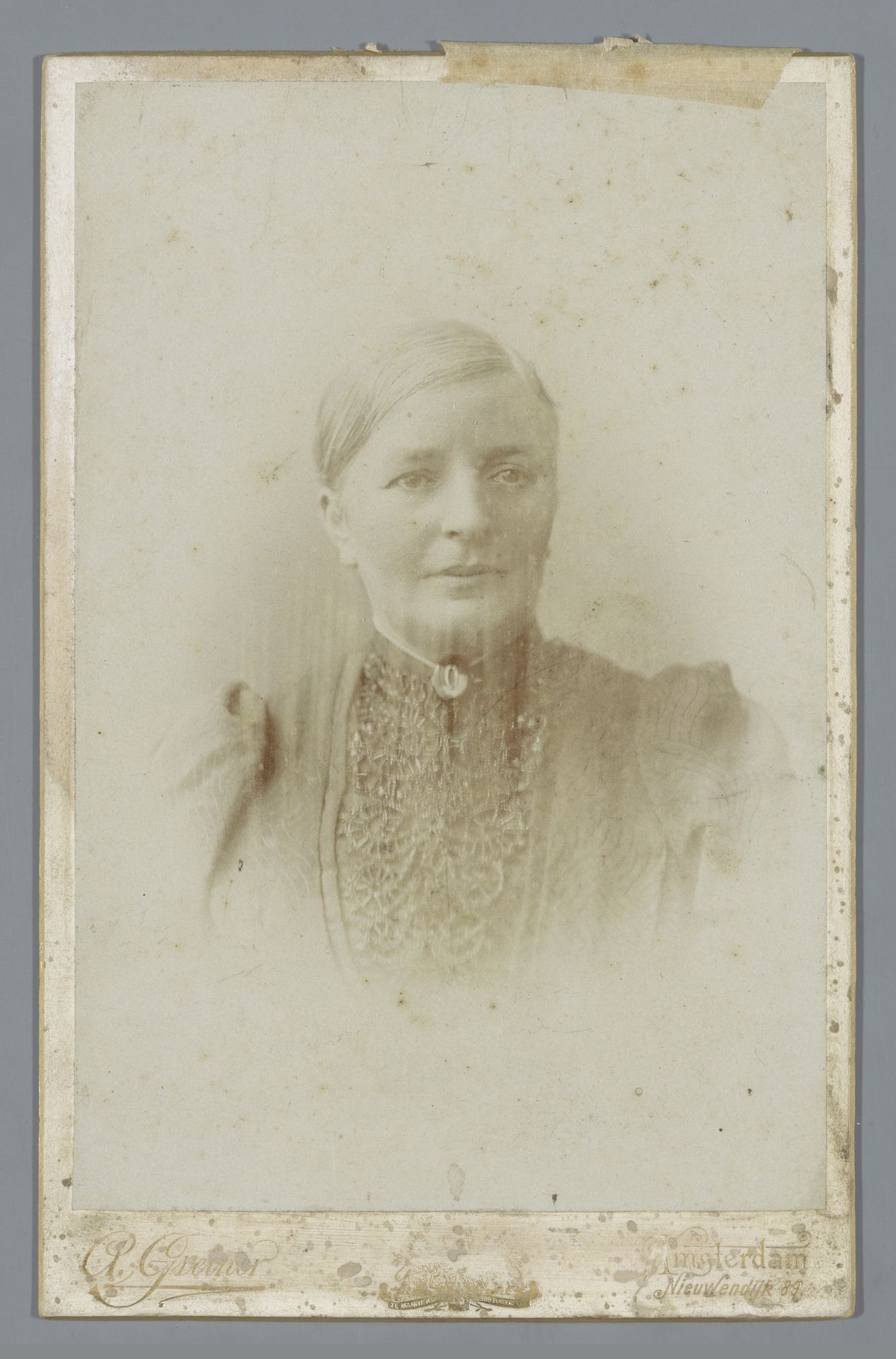
Portret van een onbekende vrouw

Albert Greiner
1833 - 1890Location
RijksmuseumListen to curator's interpretation
Curatorial notes
Albert Greiner made this portrait of an unknown woman sometime in the mid-19th century, using photography. In this period, the wet collodion process was typical. This involved coating a glass plate with chemicals, exposing it in the camera while still wet, and then developing it immediately. The resulting image, printed on paper, has a soft, almost ethereal quality due to the process's inherent limitations and the era’s aesthetic preferences. The laborious procedure required a deep understanding of chemistry and optics, placing the photographer somewhere between scientist and craftsman. In the context of labor, consider the time and skill involved, not just in taking the photograph, but also in the preparation and development. While photography democratized portraiture, making it more accessible than painting, it still represented a significant investment for the sitter and the photographer alike. The rise of photography studios also created new forms of labor, impacting social dynamics and visual culture in profound ways. Considering photography as a craft helps us appreciate its complex history and the labor involved in its making.