About this artwork
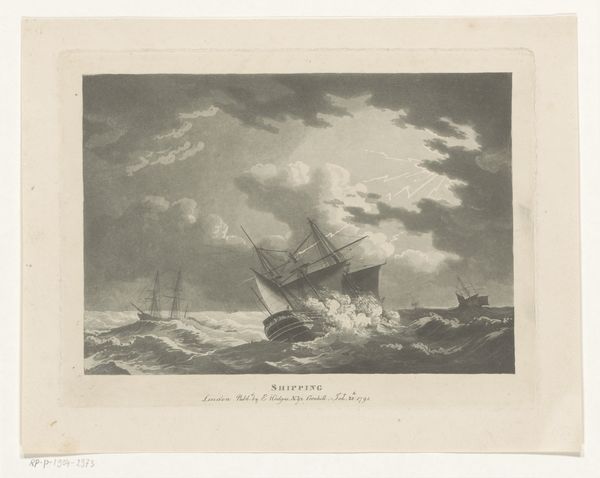
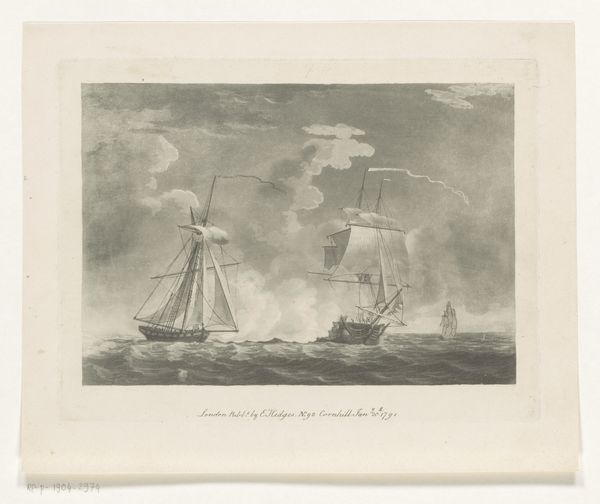
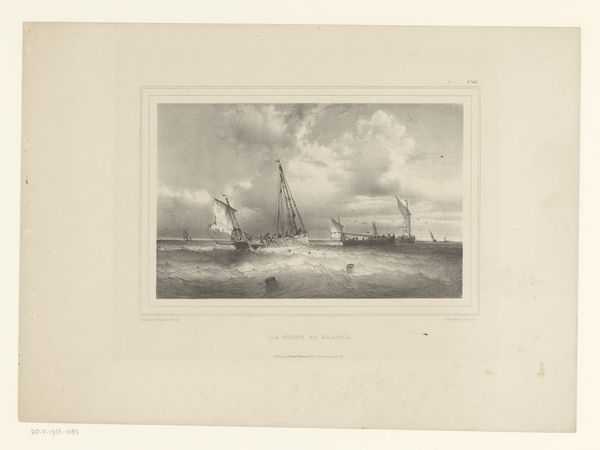
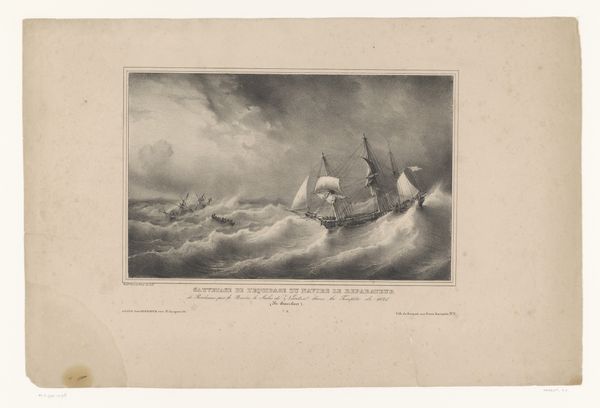
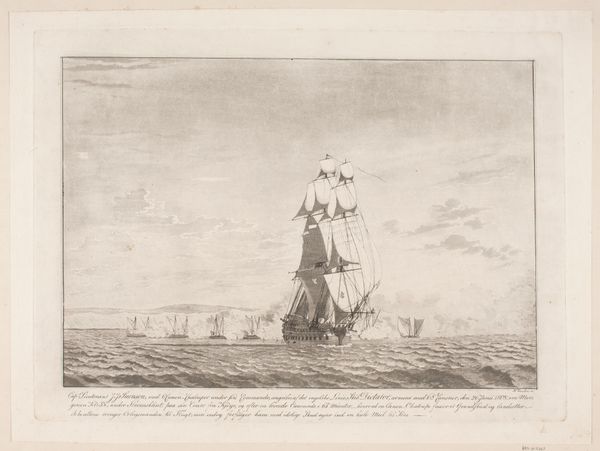
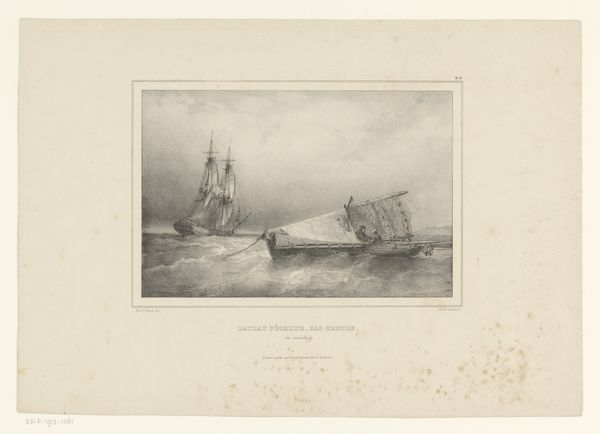
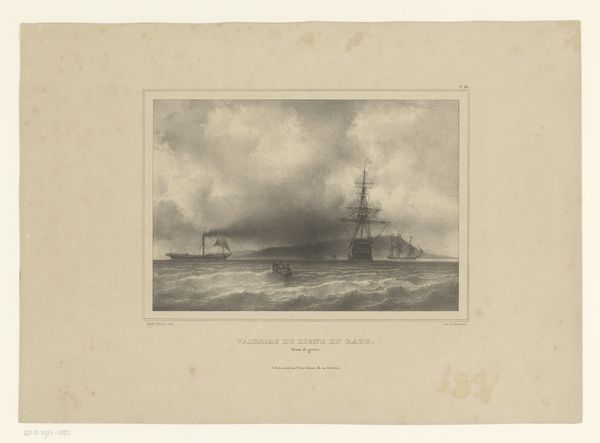
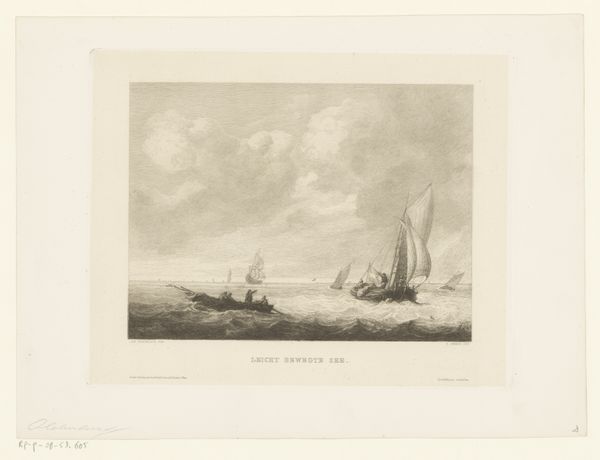
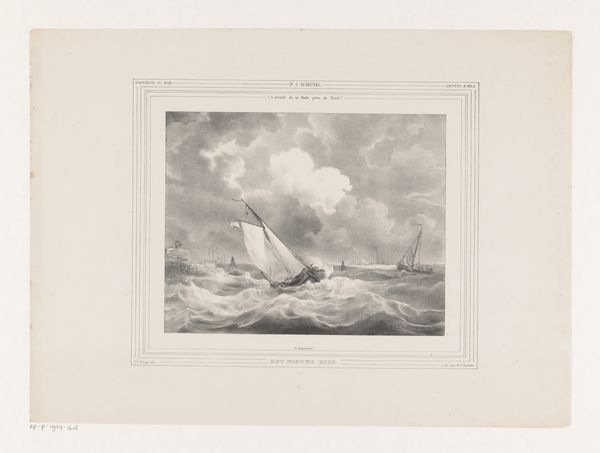
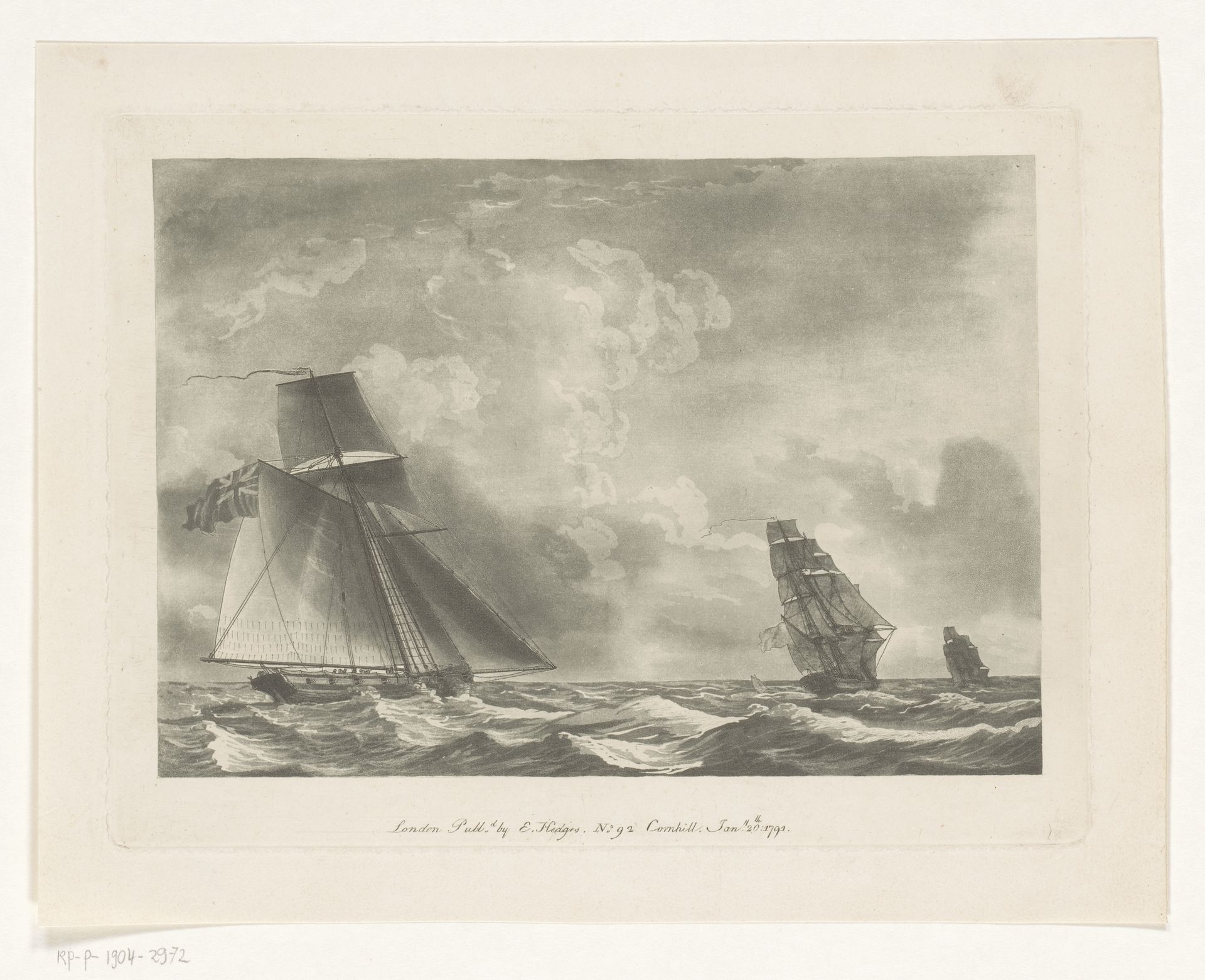
This print depicts a British fleet at sea and was made in 1799 by Edward Hedges. Note the prominent display of the British flag, a symbol of power and dominion over the seas. The flag extends beyond its immediate representation to become a potent signifier of national identity, economic ambitions and military prowess. Consider the ancient Roman vexillum, also a flag-like standard representing military units or the emperor, embodying similar notions of authority and control. This symbol has been replicated across time and culture, from medieval banners to modern-day national flags, each carrying a weight of historical and cultural memory. The sea itself, often a metaphor for the unconscious, adds to the emotional depth of this image. The ships battle not just the elements but also the darker, untamed aspects of the human psyche, projecting a sense of heroic struggle and the sublime. Thus, the cyclical journey of symbols is revealed, a perpetual return of archetypes that bind us to our collective past, shaping our present understanding of power, identity, and the human spirit.

Artwork details
- Medium
- print, engraving
- Dimensions
- height 184 mm, width 250 mm
- Copyright
- Rijks Museum: Open Domain
Tags
Comments
Share your thoughts
About this artwork
This print depicts a British fleet at sea and was made in 1799 by Edward Hedges. Note the prominent display of the British flag, a symbol of power and dominion over the seas. The flag extends beyond its immediate representation to become a potent signifier of national identity, economic ambitions and military prowess. Consider the ancient Roman vexillum, also a flag-like standard representing military units or the emperor, embodying similar notions of authority and control. This symbol has been replicated across time and culture, from medieval banners to modern-day national flags, each carrying a weight of historical and cultural memory. The sea itself, often a metaphor for the unconscious, adds to the emotional depth of this image. The ships battle not just the elements but also the darker, untamed aspects of the human psyche, projecting a sense of heroic struggle and the sublime. Thus, the cyclical journey of symbols is revealed, a perpetual return of archetypes that bind us to our collective past, shaping our present understanding of power, identity, and the human spirit.
Comments
Share your thoughts