About this artwork
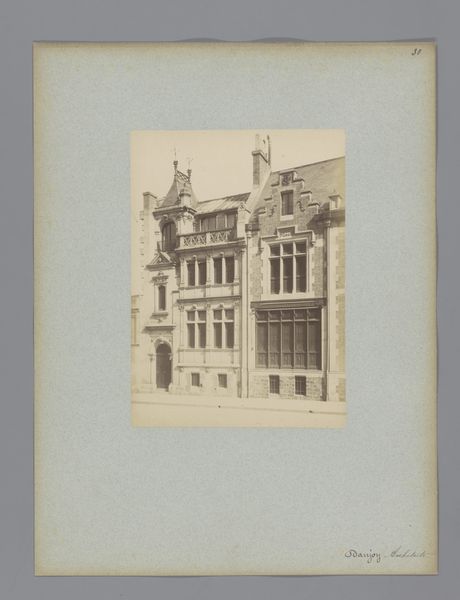
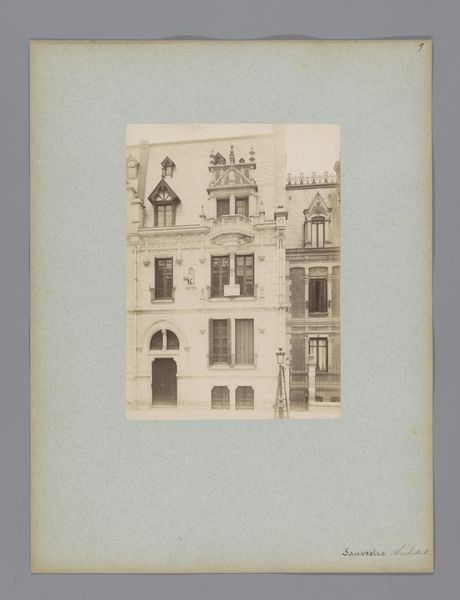
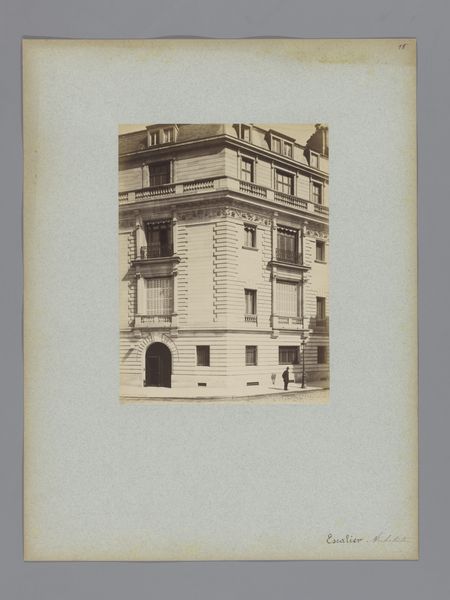
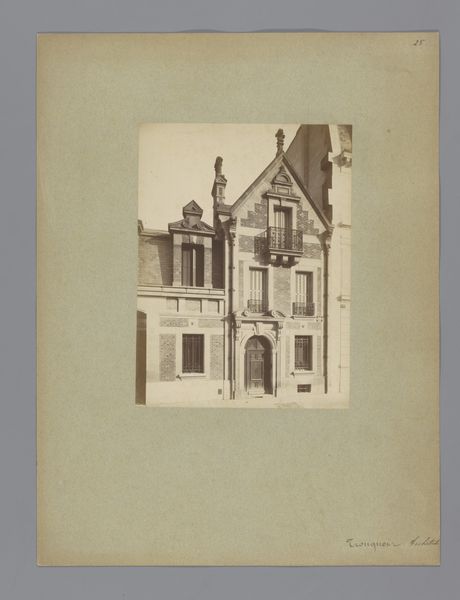
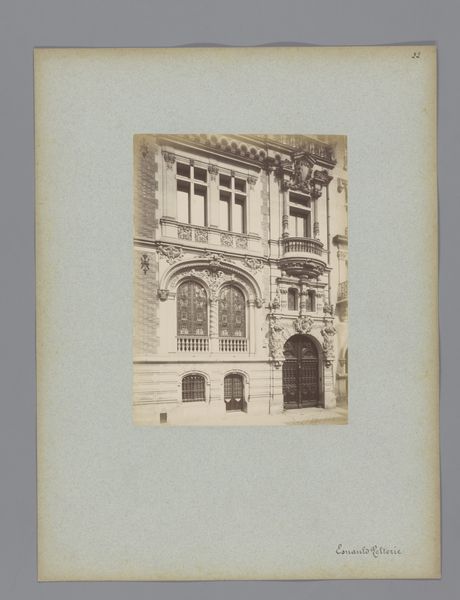
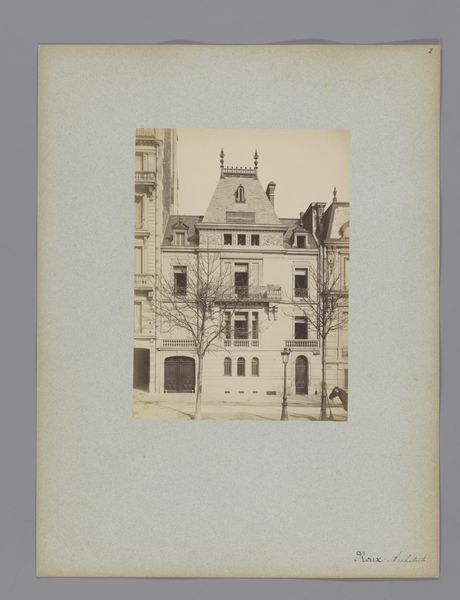
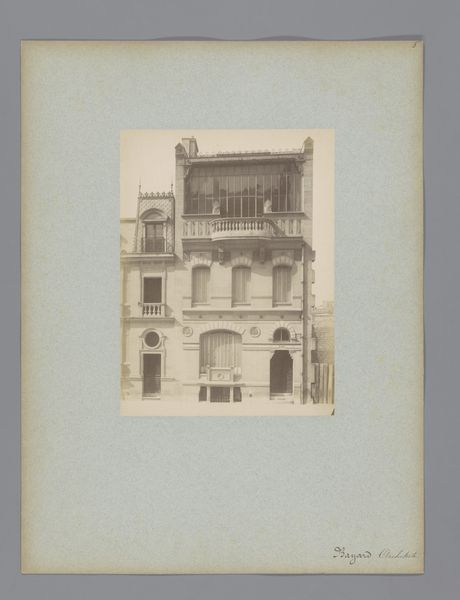
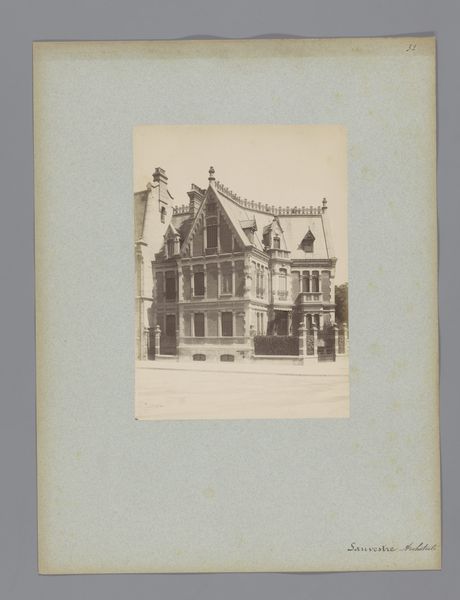
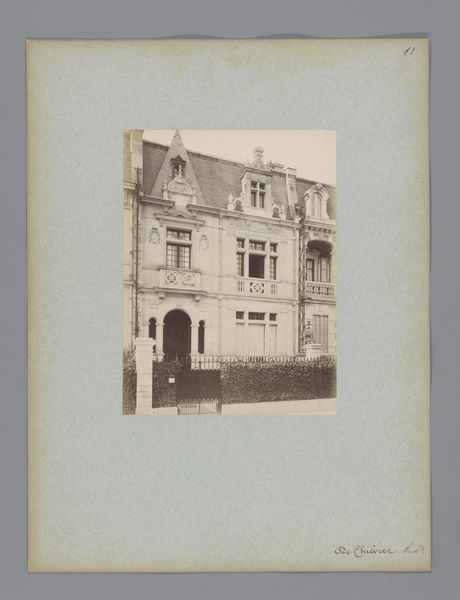
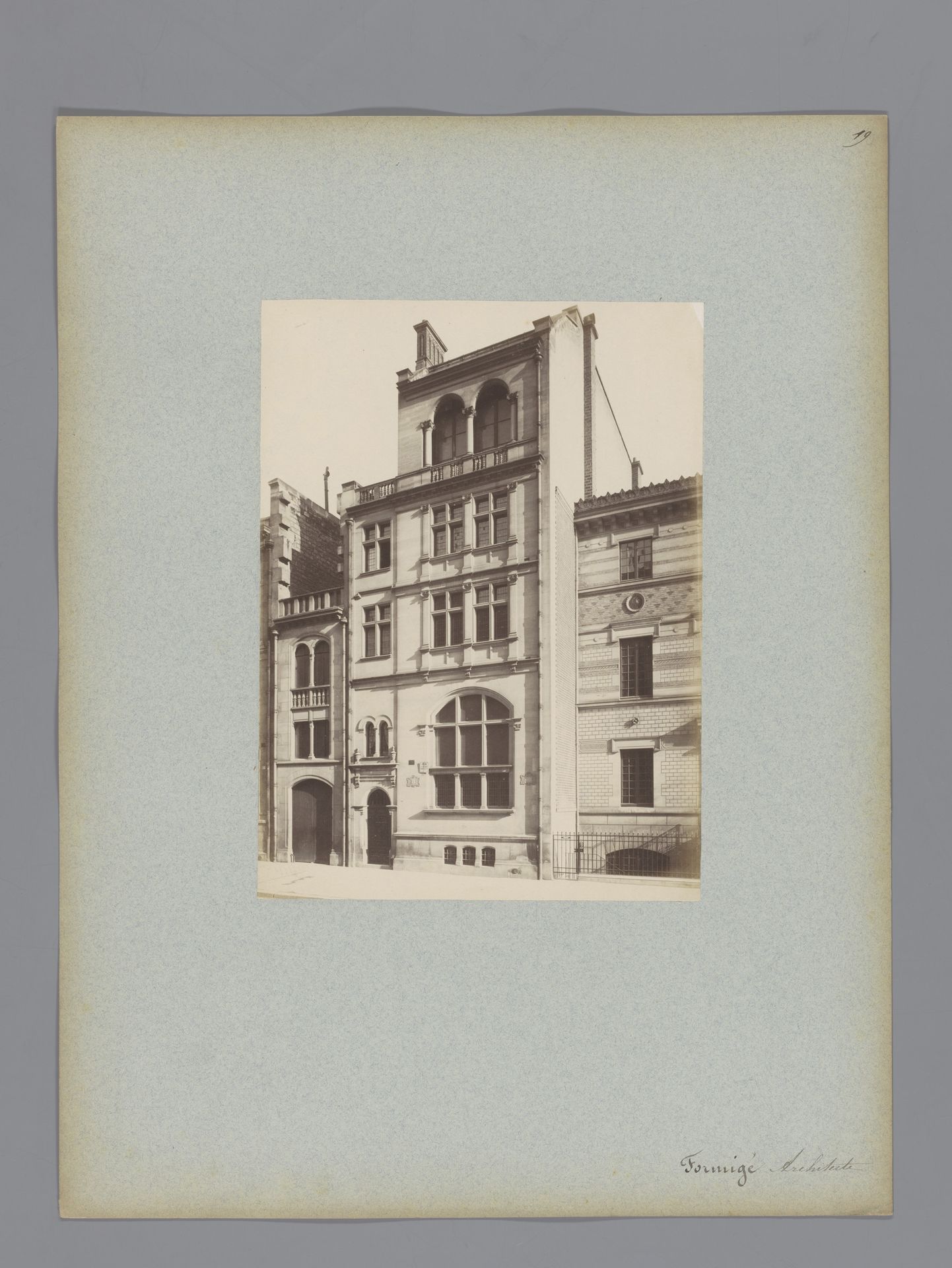
Editor: Here we have an early photograph, likely from before 1880, titled "Facade of a Building in Paris, Designed by Jean Camille Formigé". It presents a rather somber, yet strikingly detailed building. What historical context can you offer for a photograph like this? Curator: This image speaks volumes about the rise of Paris as a modern capital. Prior to 1880, Paris was undergoing massive transformations, orchestrated by Haussmann. This photograph likely functions as a document of the architectural innovations happening at the time. Consider the emerging professionalization of architecture. Was this commissioned by Formigé himself or a government entity perhaps showcasing new design? It also prompts the question of intended audience: architects, urban planners, or the general public, keen to witness their city's renewal? Editor: So it's less about artistic expression and more about urban documentation and promotion? Curator: Not necessarily. Early photography occupied a unique space – seen as both a tool for objective recording and capable of artistic interpretation. The framing, the play of light and shadow – even the choice to focus on this particular building - might reflect aesthetic choices beyond pure documentation. Consider too, how photography enabled wider distribution and access to architectural design, shaping public taste and expectations for urban living. Who gets to decide what is beautiful? Editor: I never considered how something like architectural photography could shape the collective imagination of a city! It adds a completely different dimension. Curator: Exactly. By understanding its role in shaping perceptions and influencing public discourse, we see how it contributed to a particular vision of Parisian modernity. Editor: This photograph, initially appearing straightforward, now seems incredibly layered in terms of cultural and political context. Thanks!
Façade van een gebouw in Parijs, ontworpen door Jean Camille Formigé
before 1880

Artwork details
- Medium
- print, photography
- Dimensions
- height 224 mm, width 165 mm
- Copyright
- Rijks Museum: Open Domain
Tags
Comments
Share your thoughts
About this artwork
Editor: Here we have an early photograph, likely from before 1880, titled "Facade of a Building in Paris, Designed by Jean Camille Formigé". It presents a rather somber, yet strikingly detailed building. What historical context can you offer for a photograph like this? Curator: This image speaks volumes about the rise of Paris as a modern capital. Prior to 1880, Paris was undergoing massive transformations, orchestrated by Haussmann. This photograph likely functions as a document of the architectural innovations happening at the time. Consider the emerging professionalization of architecture. Was this commissioned by Formigé himself or a government entity perhaps showcasing new design? It also prompts the question of intended audience: architects, urban planners, or the general public, keen to witness their city's renewal? Editor: So it's less about artistic expression and more about urban documentation and promotion? Curator: Not necessarily. Early photography occupied a unique space – seen as both a tool for objective recording and capable of artistic interpretation. The framing, the play of light and shadow – even the choice to focus on this particular building - might reflect aesthetic choices beyond pure documentation. Consider too, how photography enabled wider distribution and access to architectural design, shaping public taste and expectations for urban living. Who gets to decide what is beautiful? Editor: I never considered how something like architectural photography could shape the collective imagination of a city! It adds a completely different dimension. Curator: Exactly. By understanding its role in shaping perceptions and influencing public discourse, we see how it contributed to a particular vision of Parisian modernity. Editor: This photograph, initially appearing straightforward, now seems incredibly layered in terms of cultural and political context. Thanks!
Comments
Share your thoughts