c. 19th century
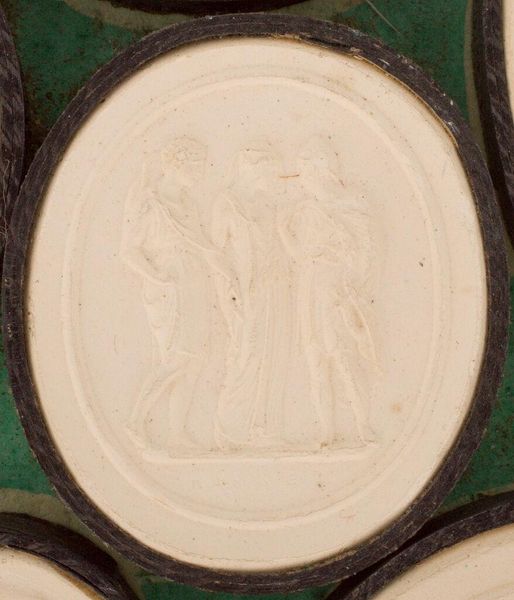
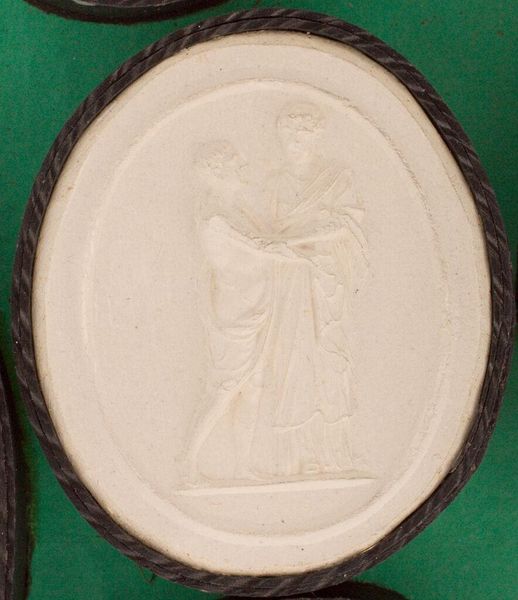
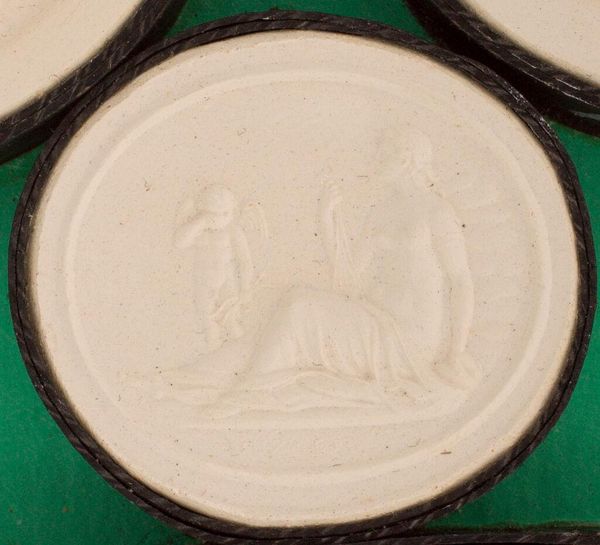
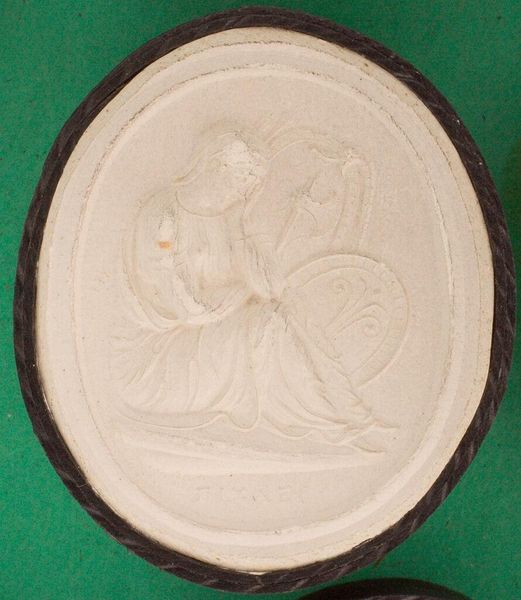
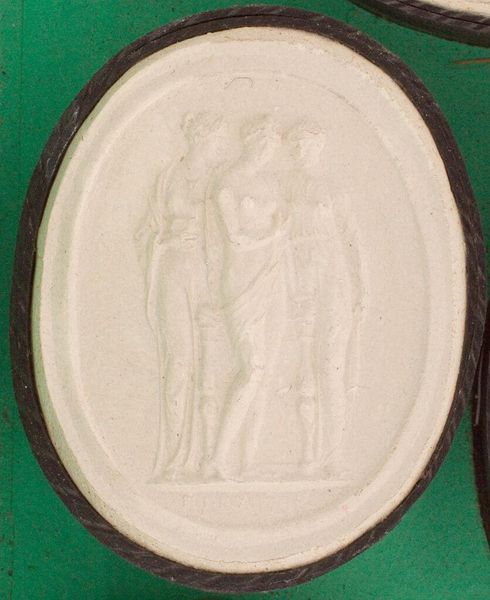
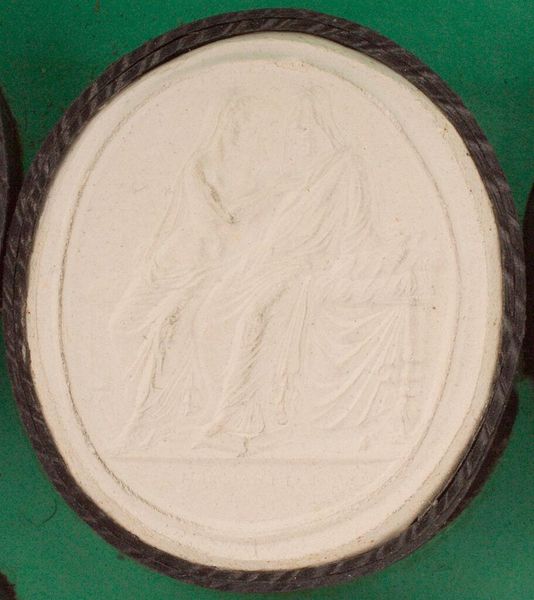
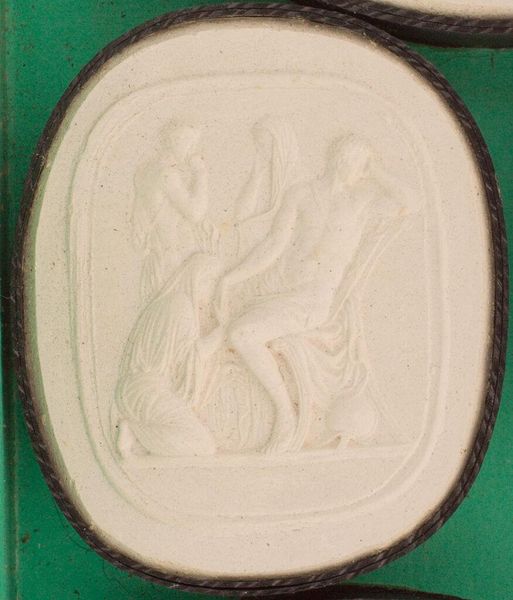
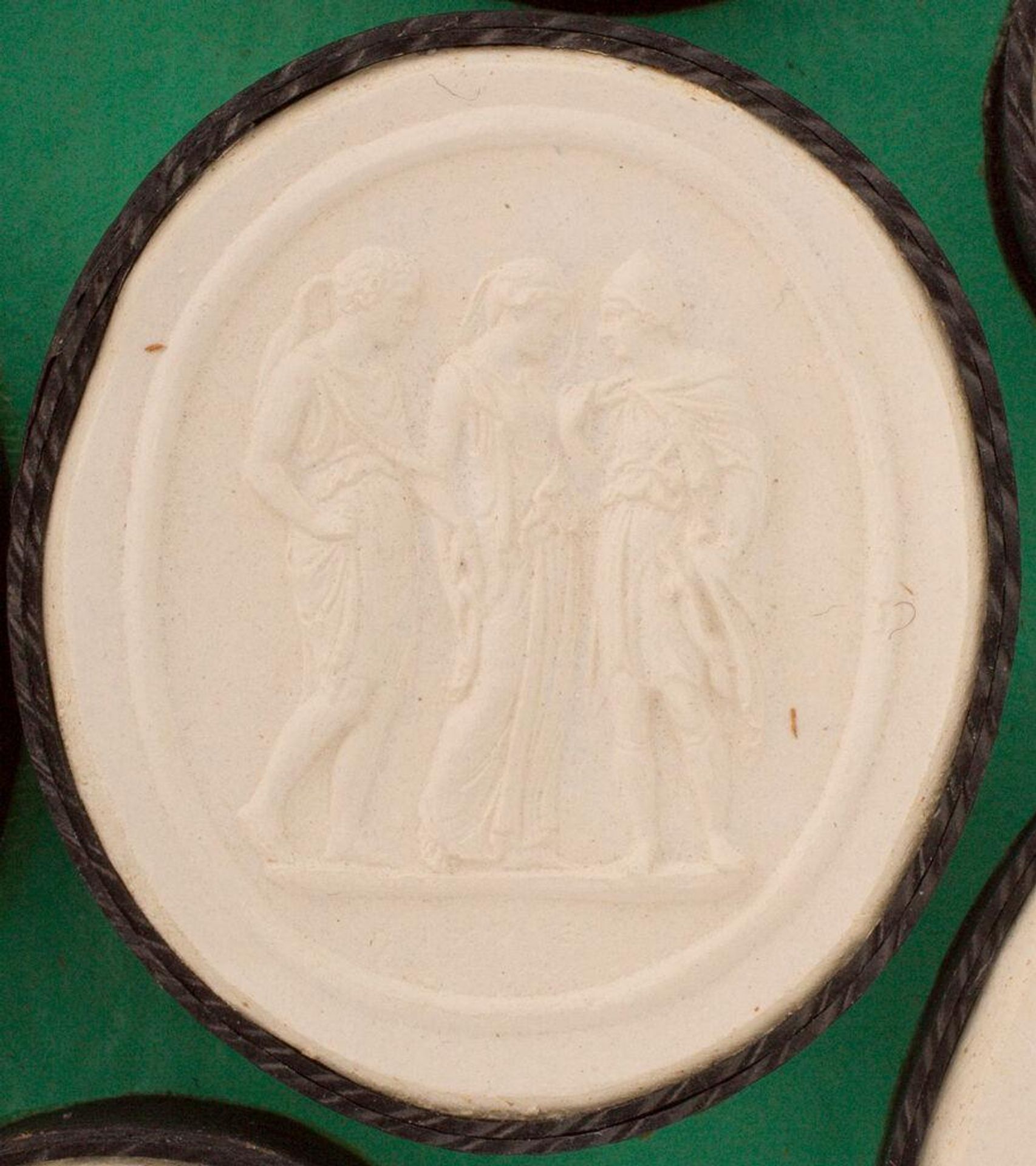
Hermes, Eurydice, and Orpheus, after antiquity

Listen to curator's interpretation
Curatorial notes
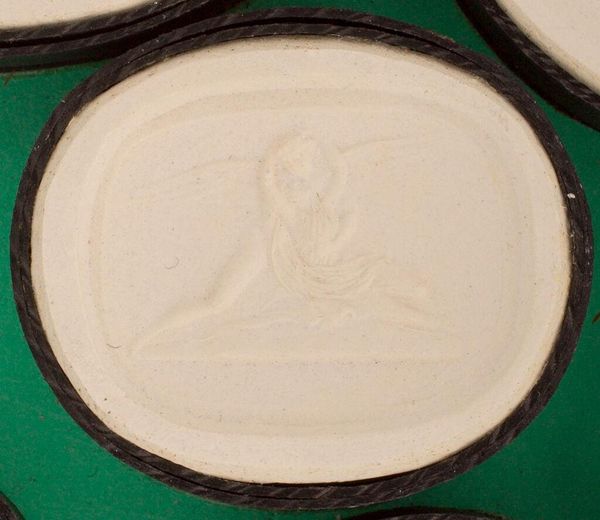
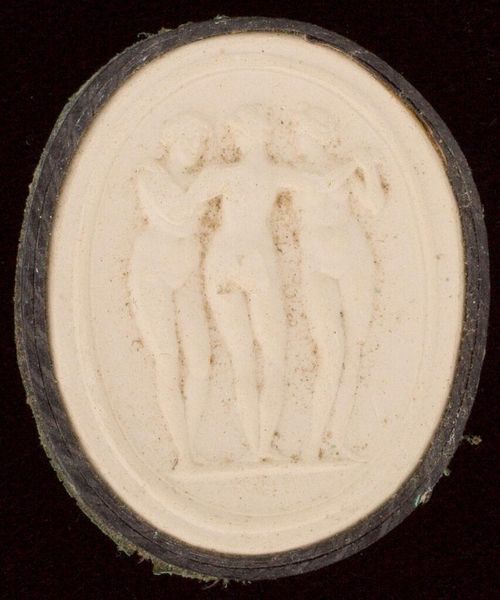
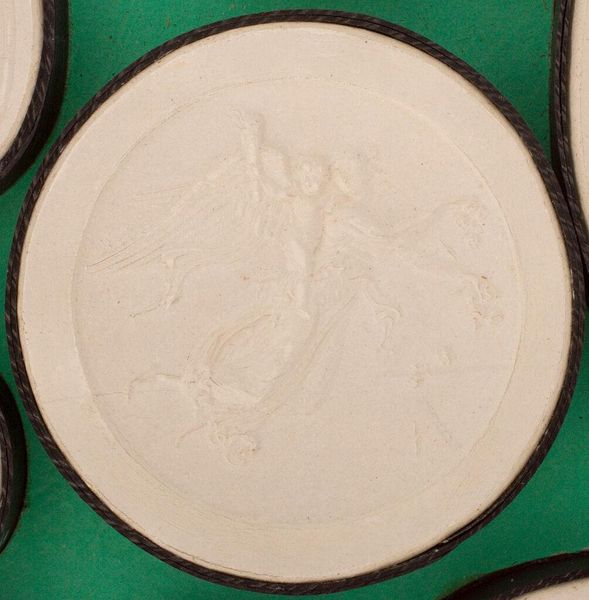
Editor: This is a small, round relief sculpture titled "Hermes, Eurydice, and Orpheus, after antiquity," crafted by the Pichler family. It's incredibly detailed for its size! The figures seem to be caught in a moment of departure. How do you interpret the composition? Curator: The formal elements present a compelling narrative. Note how the figures' contrapposto creates a sense of dynamic tension within the static medium. Consider the interplay of light and shadow across the shallow relief, how it defines form and suggests depth. Does this not evoke a profound sense of loss and irretrievability? Editor: It does, especially with the way their bodies seem to blend into the background. I hadn't noticed how the carving emphasizes their movement until now. Thanks! Curator: Indeed. Such visual analysis allows us to decode the artwork’s symbolic language, revealing layers of meaning beyond the immediate representation.