1746
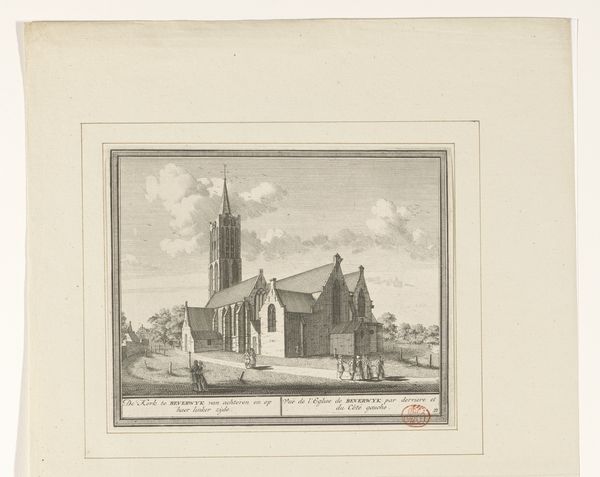
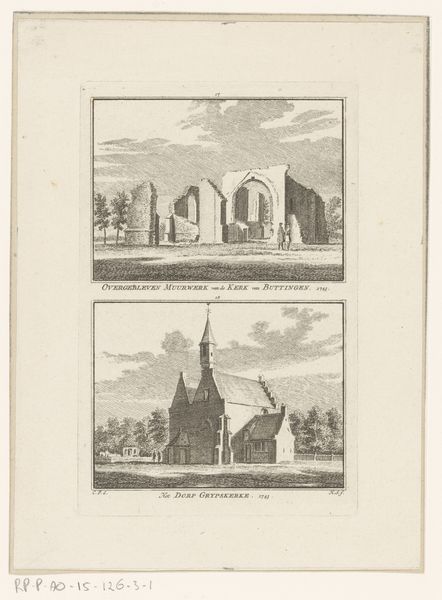
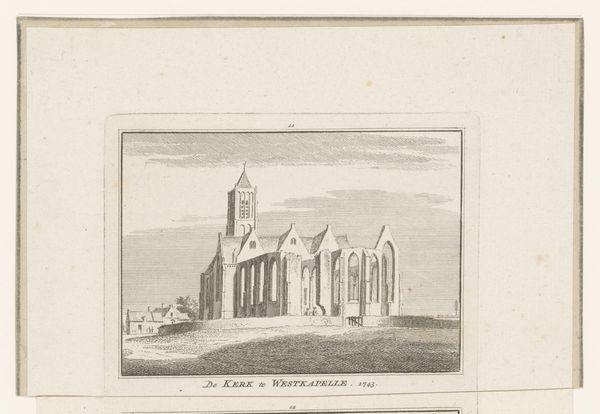
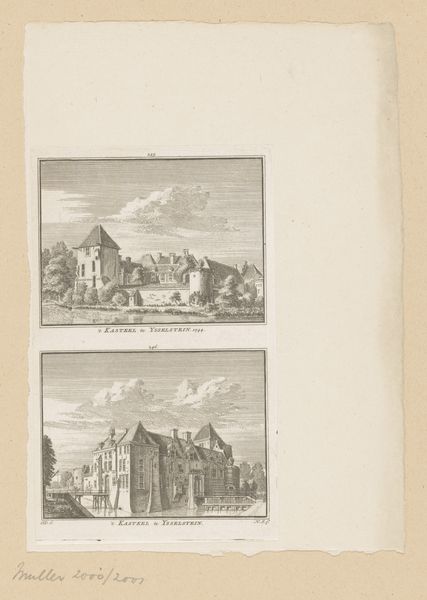
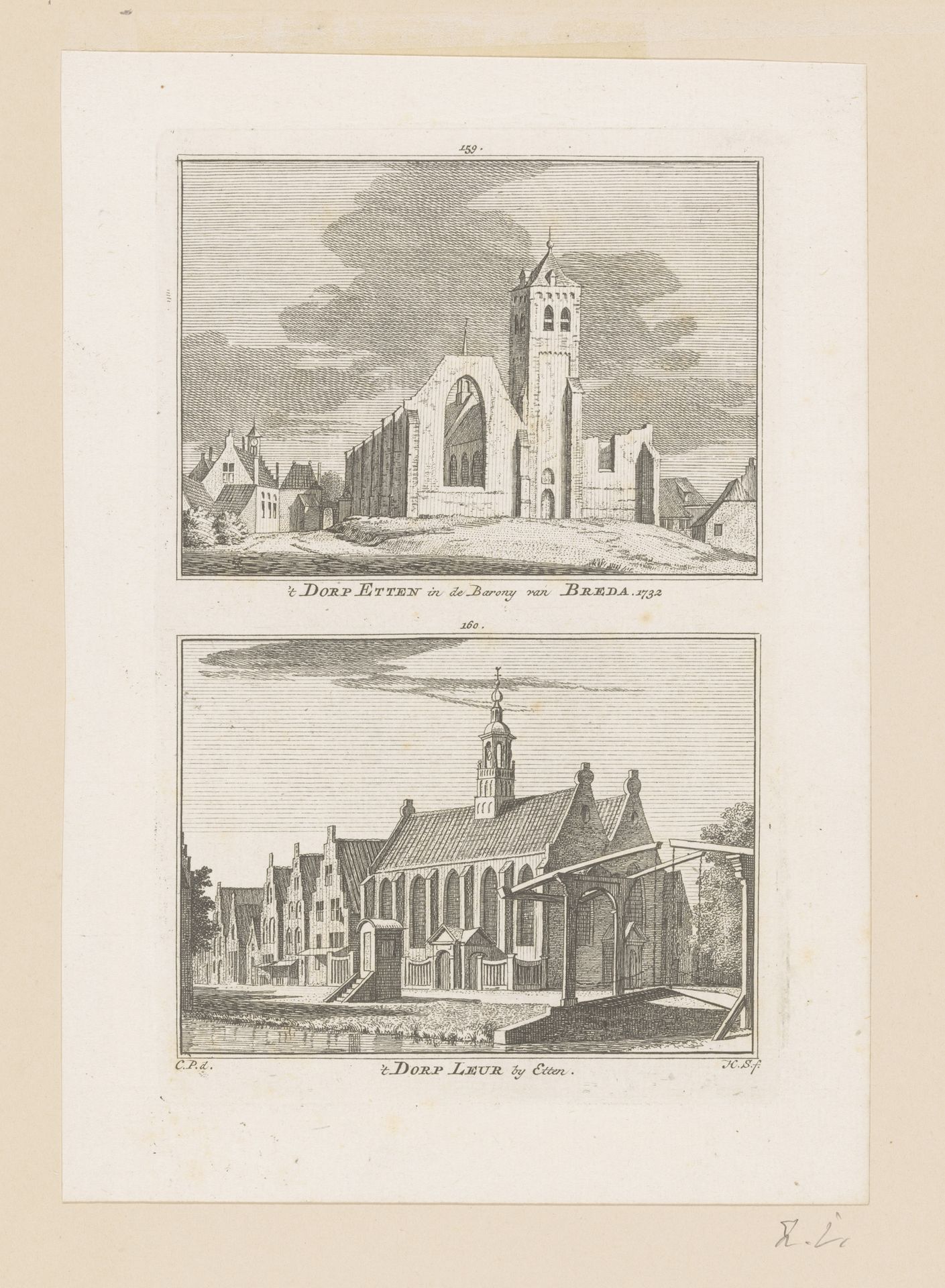
Gezichten op Etten en Leur

Hendrik Spilman
1721 - 1784Location
RijksmuseumListen to curator's interpretation
Curatorial notes
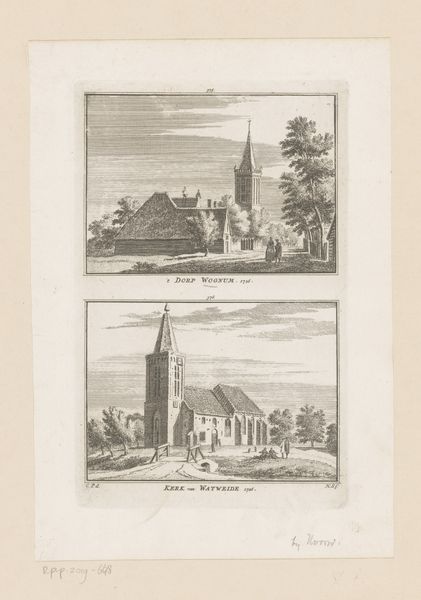
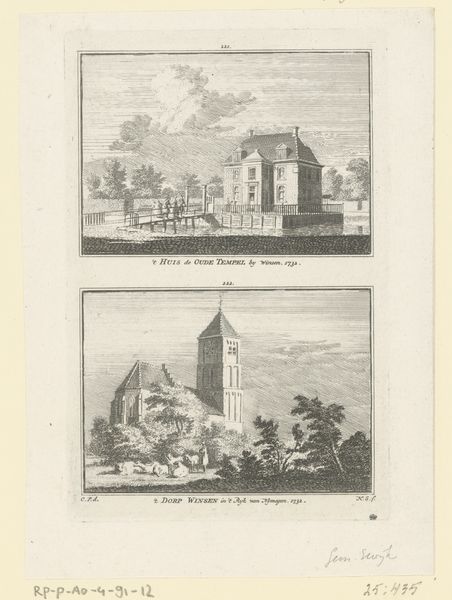
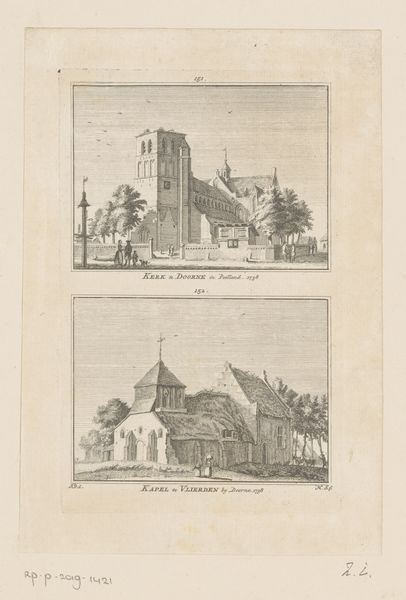
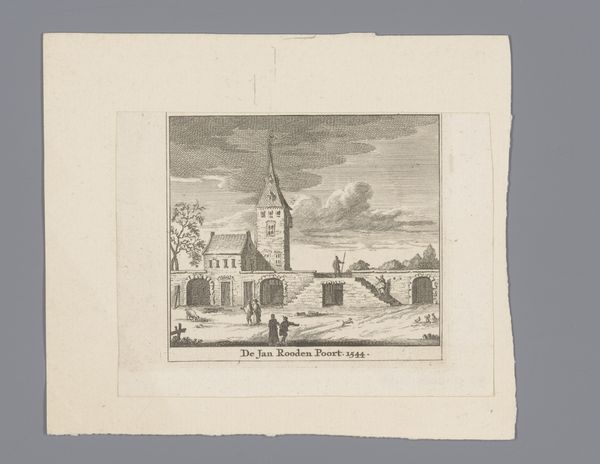
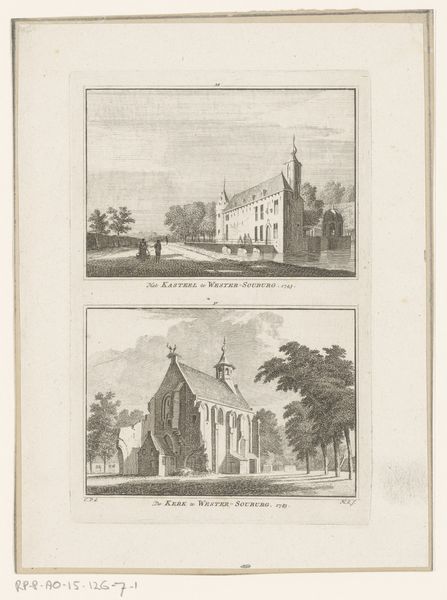
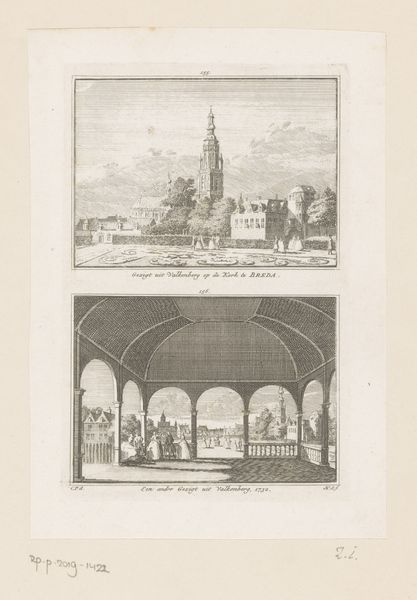
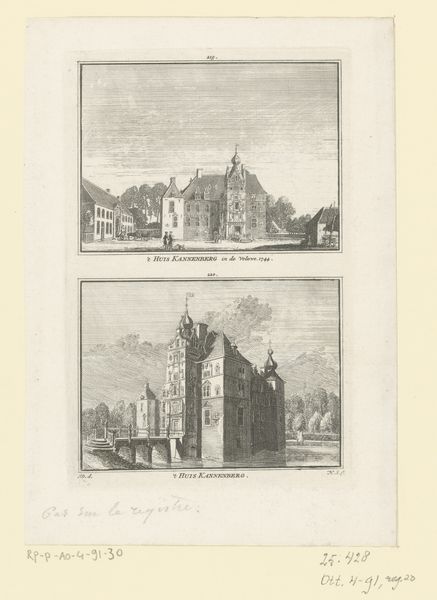
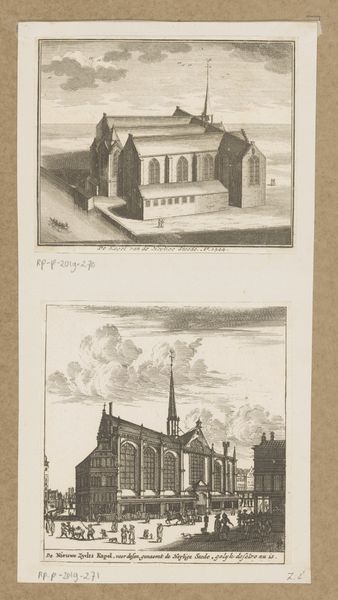
Hendrik Spilman made this print, 'Gezichten op Etten en Leur', using etching, a process that brings an incredible level of detail. The material and processes used here are quite traditional for the 18th century. An etcher like Spilman would cover a copper plate with a waxy ground, then draw through it with a needle to expose the metal. The plate is then immersed in acid, which bites into the exposed lines. This painstaking process is repeated to create the desired depth of tone. The plate is then inked, and the surface wiped clean, leaving ink only in the etched lines, before being printed. Prints like this were relatively inexpensive, a way of democratizing images and sharing views of towns and buildings with a wider public. The level of detail suggests a concern for accuracy, but also reflects the intense labor involved in the printmaking process. Ultimately, the beauty of the etching lies not just in the image it depicts, but in the skilled work required to create it, blurring the lines between craft and art.