c. 1915s - 1925s
Theatervoorstelling

Isaac Israels
1865 - 1934Location
RijksmuseumListen to curator's interpretation
Curatorial notes
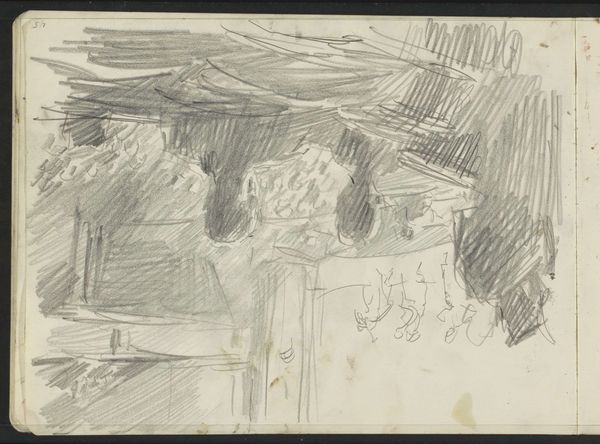
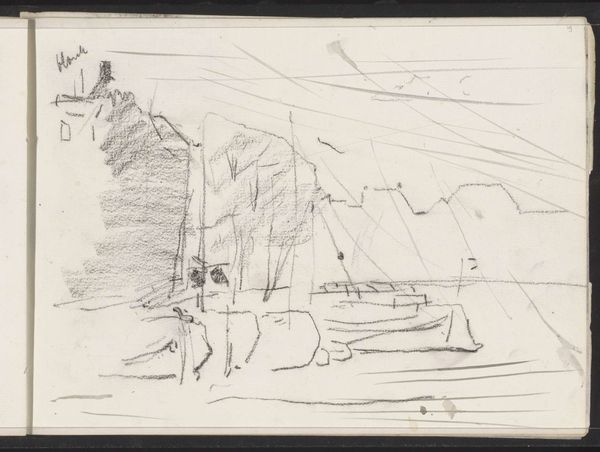
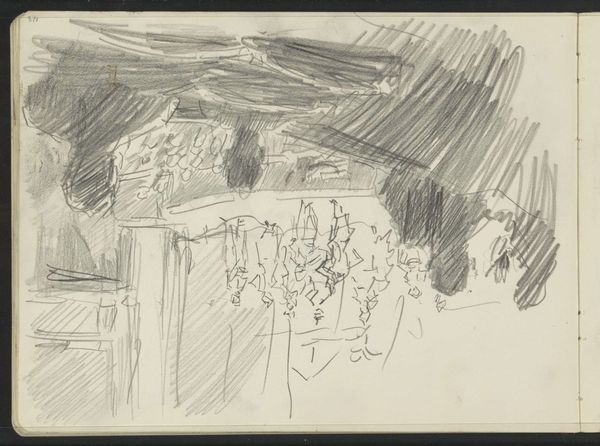
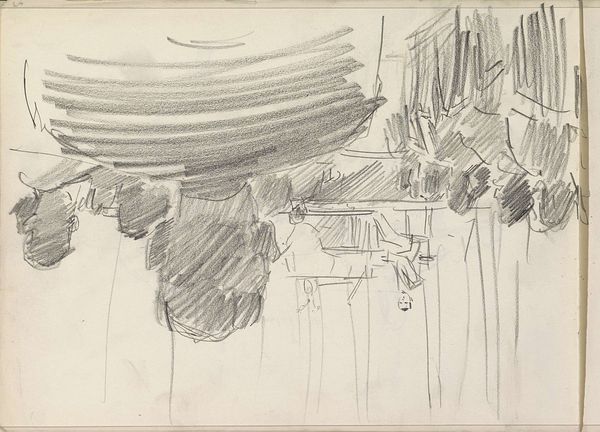
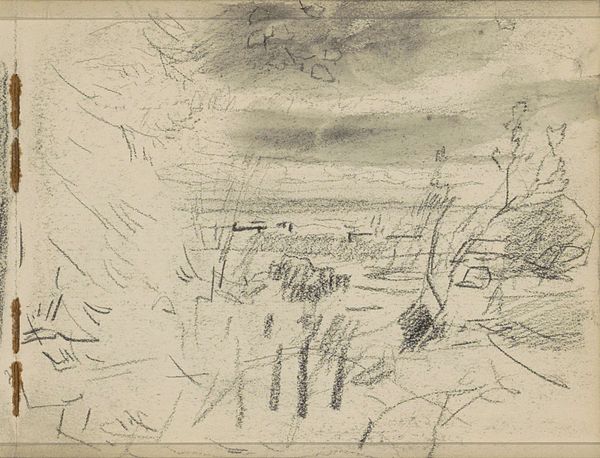
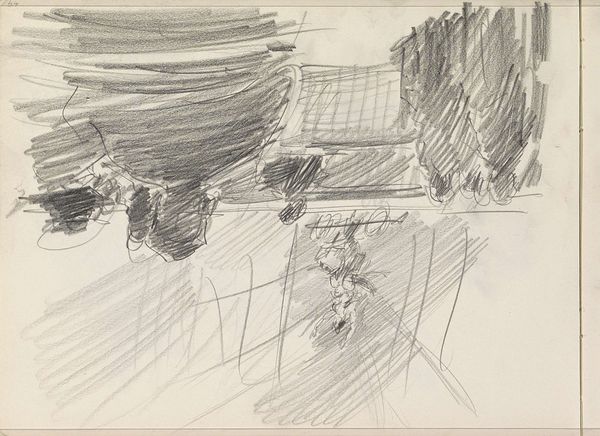
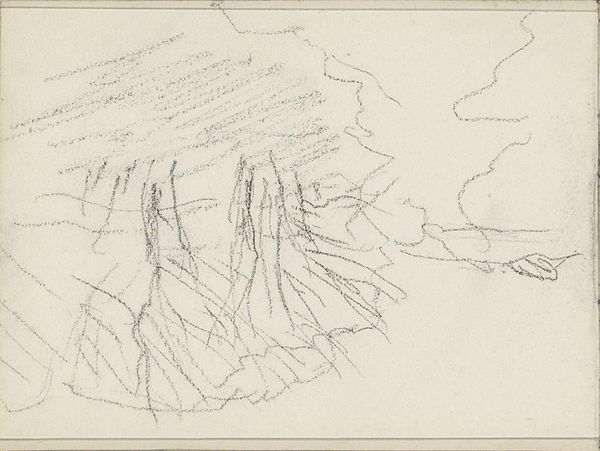
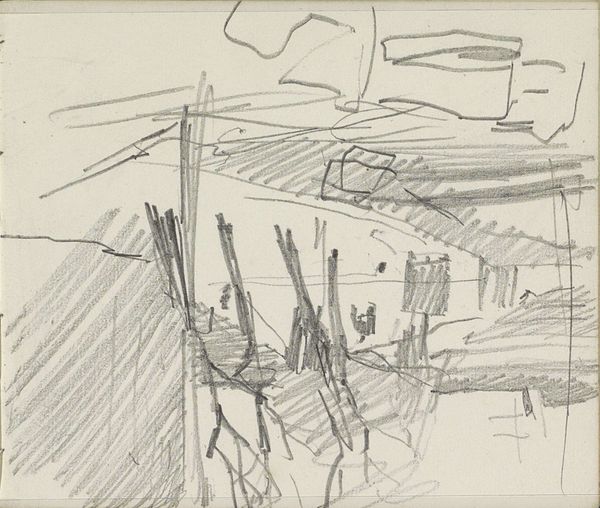
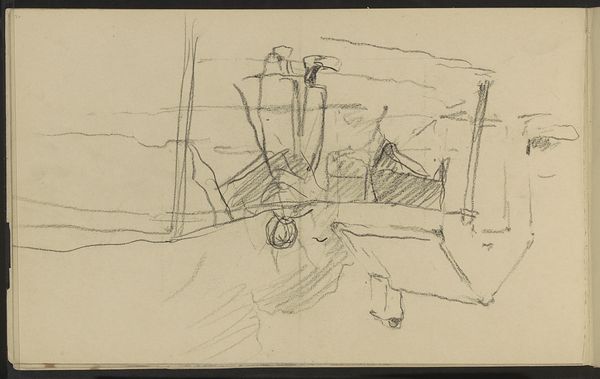
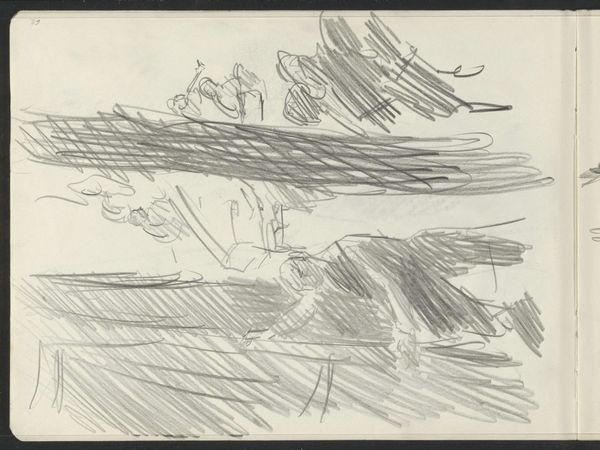
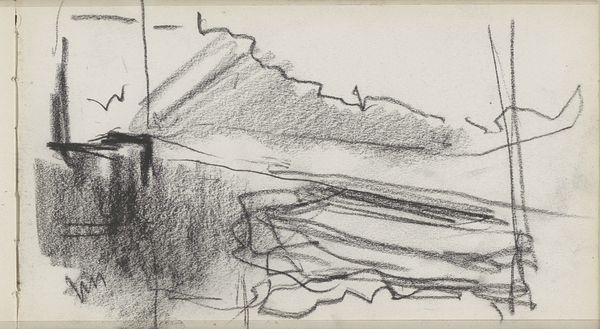
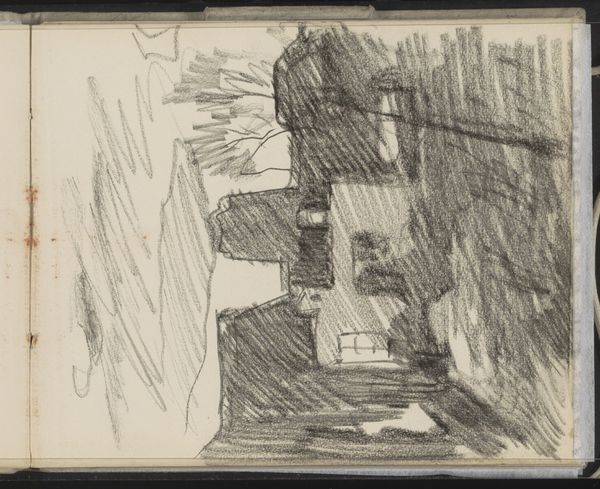
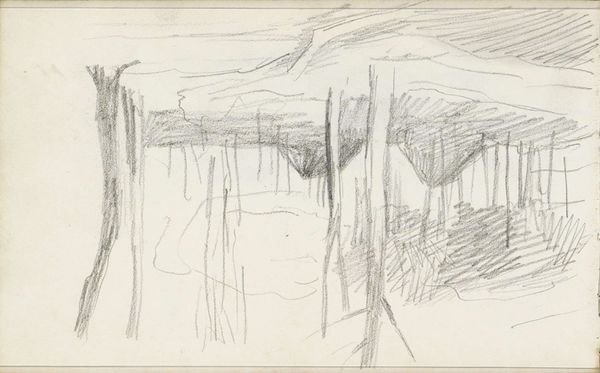
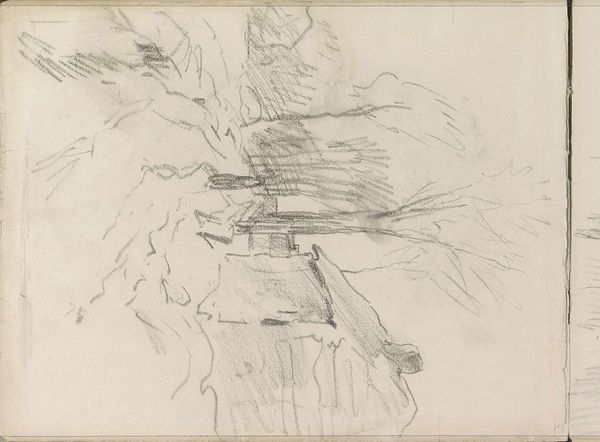
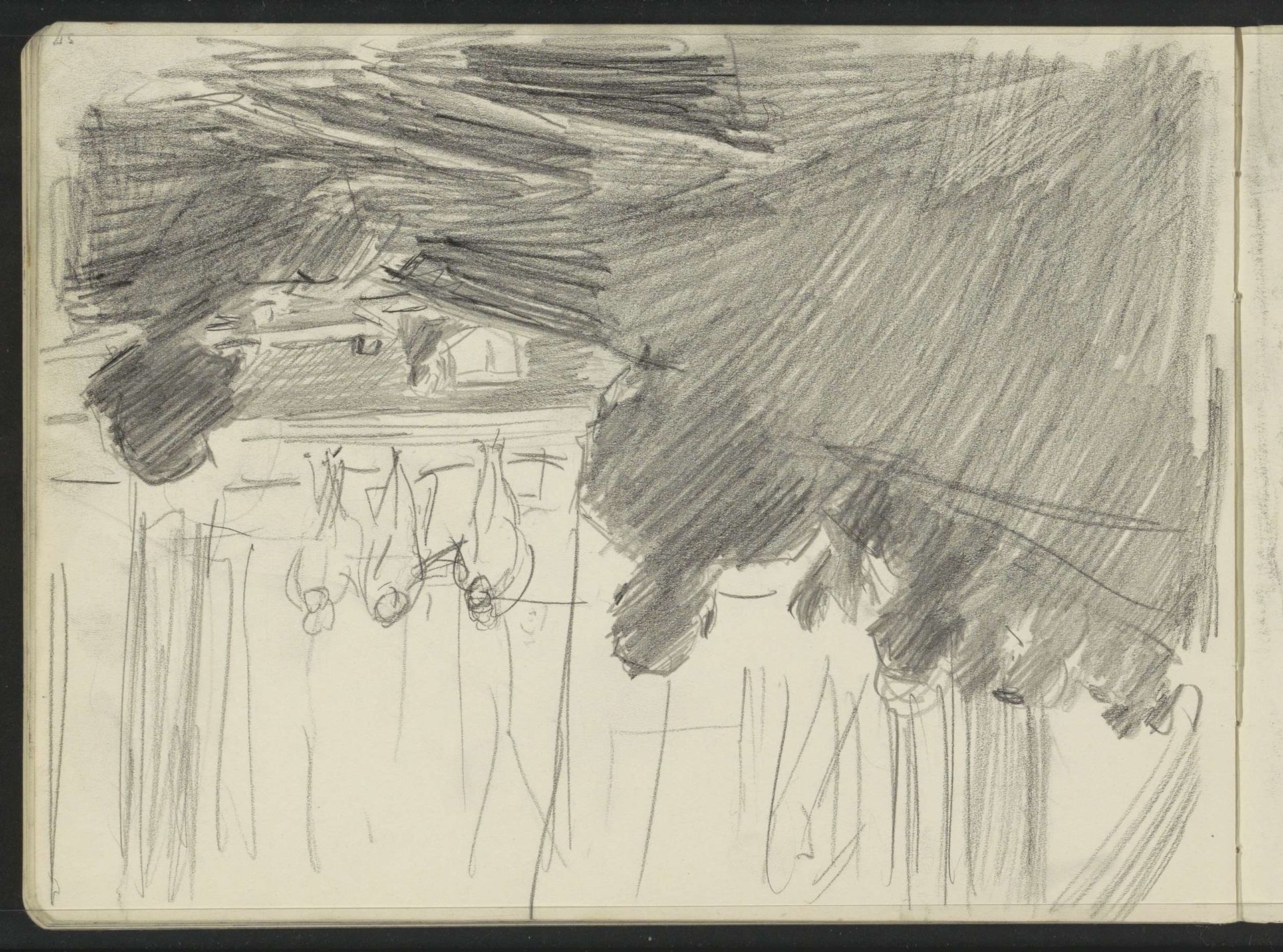
Curator: This is "Theatervoorstelling," or "Theatrical Performance," by Isaac Israels, dating from around 1915 to 1925. It's a pencil drawing, currently held at the Rijksmuseum. Editor: It feels so fleeting, almost as if Israels was just capturing a quick impression. What strikes me is how little detail there is, and yet I get the sense of being in a crowded theater. What do you see in this piece? Curator: What interests me here is the material reality of the artwork itself – the graphite on paper. Look at how the varying pressure of the pencil creates a range of tones, suggesting depth and shadow. How might the specific qualities of the pencil and paper – their texture, their cost, their accessibility – have influenced Israels' process? Editor: That's an interesting point. I hadn't considered how the choice of materials would impact the artist’s style and what they hoped to achieve with it. It does feel like it encourages that sense of capturing a moment rather than crafting something polished. Curator: Exactly. The sketchiness undermines any notion of a 'finished' or 'precious' artwork. Was this intended for public display, or was it more of a working document? Also consider the social context: Who were the people in this theater, and what role did theater play in society at the time? Were these leisurely drawings, part of a wealthy lifestyle? Editor: So you’re suggesting that the artwork is speaking not just about the subject, the performance itself, but the context of its creation? That the cheapness of the material might have enabled a faster or less careful study, making it more about immediate record than something intended for market? Curator: Precisely. It encourages us to think about art making not as purely aesthetic expression, but as a form of labor and social practice rooted in material conditions. What impact does accessibility of materials have on art as a whole? Editor: It is fascinating to see a raw depiction such as this one from that perspective! I will have to give more thought to that going forward. Thank you. Curator: Absolutely. And it is these insights that allow us to analyze beyond the surface and connect the artwork with society.