About this artwork
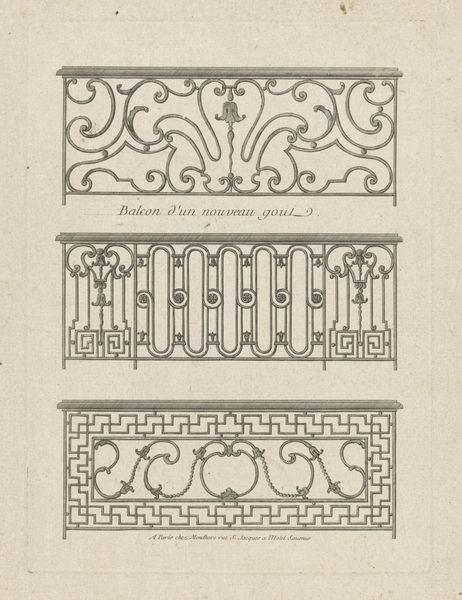
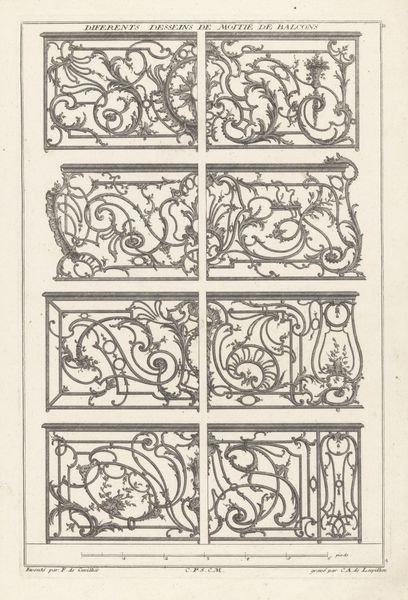
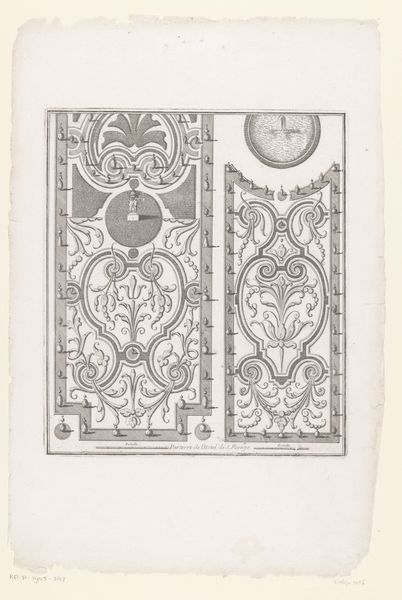
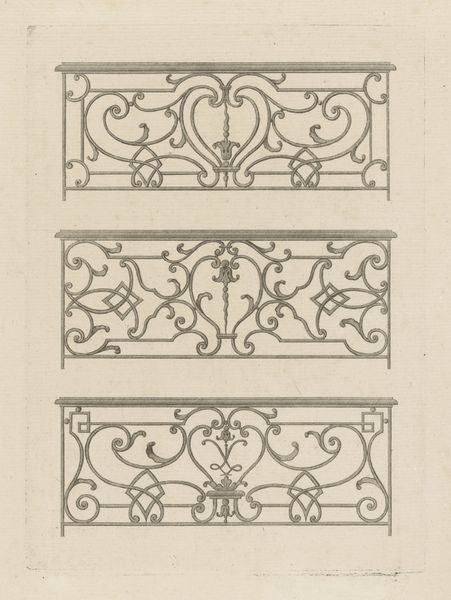
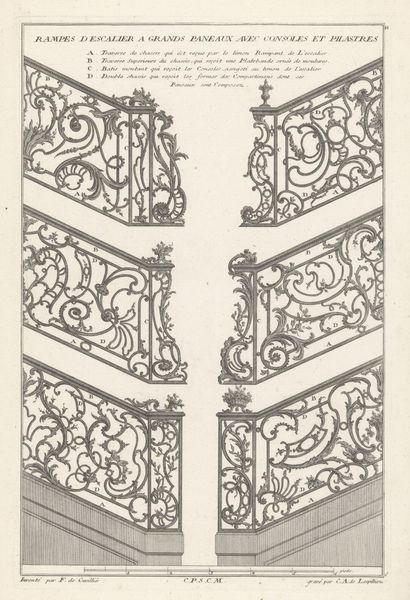
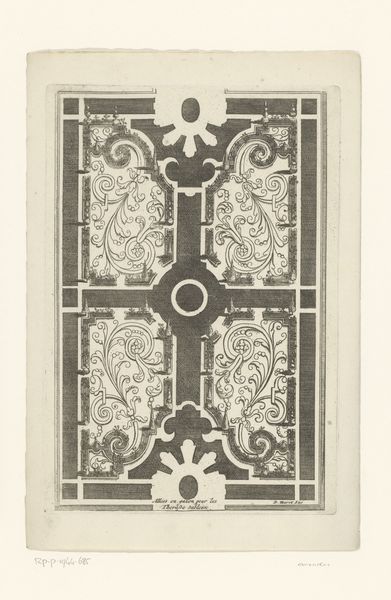
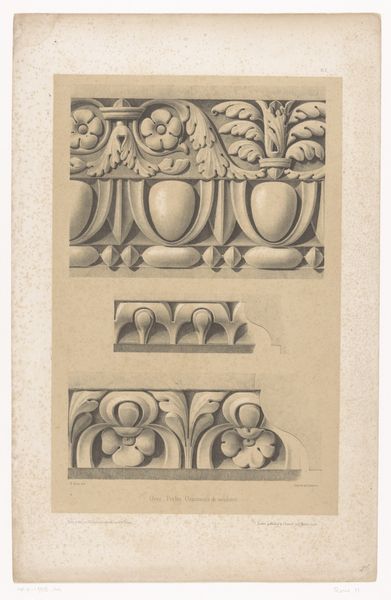
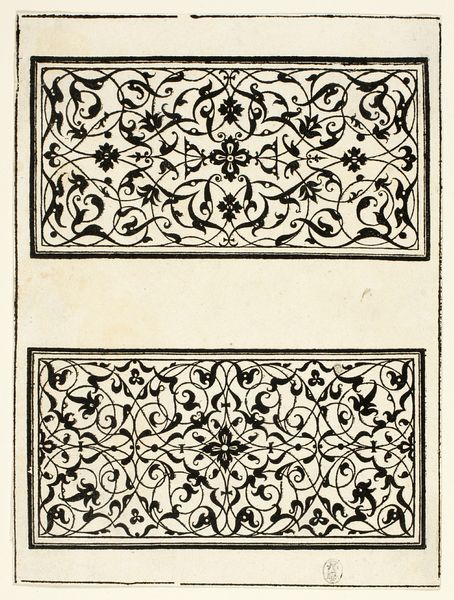
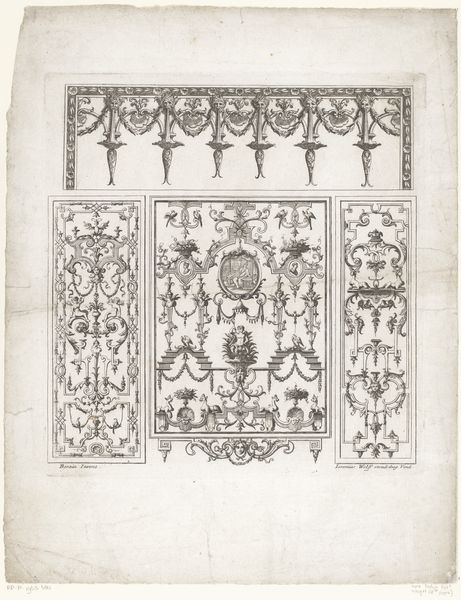
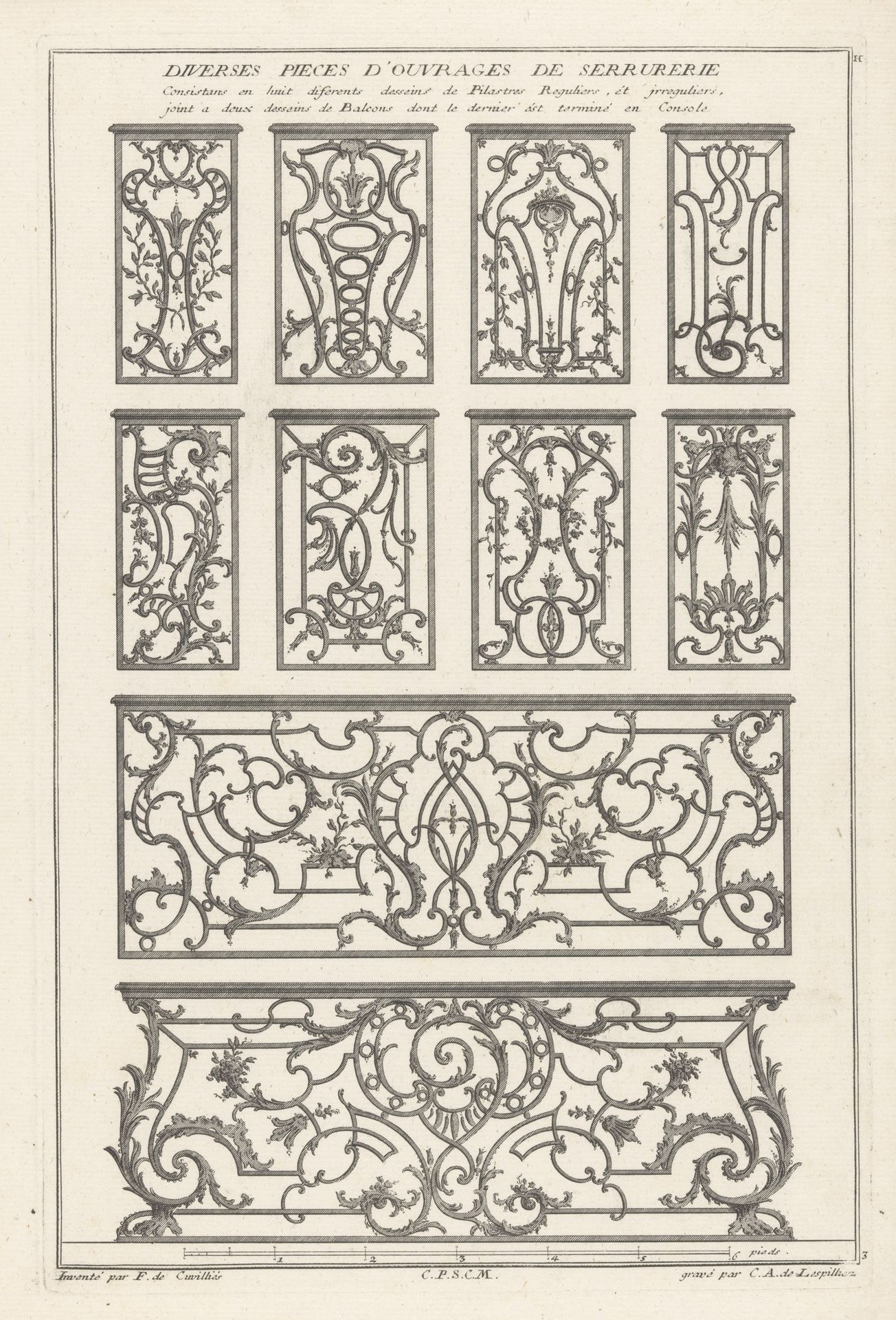
Carl Albert von Lespilliez produced this print of pilasters and balcony railings. The decorative ironwork is typical of the late 18th century. But this is no mere catalog of designs. It reveals the cultural and institutional backdrop of artistic production at the time. Made in Germany, this print exemplifies the era’s fascination with ornamentation, especially in the architecture of the wealthy. Ironwork, while functional, became an expression of status and aesthetic taste. Consider the social hierarchy embedded here: skilled artisans crafting bespoke designs for the elite, reinforcing class distinctions through material culture. Institutions like design academies and workshops played a crucial role, standardizing techniques and aesthetics, while also fostering innovation. This print documents and disseminates these designs, further solidifying their influence on the built environment. Historians consult pattern books, architectural treatises, and estate records to understand the social life of art. By examining these resources, we can understand the aspirations and values of a society through its material creations.

Artwork details
- Medium
- print, metal, engraving, architecture
- Dimensions
- height 368 mm, width 243 mm
- Location
- Rijksmuseum
- Copyright
- Rijks Museum: Open Domain
Tags
Comments
Share your thoughts
About this artwork
Carl Albert von Lespilliez produced this print of pilasters and balcony railings. The decorative ironwork is typical of the late 18th century. But this is no mere catalog of designs. It reveals the cultural and institutional backdrop of artistic production at the time. Made in Germany, this print exemplifies the era’s fascination with ornamentation, especially in the architecture of the wealthy. Ironwork, while functional, became an expression of status and aesthetic taste. Consider the social hierarchy embedded here: skilled artisans crafting bespoke designs for the elite, reinforcing class distinctions through material culture. Institutions like design academies and workshops played a crucial role, standardizing techniques and aesthetics, while also fostering innovation. This print documents and disseminates these designs, further solidifying their influence on the built environment. Historians consult pattern books, architectural treatises, and estate records to understand the social life of art. By examining these resources, we can understand the aspirations and values of a society through its material creations.
Comments
Share your thoughts