About this artwork
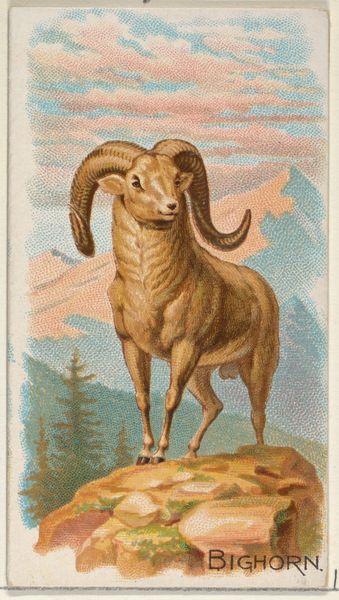
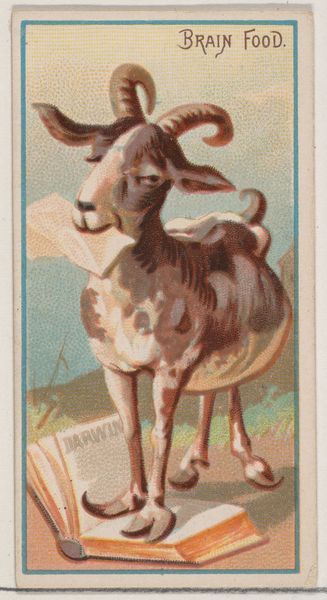
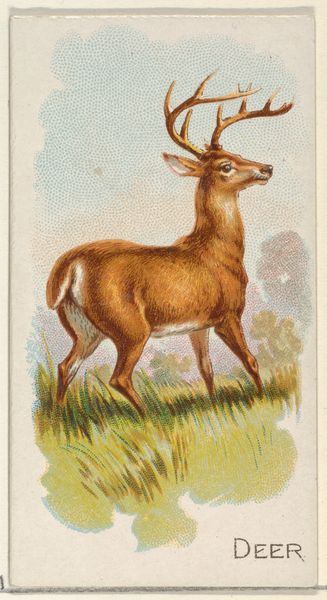
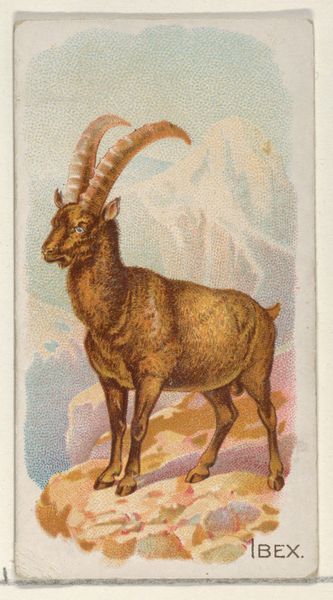
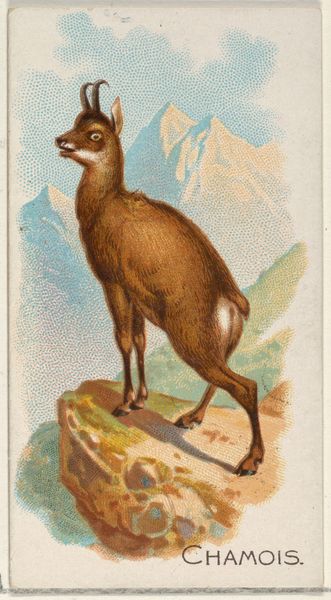
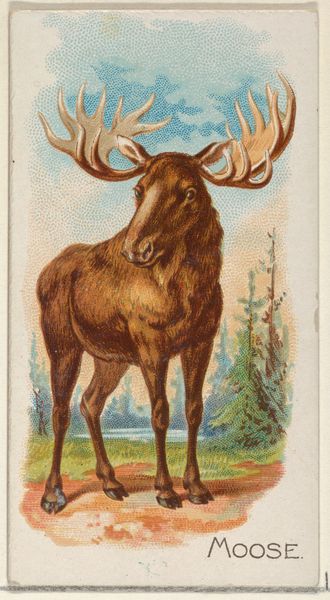
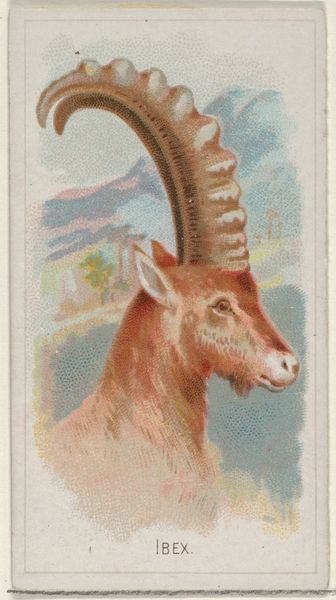
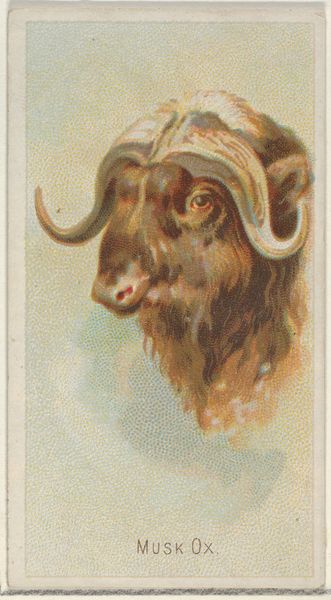
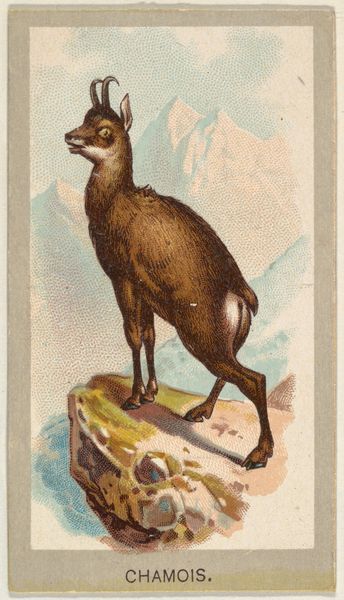
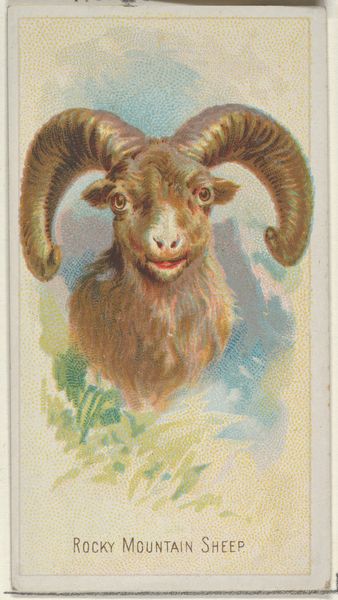
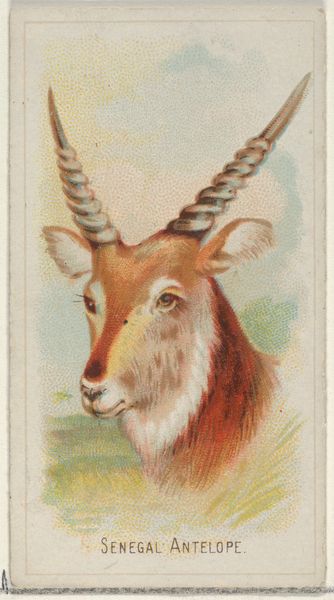
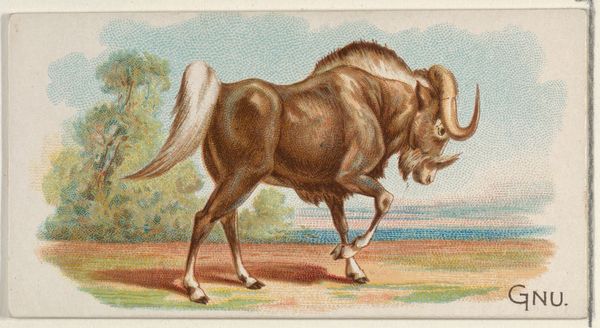
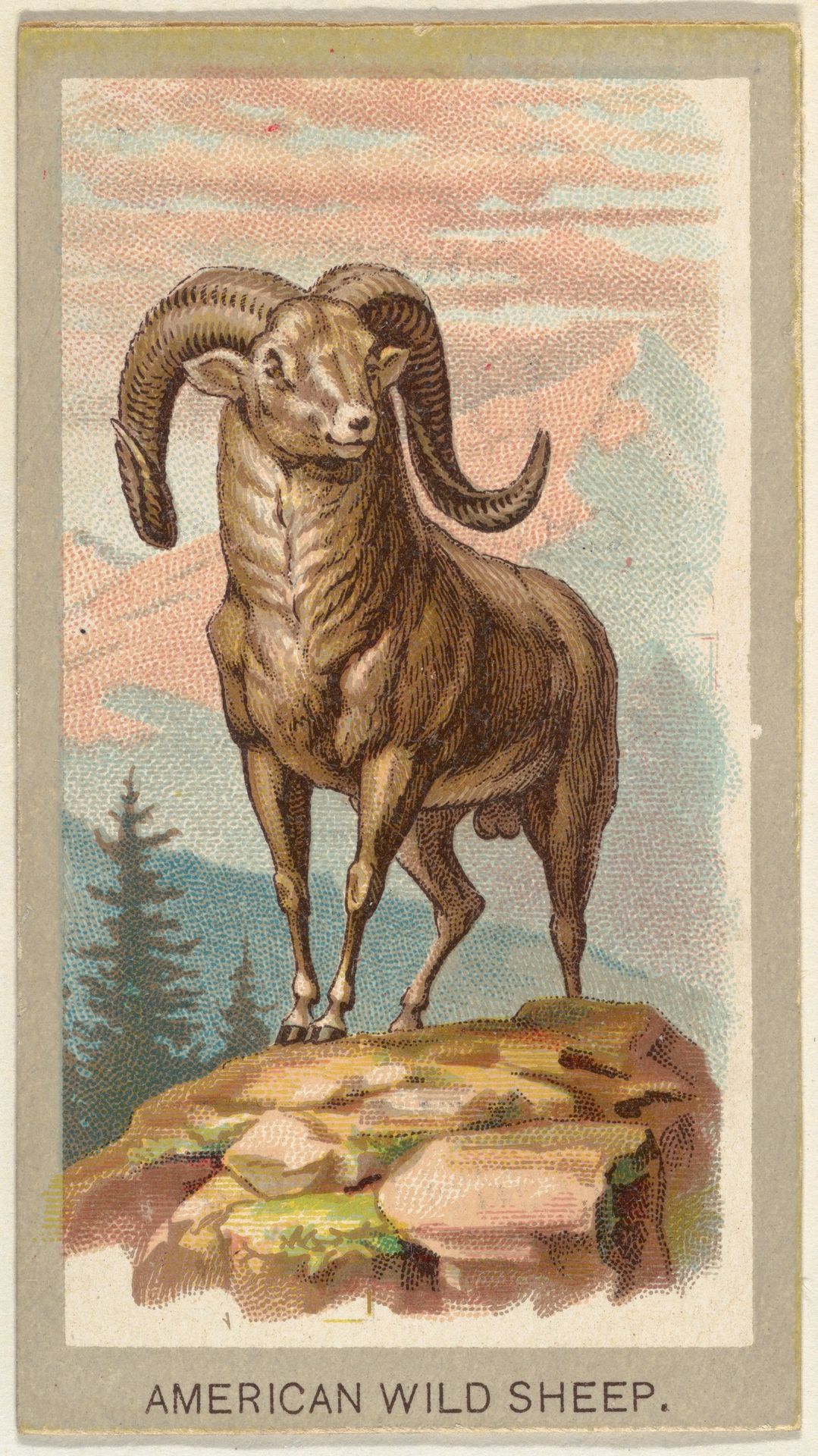
This small, mass-produced card depicting an American Wild Sheep was printed by Abdul Cigarettes, a company founded in 1881. Made through industrial printing processes, its smooth surface belies the complex layering of inks required to create its naturalistic image. It is one of a collectible series, which speaks to the late 19th century fascination with categorizing the natural world. The card's materiality connects it to a wider context of mass production, consumer culture and global trade. The detailed rendering, though printed, evokes the tradition of natural history illustration, while the card’s modest size and wide distribution speak to the democratization of knowledge and the rise of consumerism. Though seemingly insignificant, this card provides a lens through which to examine the social, cultural and economic forces at play in the late 19th century.
American Wild Sheep, from the Animals of the World series (T180), issued by Abdul Cigarettes
1881


Artwork details
- Medium
- drawing, coloured-pencil, print
- Dimensions
- Sheet: 2 3/4 × 1 5/8 in. (7 × 4.2 cm)
- Location
- Metropolitan Museum of Art, New York, NY
- Copyright
- Public Domain
Tags
Comments
Share your thoughts
About this artwork
This small, mass-produced card depicting an American Wild Sheep was printed by Abdul Cigarettes, a company founded in 1881. Made through industrial printing processes, its smooth surface belies the complex layering of inks required to create its naturalistic image. It is one of a collectible series, which speaks to the late 19th century fascination with categorizing the natural world. The card's materiality connects it to a wider context of mass production, consumer culture and global trade. The detailed rendering, though printed, evokes the tradition of natural history illustration, while the card’s modest size and wide distribution speak to the democratization of knowledge and the rise of consumerism. Though seemingly insignificant, this card provides a lens through which to examine the social, cultural and economic forces at play in the late 19th century.
Comments
Share your thoughts