About this artwork
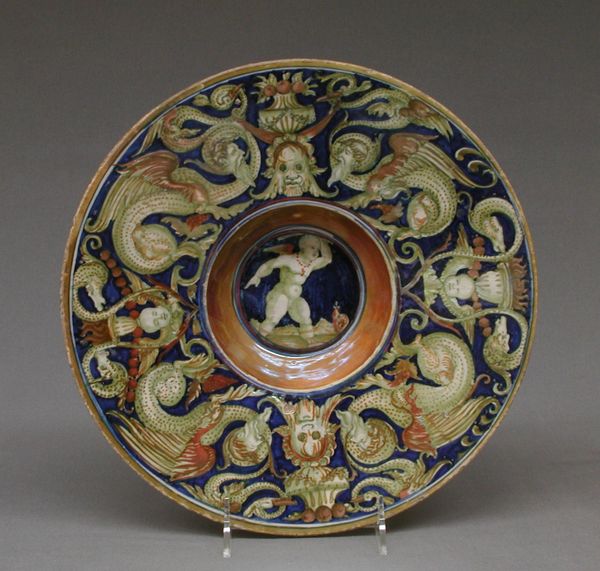
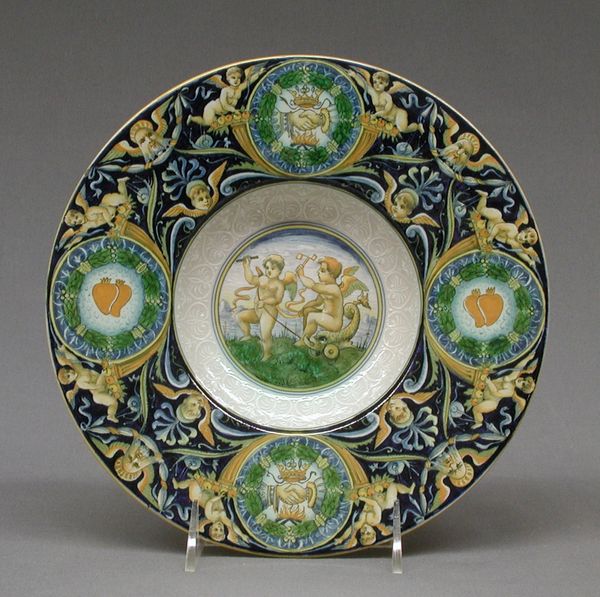
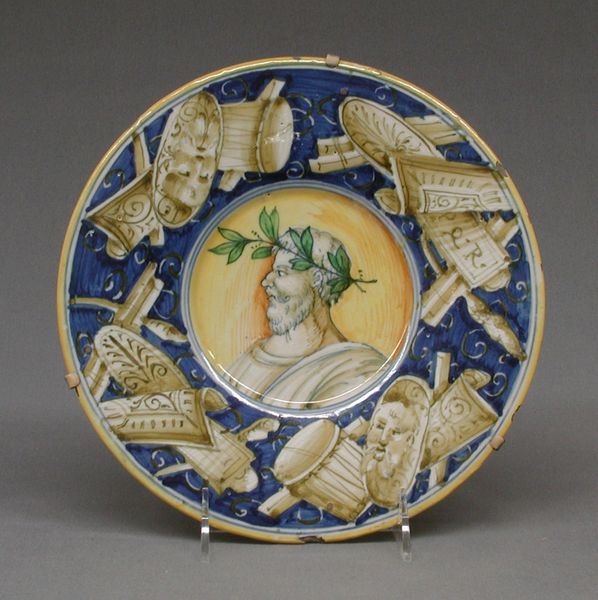
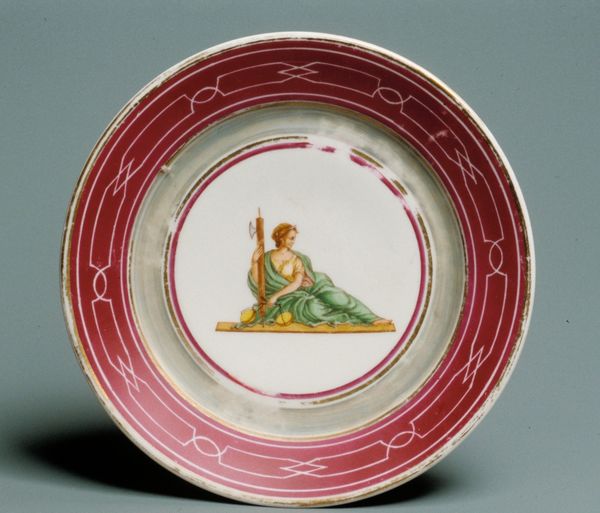
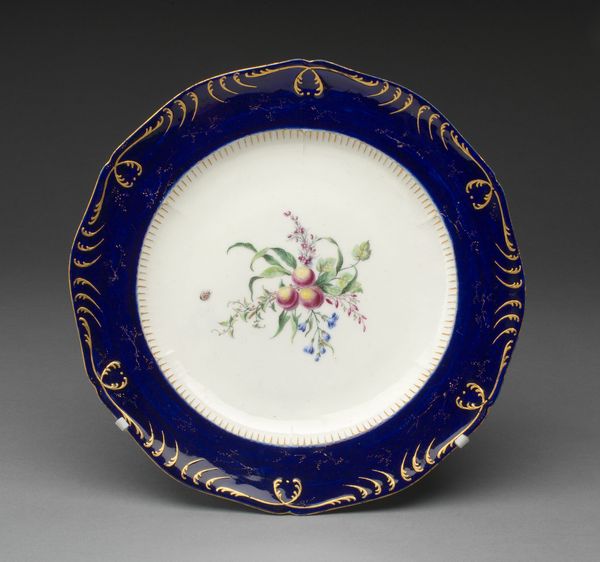
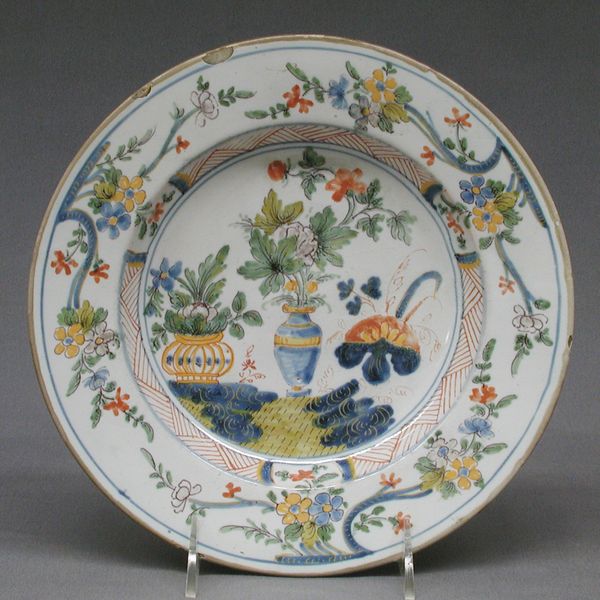
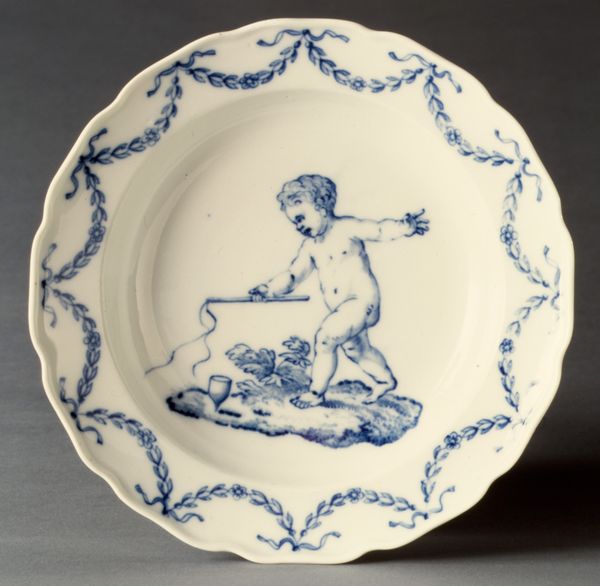
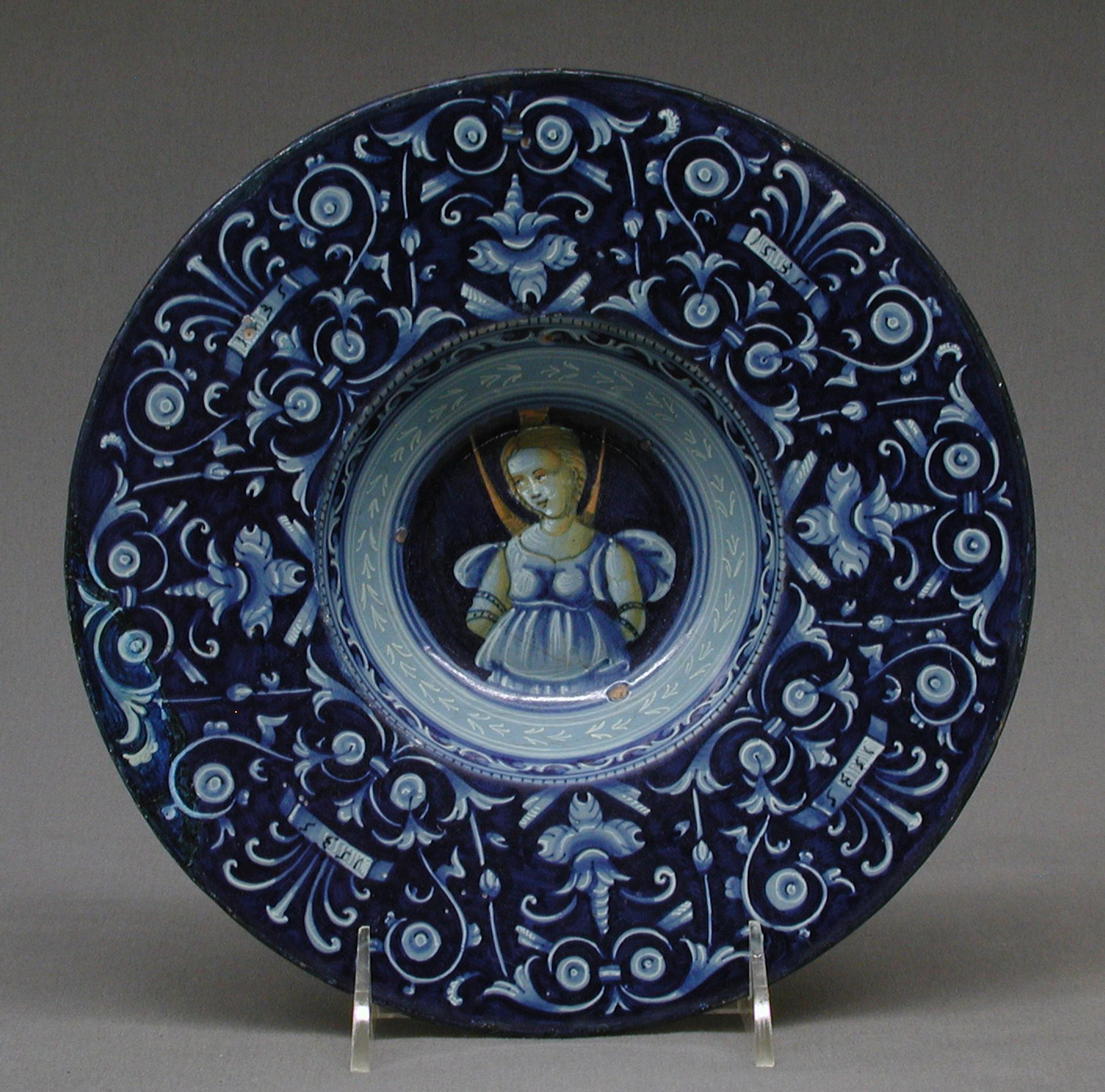
This ceramic dish, made by the Casa Pirota Manufactory, captivates with its circular structure, divided into a central medallion and a surrounding ornate border, all rendered in shades of blue. The composition features a central figure, framed by concentric circles. The formal arrangement directs our gaze inward. The artist uses contrasting tones of dark and light blue to create depth and highlight decorative motifs. These abstract shapes contrast with the central figure, whose gaze is directed down and away, imbuing the plate with a sense of depth. Structurally, the design employs a semiotic system where floral patterns and inscriptions act as signs of status and cultural identity. The symmetry and repetition of the patterns evoke a sense of order and refinement, reflecting the cultural values of the time. The materiality of the ceramic, combined with the painterly design, enhances the tactile and visual experience. This piece transcends its function, inviting ongoing interpretation of its form and meaning.
Dish
1535

Casa Pirota Manufactory
@casapirotamanufactory
The Metropolitan Museum of Art
Metropolitan Museum of Art, New York, NYArtwork details
- Medium
- ceramic, fresco, sculpture
- Dimensions
- Overall (confirmed): 1 11/16 × 9 1/4 × 9 1/4 in. (4.3 × 23.5 × 23.5 cm)
- Location
- Metropolitan Museum of Art, New York, NY
- Copyright
- Public Domain
Tags
Comments
Share your thoughts
About this artwork
This ceramic dish, made by the Casa Pirota Manufactory, captivates with its circular structure, divided into a central medallion and a surrounding ornate border, all rendered in shades of blue. The composition features a central figure, framed by concentric circles. The formal arrangement directs our gaze inward. The artist uses contrasting tones of dark and light blue to create depth and highlight decorative motifs. These abstract shapes contrast with the central figure, whose gaze is directed down and away, imbuing the plate with a sense of depth. Structurally, the design employs a semiotic system where floral patterns and inscriptions act as signs of status and cultural identity. The symmetry and repetition of the patterns evoke a sense of order and refinement, reflecting the cultural values of the time. The materiality of the ceramic, combined with the painterly design, enhances the tactile and visual experience. This piece transcends its function, inviting ongoing interpretation of its form and meaning.
Comments
Share your thoughts