About this artwork
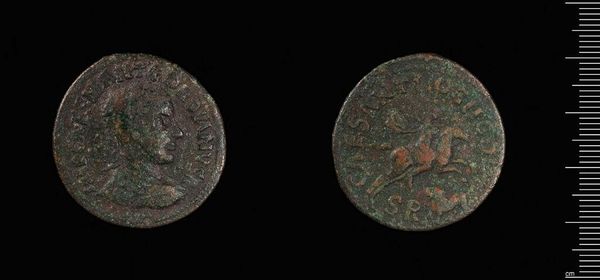
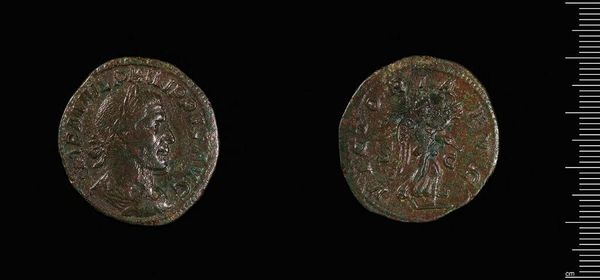
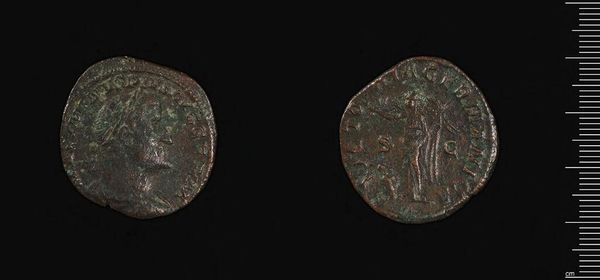
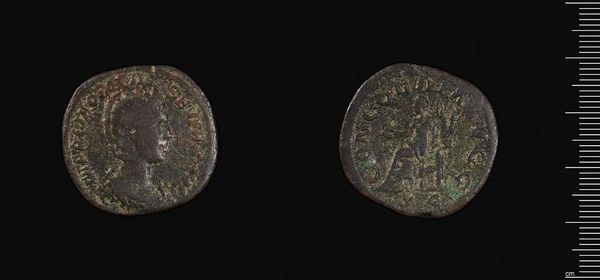
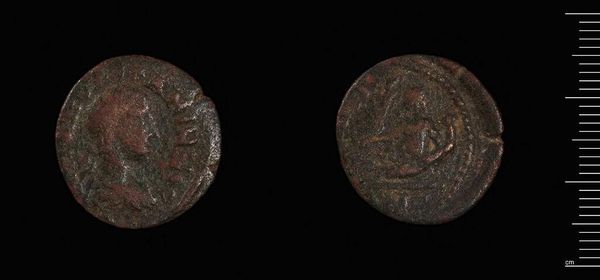
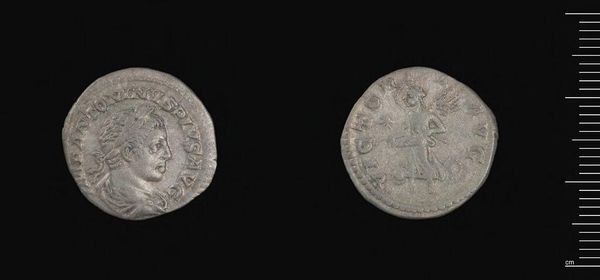
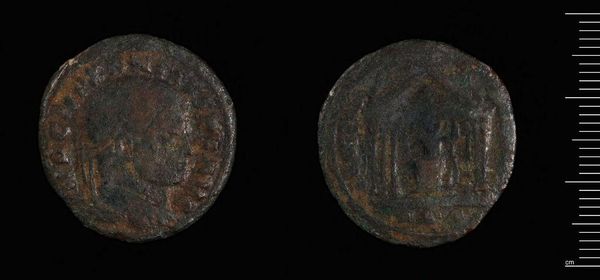
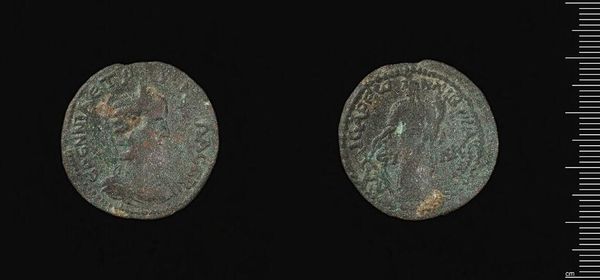
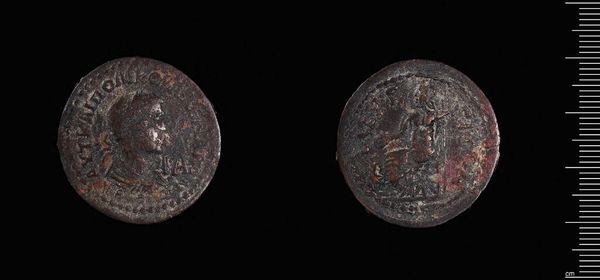
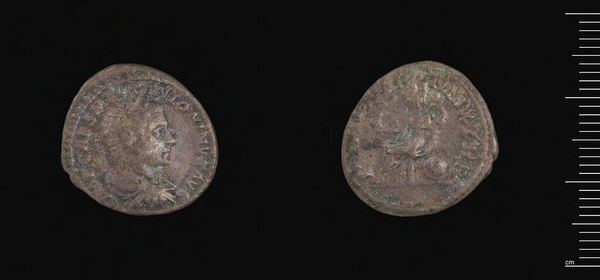
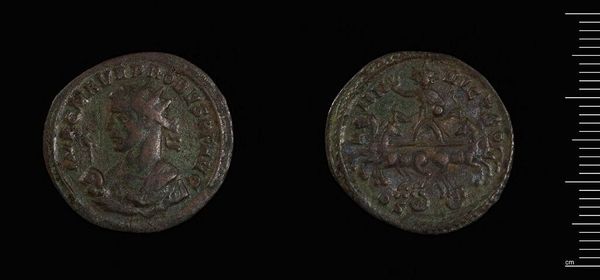
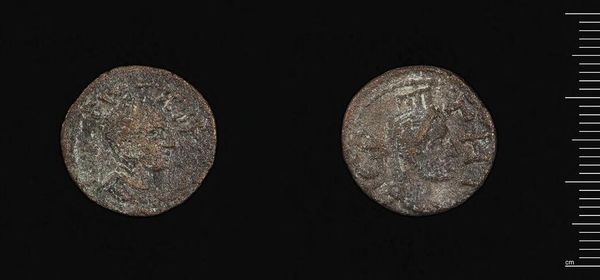
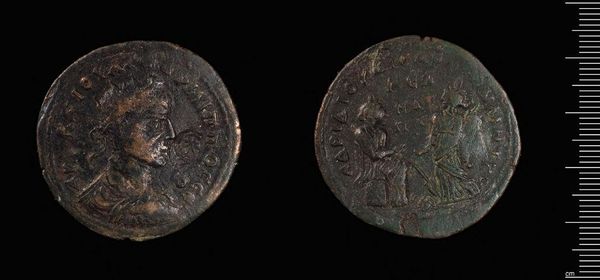
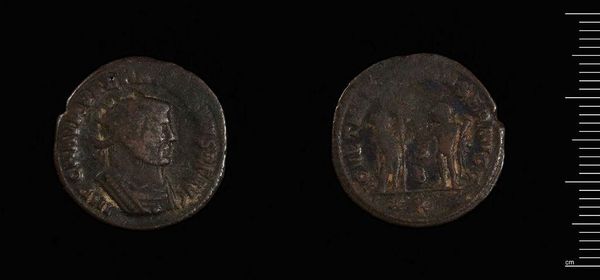
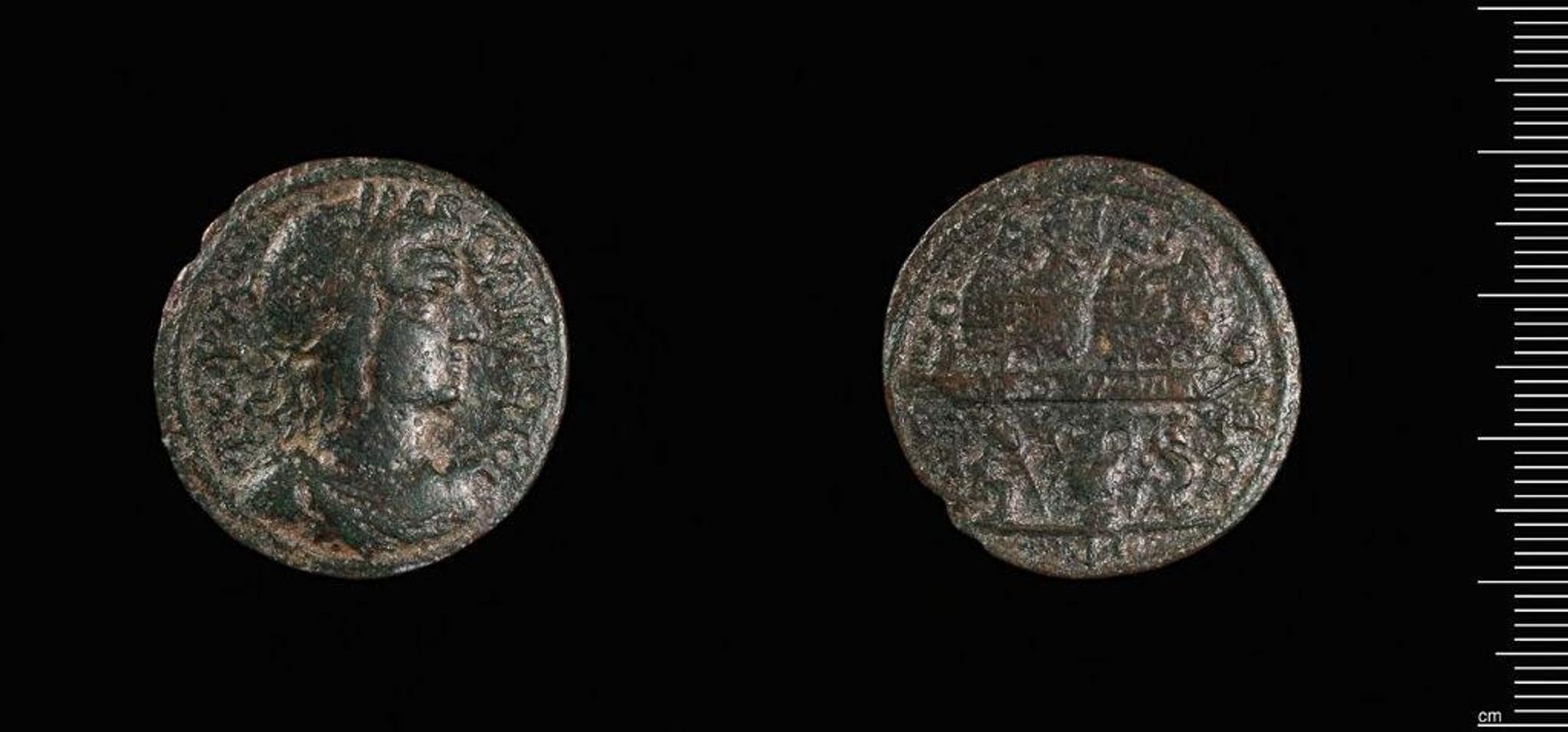
Curator: Here we have a coin from Aphrodisias, dating back to the time of Gordian III. Editor: It has an elemental presence. The worn surface and subdued metallic tones give it a tangible, almost melancholic quality. Curator: Absolutely. Its creation reflects the politics of the Roman Empire during Gordian’s reign; each coin was a propaganda tool, embodying imperial power. Editor: Yes, and observe the composition: the deliberate placement of the ruler's profile, the careful arrangement of symbolic elements—each aspect serves to convey a specific message. Curator: Coins like this also illustrate power dynamics and trade routes within the ancient world, revealing the empire's vast reach. Editor: True, and through careful analysis of its form, we discern the values and aesthetics of its time. Curator: Considering its historical implications alongside its form enriches our understanding. Editor: Indeed, it bridges historical context with artistic expression.
Coin of Aphrodisias, Time of Gordian III c. 238 - 244

Artwork details
- Dimensions
- 14.99 g
- Location
- Harvard Art Museums
- Copyright
- CC0 1.0
Comments
No comments
About this artwork
Curator: Here we have a coin from Aphrodisias, dating back to the time of Gordian III. Editor: It has an elemental presence. The worn surface and subdued metallic tones give it a tangible, almost melancholic quality. Curator: Absolutely. Its creation reflects the politics of the Roman Empire during Gordian’s reign; each coin was a propaganda tool, embodying imperial power. Editor: Yes, and observe the composition: the deliberate placement of the ruler's profile, the careful arrangement of symbolic elements—each aspect serves to convey a specific message. Curator: Coins like this also illustrate power dynamics and trade routes within the ancient world, revealing the empire's vast reach. Editor: True, and through careful analysis of its form, we discern the values and aesthetics of its time. Curator: Considering its historical implications alongside its form enriches our understanding. Editor: Indeed, it bridges historical context with artistic expression.
Comments
No comments