1919
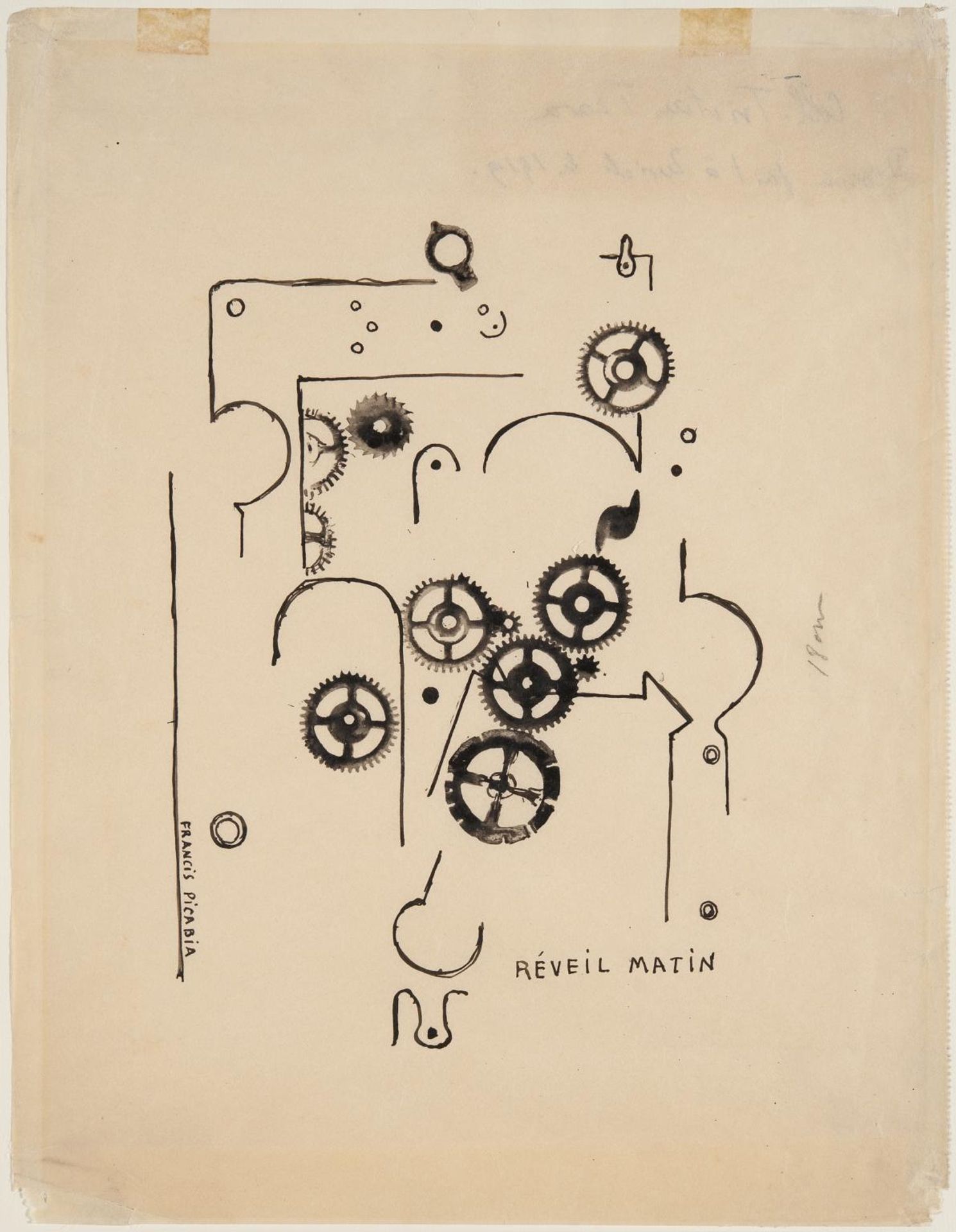
Alarm Clock


Listen to curator's interpretation
Curatorial notes
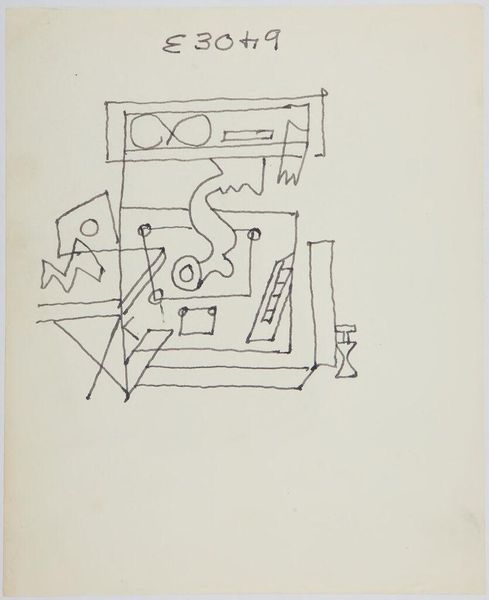
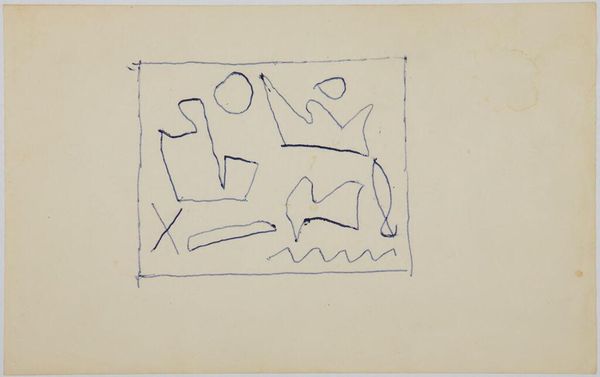
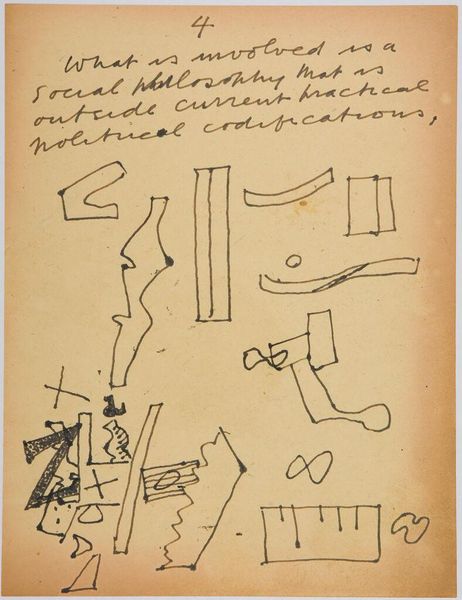
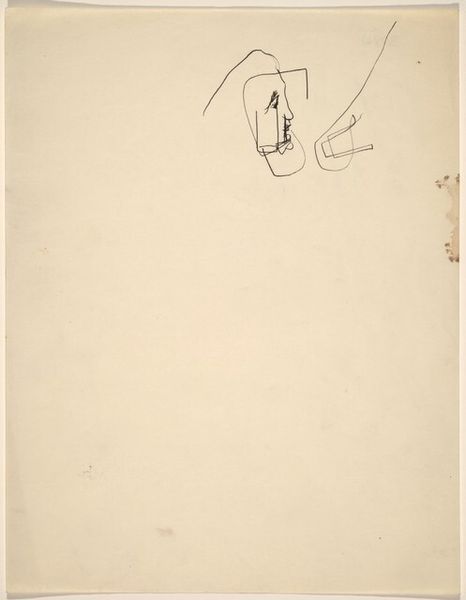
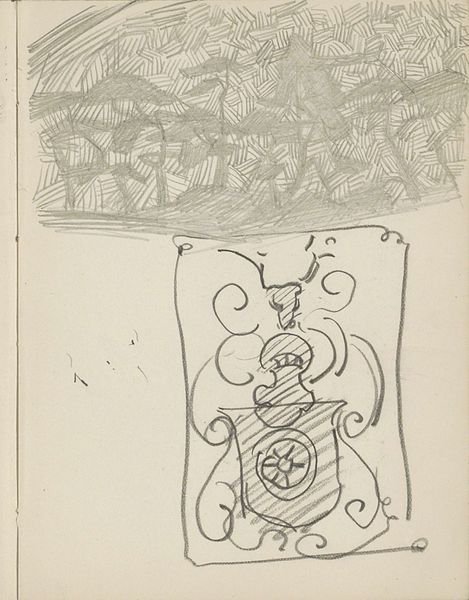
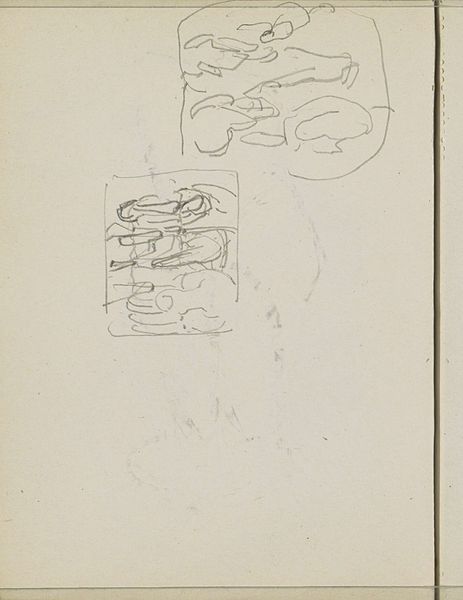
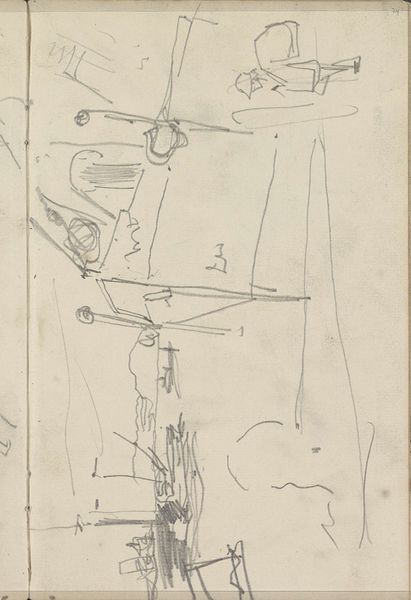
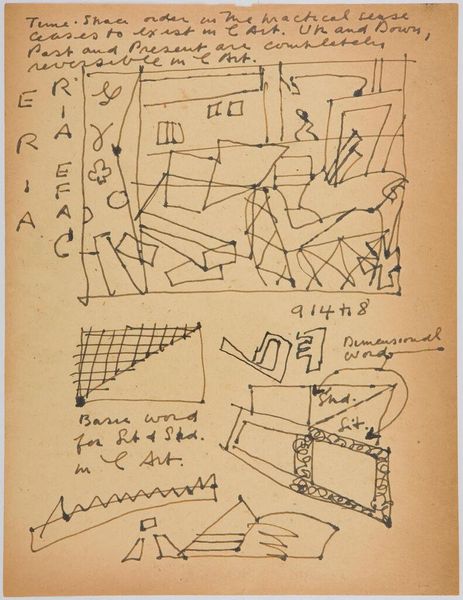
Editor: This is Francis Picabia's "Alarm Clock" from the Tate Collections. It's a whimsical drawing of clock gears and shapes. It reminds me a bit of a deconstructed face. What do you see in this piece? Curator: The clock, universally, marks the passage of time, mortality, and the rhythms of life. But Picabia presents a fragmented, almost chaotic representation. How does this fracturing of the clock's conventional form affect your understanding of its symbolism? Editor: It feels less about precision and more about the anxiety of time. The gears look like they're scattered randomly. Curator: Precisely. The alarm clock's purpose is to wake us, to disrupt our dreams. Picabia uses the clock's inherent symbolism to perhaps comment on the disruption of modern life. Does that reading resonate with you? Editor: It does. It feels less about waking up and more about being jolted awake. Thanks, that was really insightful!