1838
Boerderij

Eugène François de Block
1812 - 1893Location
RijksmuseumListen to curator's interpretation
Curatorial notes
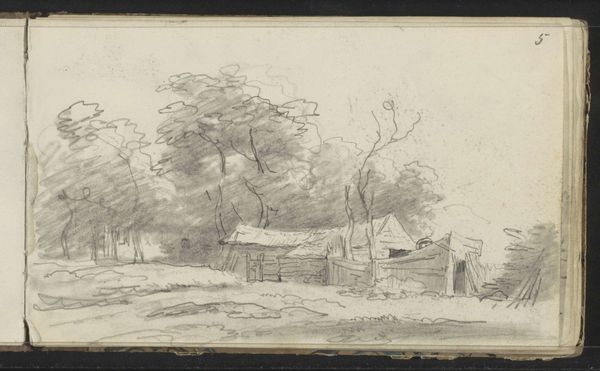
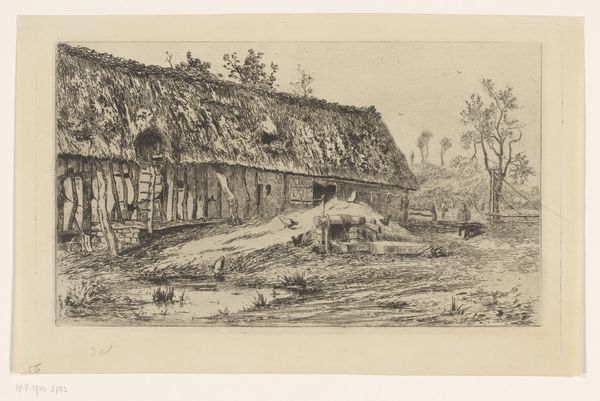
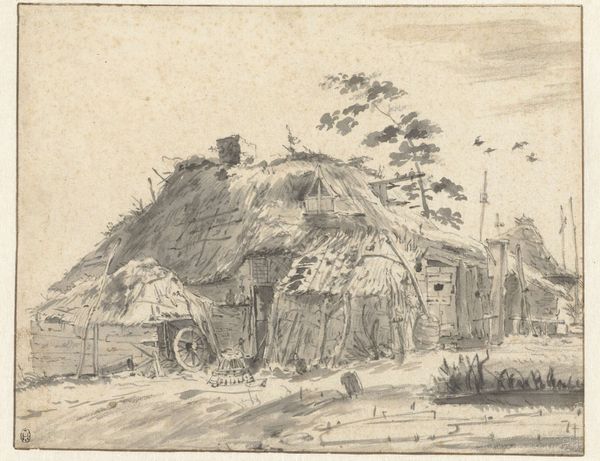
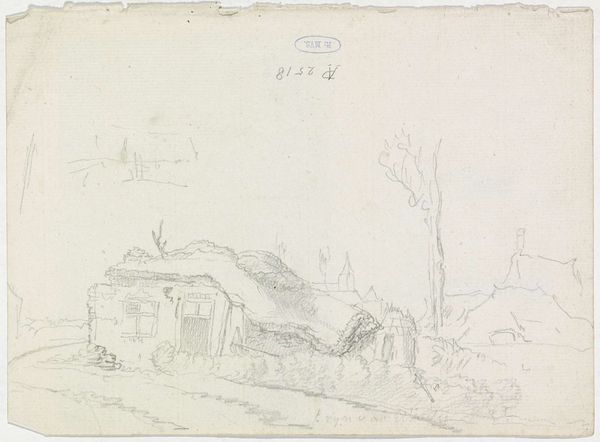
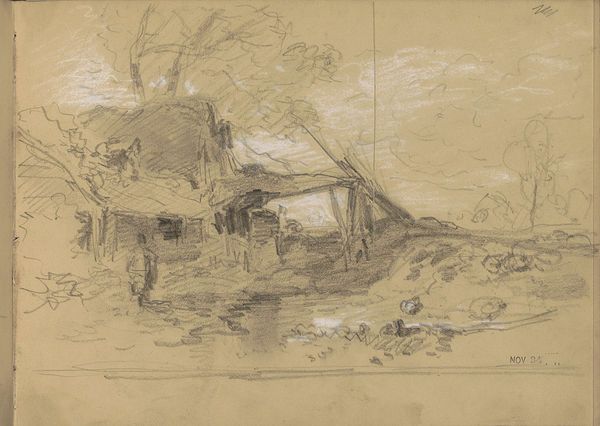
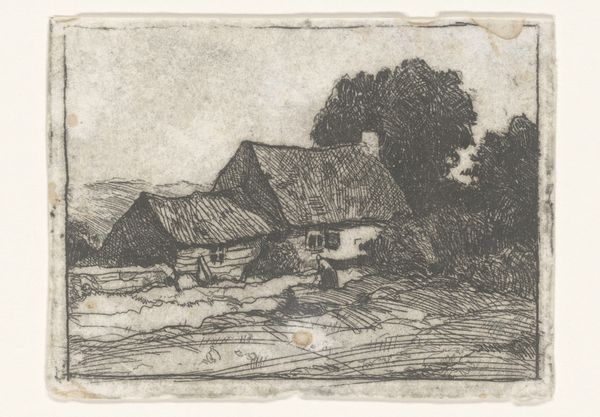
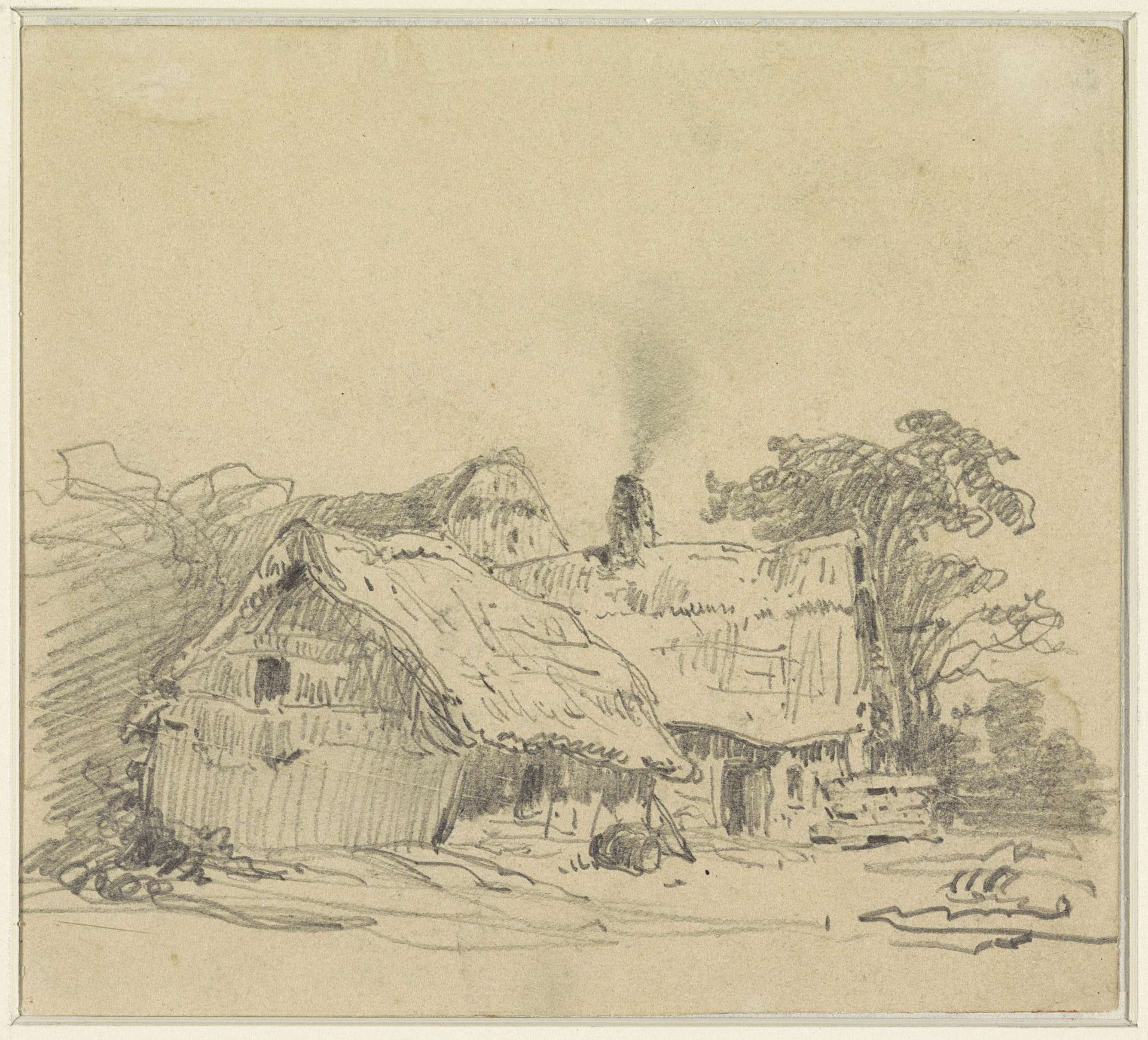
Eugène François de Block sketched this farm, or "boerderij," with pencil, capturing more than just a dwelling. Notice the rising smoke, a symbol ubiquitous across time—from hearths of ancient civilizations to modern factories—representing life, warmth, and human activity. Smoke appears as a signal in ancient Roman military campaigns, as well as in Renaissance allegories, symbolizing transient existence. In contrast, consider the solid, thatched roofs, reminiscent of enduring, rustic stability. These are cultural anchors, connecting us to ancestral ways of life. This duality – smoke's ephemerality versus the roof's steadfastness – reflects a profound psychological tension: our longing for permanence in an ever-changing world. The scene, therefore, isn't merely a landscape, but a stage for timeless human dramas, echoing through the corridors of history. It is an echo of mankind's psychological grappling with time, permanence, and change.