About this artwork
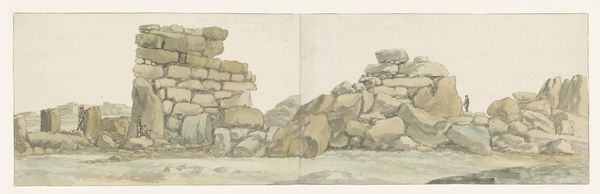
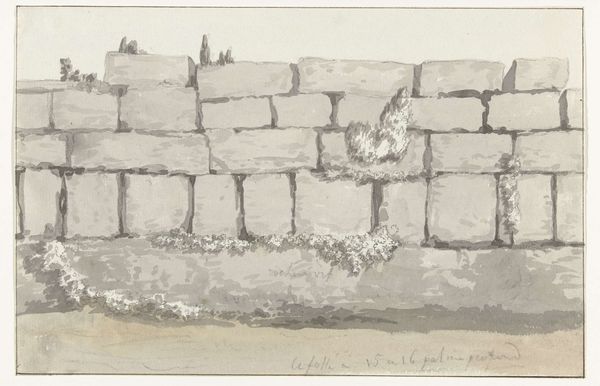
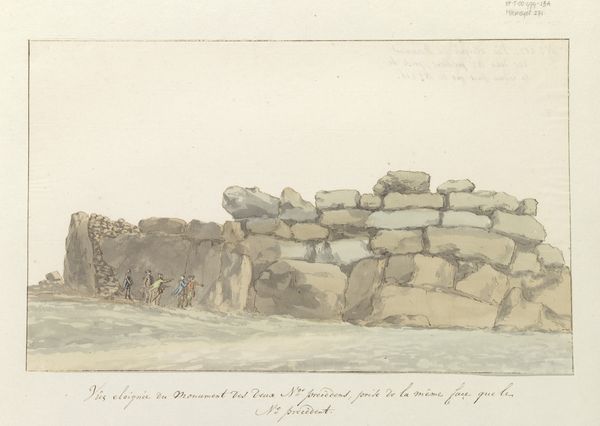
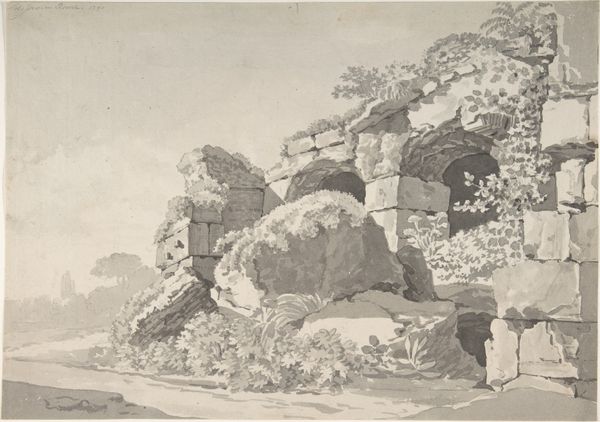
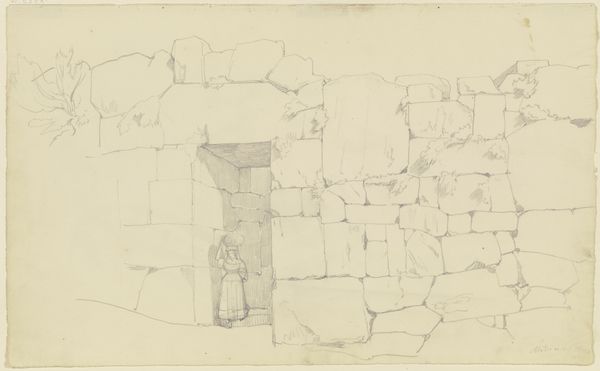
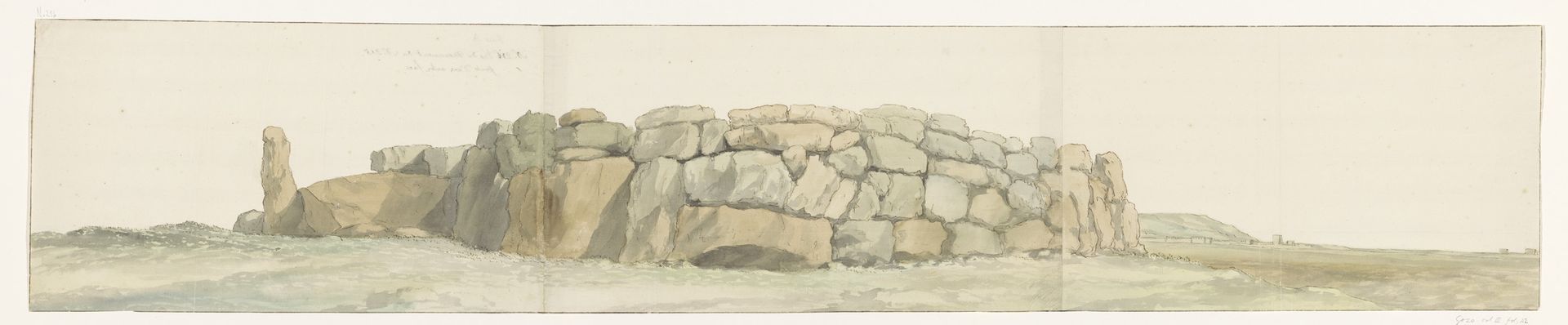
Louis Ducros made this watercolor painting of a monument on the island of Gozo. The artwork invites us to think about materials and processes beyond the traditional realm of painting. What are the modes of production that went into its creation? Ducros's watercolors capture the monument’s imposing presence, with the individual stones rendered in subtle washes of color. But the monument itself speaks to different kind of making. The monument is built from massive stone blocks, carefully fitted together to form a wall. The weight, texture, and form are all dictated by the inherent qualities of the stone, and the labor involved in quarrying, transporting, and placing such large blocks would have been immense. The construction demanded skill, planning, and likely a highly organized workforce. This raises questions about the society that built it, and the resources they commanded. Ultimately, the monument reminds us that understanding the material and the making is key to understanding the full story of an artwork.
Monument van Feniciërs of Carthagen op eiland Gozo vanaf ander gezichtspunt 1778

Louis Ducros
1748 - 1810Location
RijksmuseumArtwork details
- Medium
- painting, watercolor
- Dimensions
- height 215 mm, width 1115 mm
- Location
- Rijksmuseum
- Copyright
- Rijks Museum: Open Domain
Tags
neoclacissism
painting
landscape
watercolor
watercolour illustration
history-painting
Comments
No comments
About this artwork
Louis Ducros made this watercolor painting of a monument on the island of Gozo. The artwork invites us to think about materials and processes beyond the traditional realm of painting. What are the modes of production that went into its creation? Ducros's watercolors capture the monument’s imposing presence, with the individual stones rendered in subtle washes of color. But the monument itself speaks to different kind of making. The monument is built from massive stone blocks, carefully fitted together to form a wall. The weight, texture, and form are all dictated by the inherent qualities of the stone, and the labor involved in quarrying, transporting, and placing such large blocks would have been immense. The construction demanded skill, planning, and likely a highly organized workforce. This raises questions about the society that built it, and the resources they commanded. Ultimately, the monument reminds us that understanding the material and the making is key to understanding the full story of an artwork.
Comments
No comments