Copyright: CC0 1.0
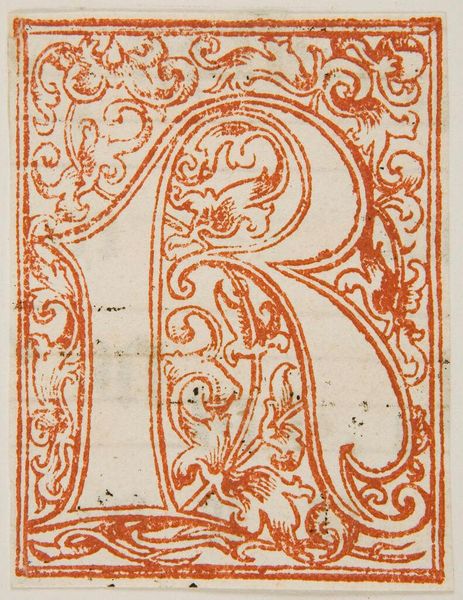
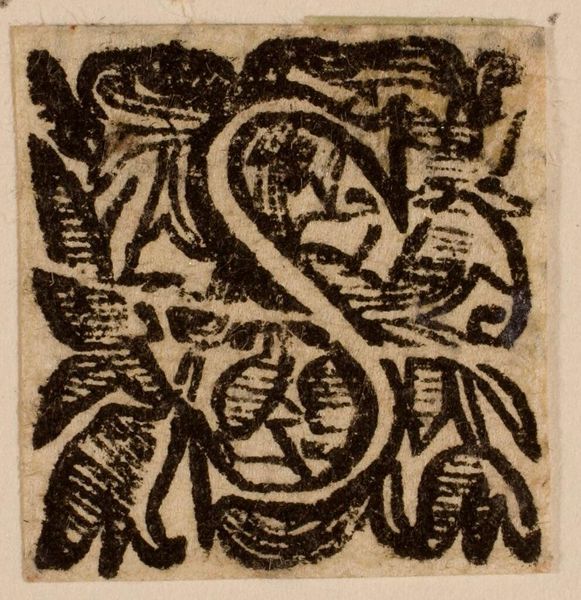
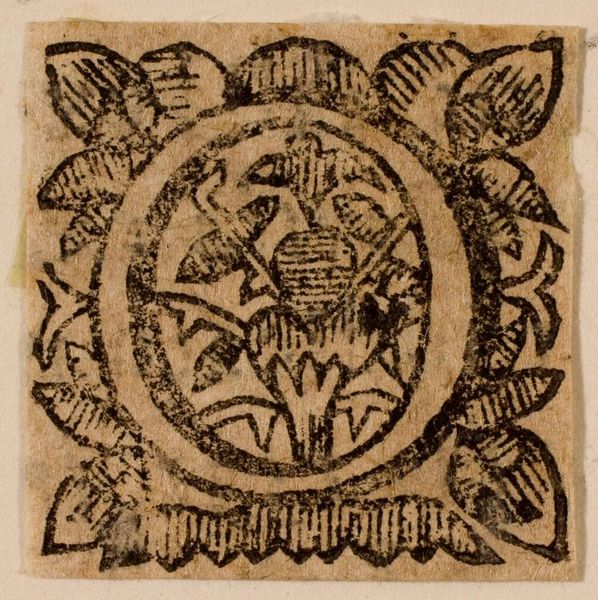
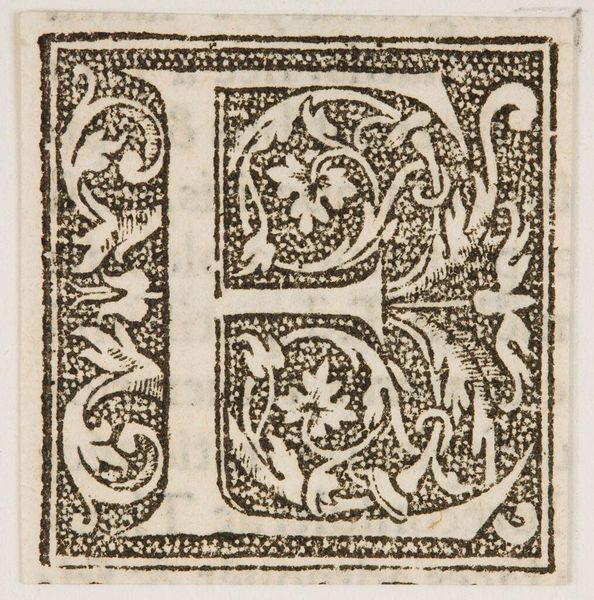
Curator: Let’s look at Serizawa Keisuke’s “Calender for 1951 Composed of Four Sheets,” residing here at the Harvard Art Museums. It’s an intriguing blend of the functional and the aesthetic. Editor: My first thought? It feels handmade, personal. Like a loving gift created to mark the passing of time in a beautiful way. Curator: Indeed. Serizawa was deeply invested in the mingei movement, which championed handcrafted art for everyday use. This calendar, then, is not just about marking dates. Editor: Right! It's about elevating the ordinary. Look at the floral patterns, the colors – they’re not mass-produced; they're intentional, soulful. A celebration of craft. Curator: Exactly. It emphasizes the value of labor, of mindful production against the rise of industrialization. The materials themselves speak to this philosophy. Editor: I love how it blends Japanese aesthetics with the practicality of a Western calendar. It's a quiet, lovely merging of worlds. Curator: It makes one consider the daily rhythms of life, doesn't it? Editor: Absolutely. This calendar reminds me to savor each day, to find beauty in the mundane, and value the work of human hands.
Comments
No comments
Be the first to comment and join the conversation on the ultimate creative platform.
 Collect
 React
React Comment
More like this