1949 - 1950
Early New York City 1


Listen to curator's interpretation
Curatorial notes
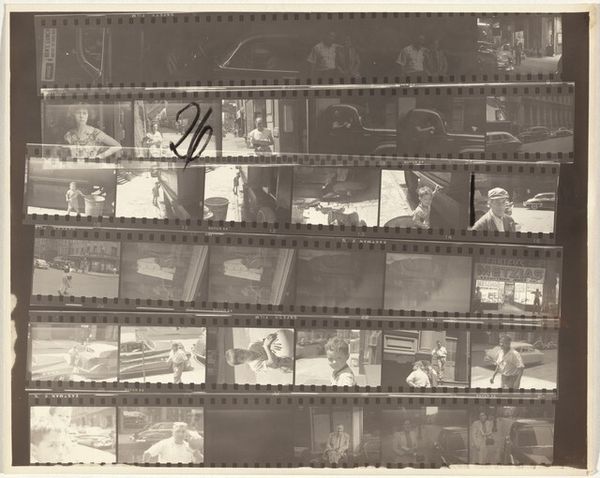
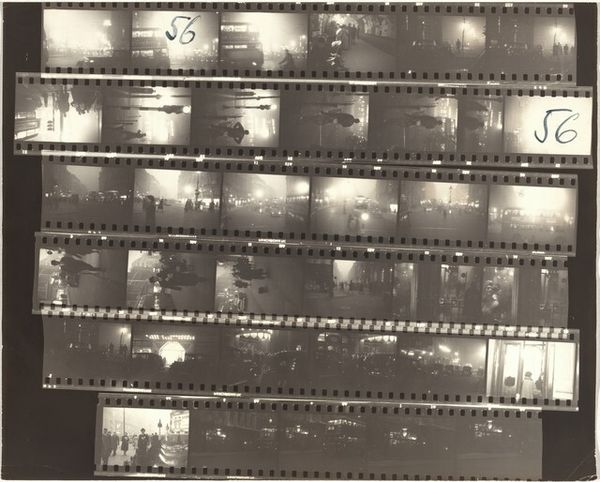
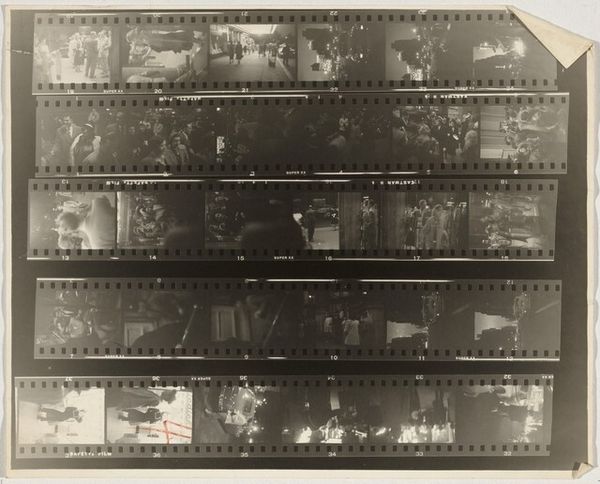
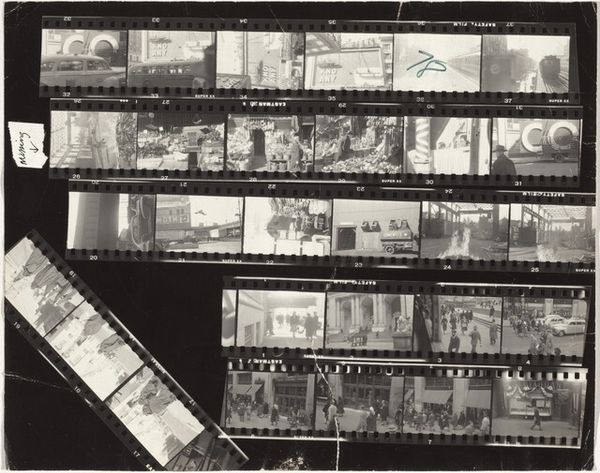
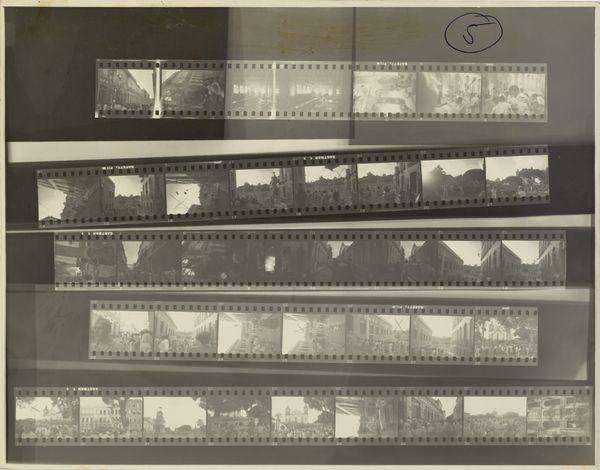
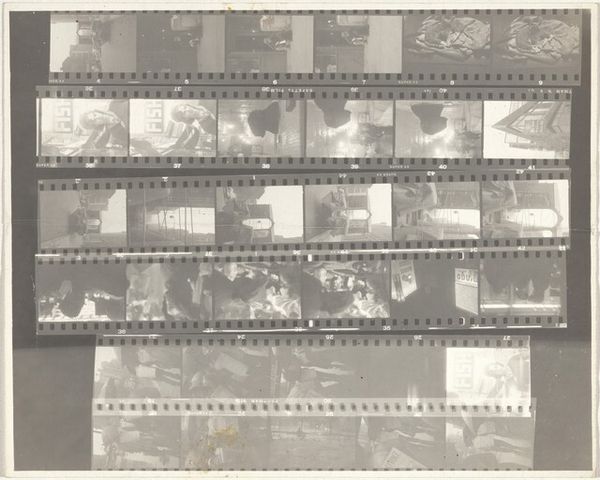
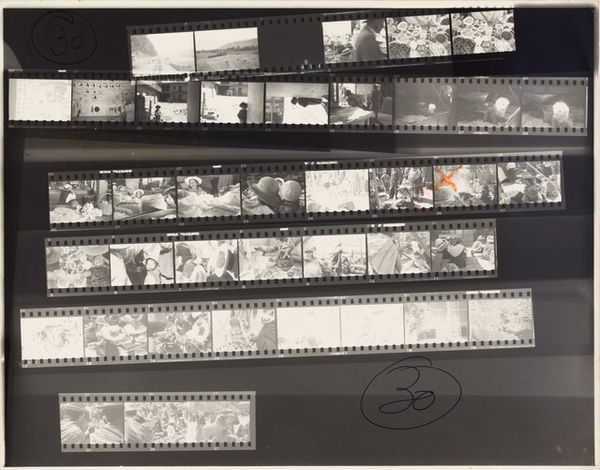
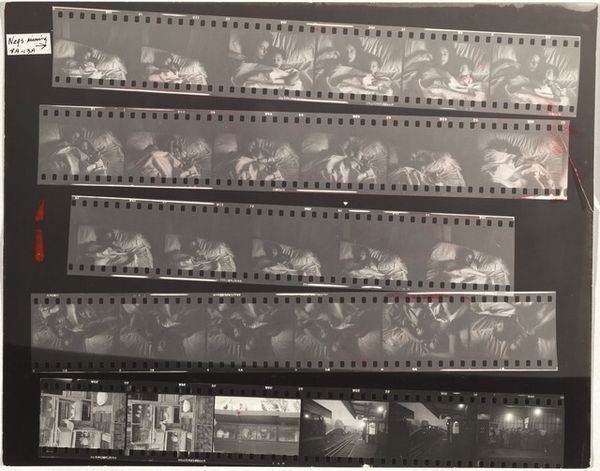
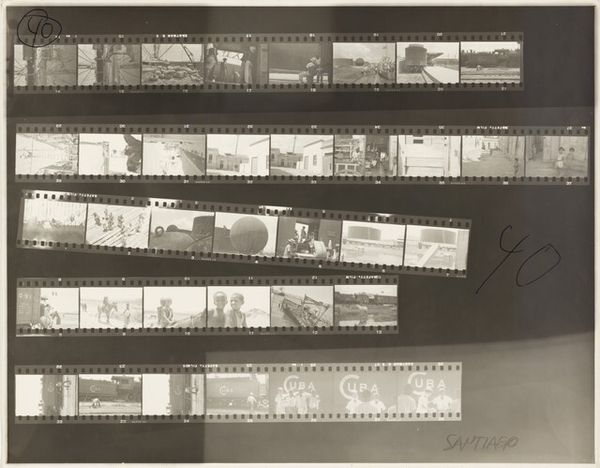
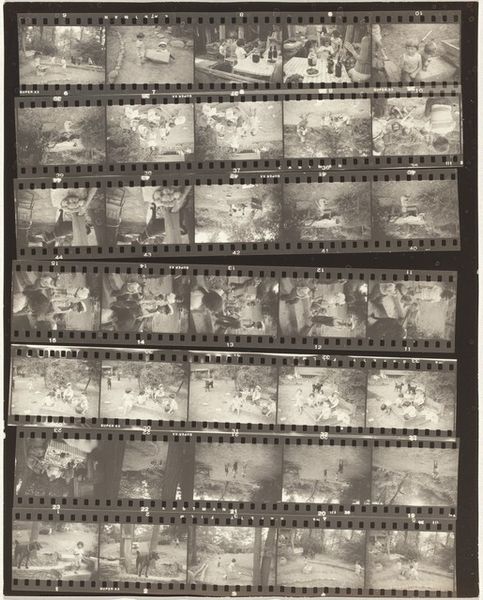
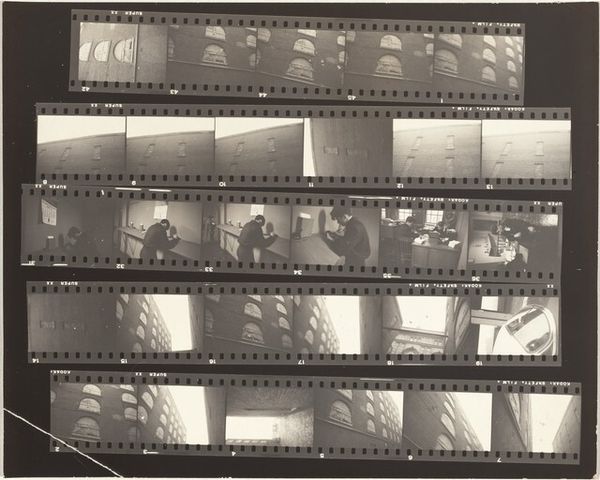
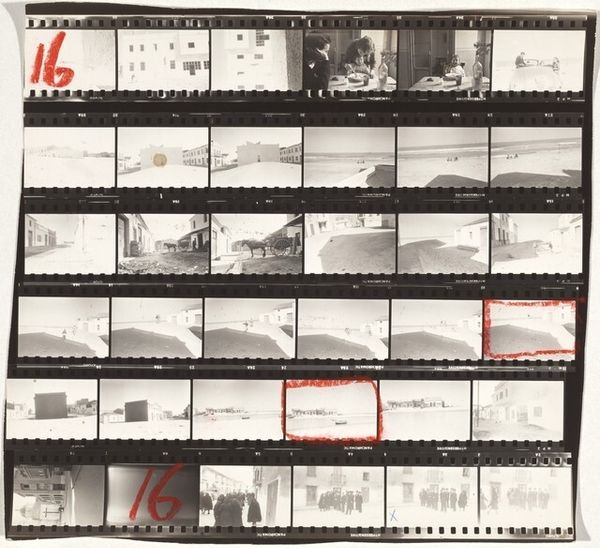
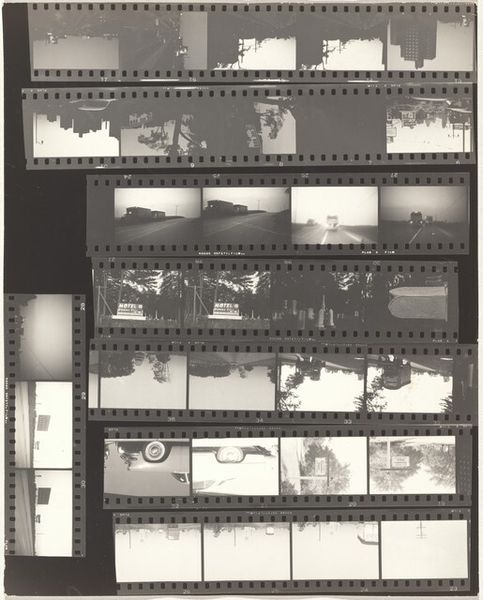
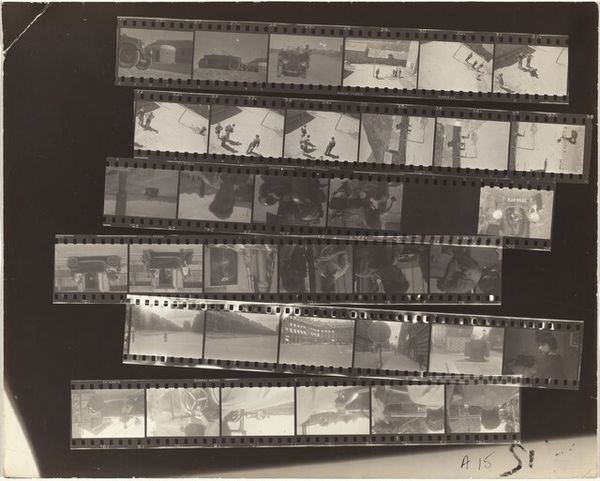
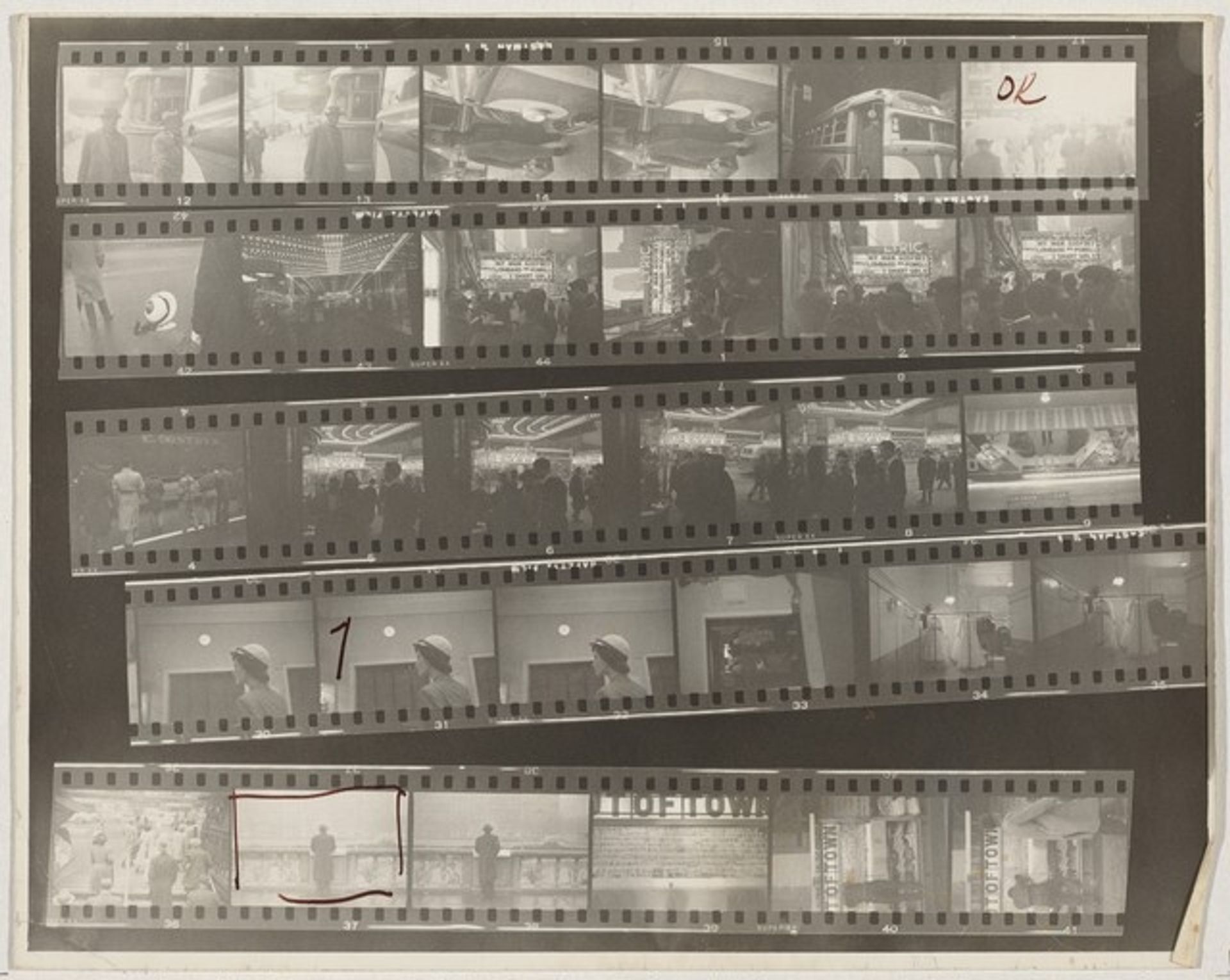
Robert Frank's "Early New York City 1" presents a series of black and white film strips. The composition is striking; the eye is drawn across the frames, each offering a fragmented narrative of urban life. The grainy texture and stark contrast create a sense of immediacy, almost like a visual diary. Frank's work here can be seen as a semiotic study of New York. Each frame acts as a sign, hinting at stories beyond the visible. The sequencing is crucial; it disrupts a singular reading, instead offering multiple perspectives and challenging fixed meanings. This technique aligns with poststructuralist ideas of deconstruction, questioning the stability of meaning itself. Consider the formal structure: the grid-like arrangement of the strips, the interplay of light and shadow, the repetition of certain motifs. These elements function not just aesthetically, but also as a commentary on the fragmented, multi-layered experience of modern life. Ultimately, Frank invites us to question, to interpret, and to find our own narrative within the visual structures he presents.