About this artwork
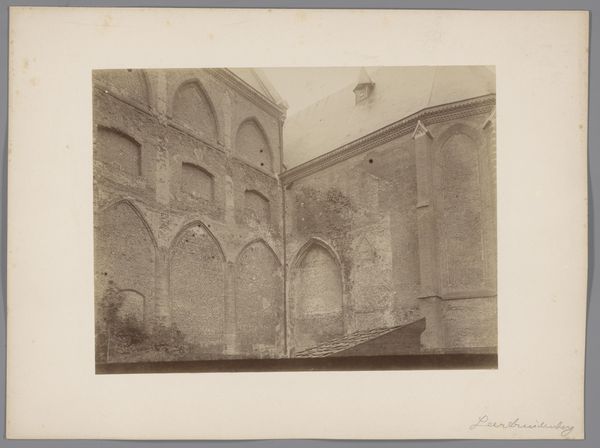
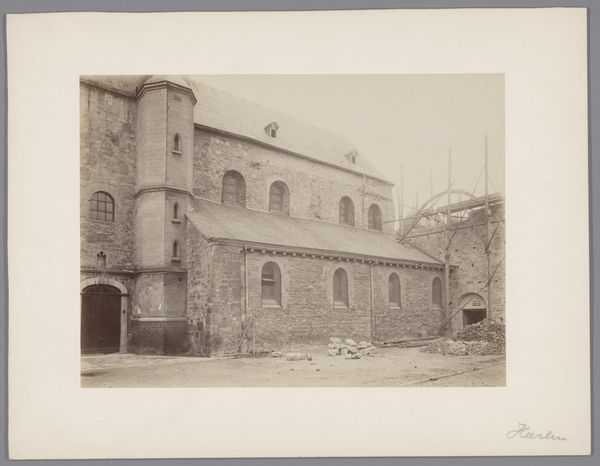
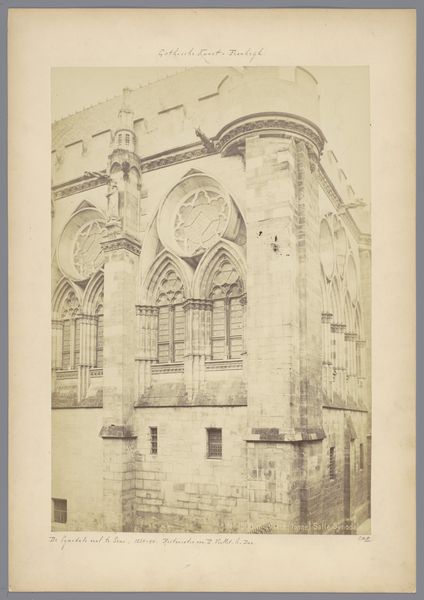
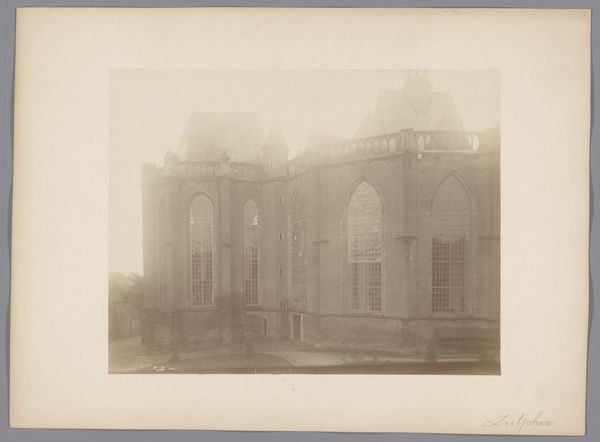
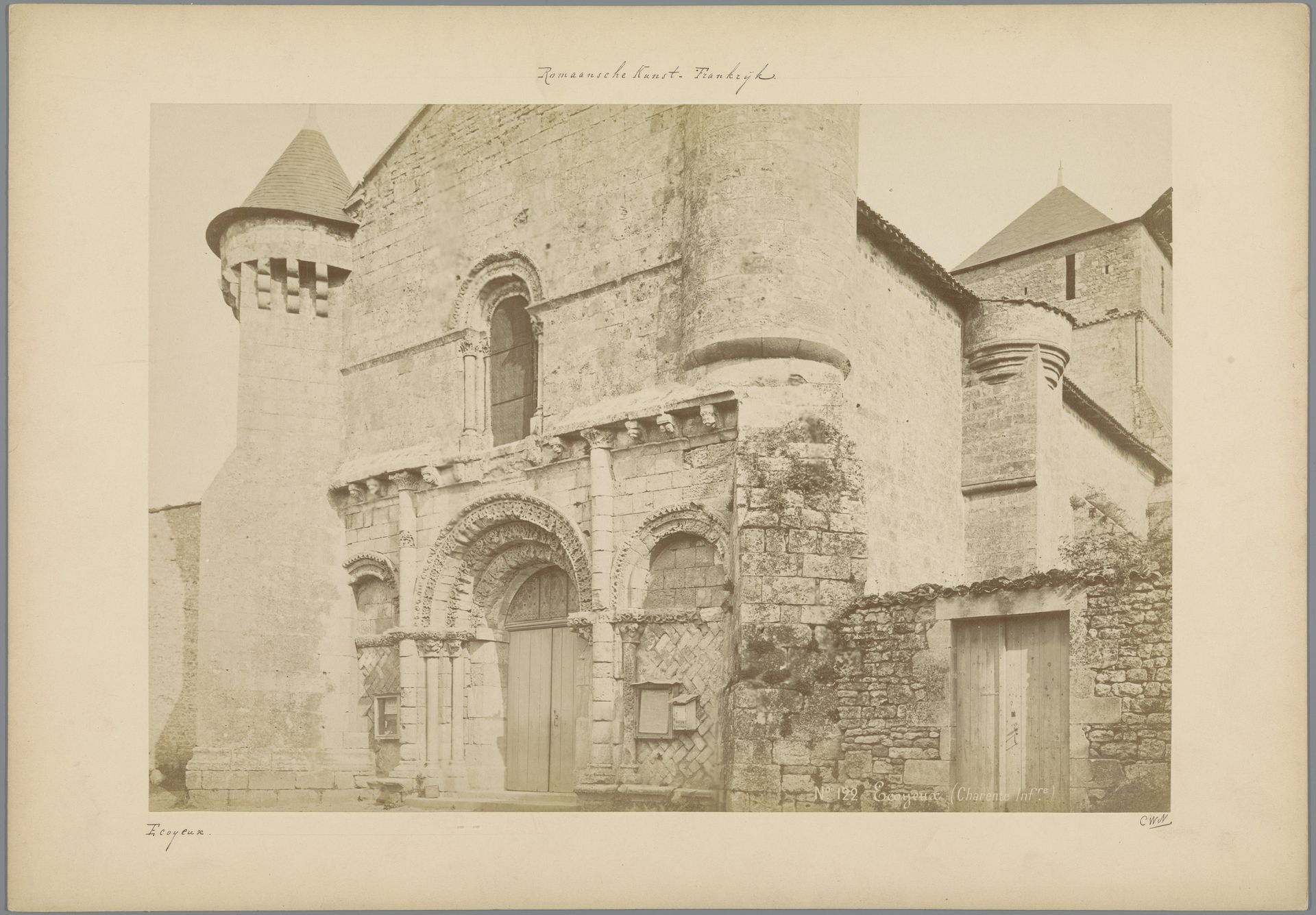
Médéric Mieusement created this photograph of the facade of Saint-Vivien church in Écoyeux, France, sometime in the late 19th century. Mieusement was commissioned by the French government to document France's architectural heritage, reflecting a broader 19th-century concern with national identity and the preservation of historical sites. This church, with its Romanesque architecture, would have been seen as embodying France's rich history. The choice of photography as a medium is itself interesting. Photography was becoming increasingly popular, offering a seemingly objective way to record the world. However, photographers like Mieusement made choices about composition, lighting, and focus that reflected their own artistic and cultural perspectives. By examining such images alongside archival documents and architectural histories, we gain insight into the complex relationship between art, national identity, and institutional power.
Voorgevel van de kerk Saint-Vivien te Écoyeux
c. 1875 - 1900

Médéric Mieusement
1840 - 1905Location
RijksmuseumArtwork details
- Medium
- print, photography, site-specific, gelatin-silver-print, architecture
- Dimensions
- height 242 mm, width 350 mm
- Location
- Rijksmuseum
- Copyright
- Rijks Museum: Open Domain
Tags
Comments
Share your thoughts
About this artwork
Médéric Mieusement created this photograph of the facade of Saint-Vivien church in Écoyeux, France, sometime in the late 19th century. Mieusement was commissioned by the French government to document France's architectural heritage, reflecting a broader 19th-century concern with national identity and the preservation of historical sites. This church, with its Romanesque architecture, would have been seen as embodying France's rich history. The choice of photography as a medium is itself interesting. Photography was becoming increasingly popular, offering a seemingly objective way to record the world. However, photographers like Mieusement made choices about composition, lighting, and focus that reflected their own artistic and cultural perspectives. By examining such images alongside archival documents and architectural histories, we gain insight into the complex relationship between art, national identity, and institutional power.
Comments
Share your thoughts