About this artwork
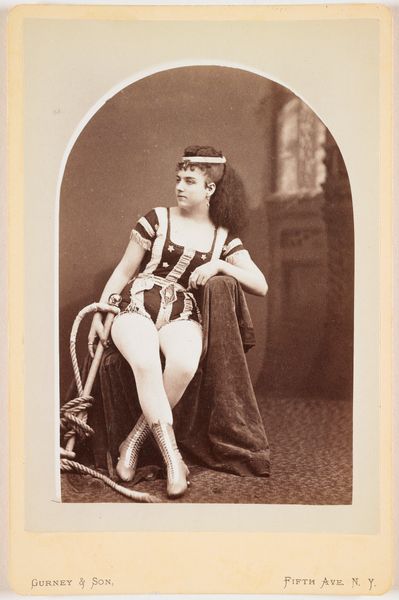
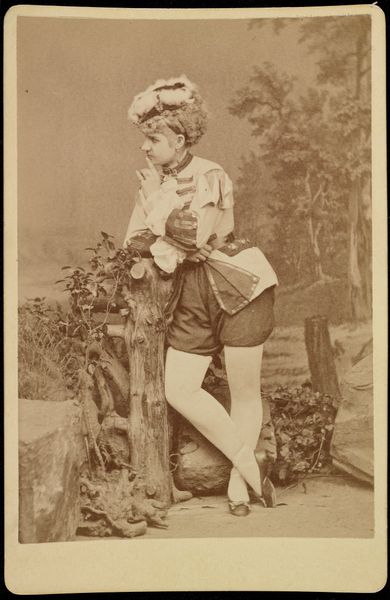
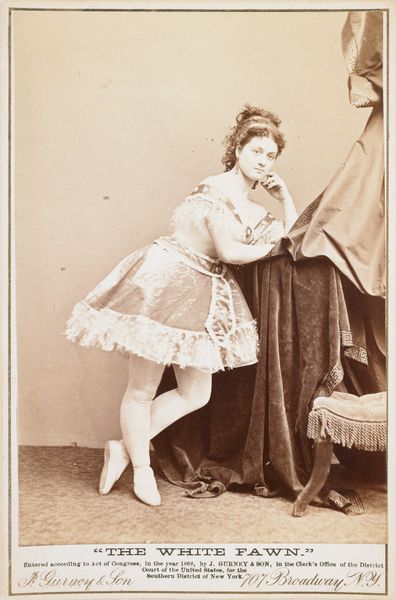
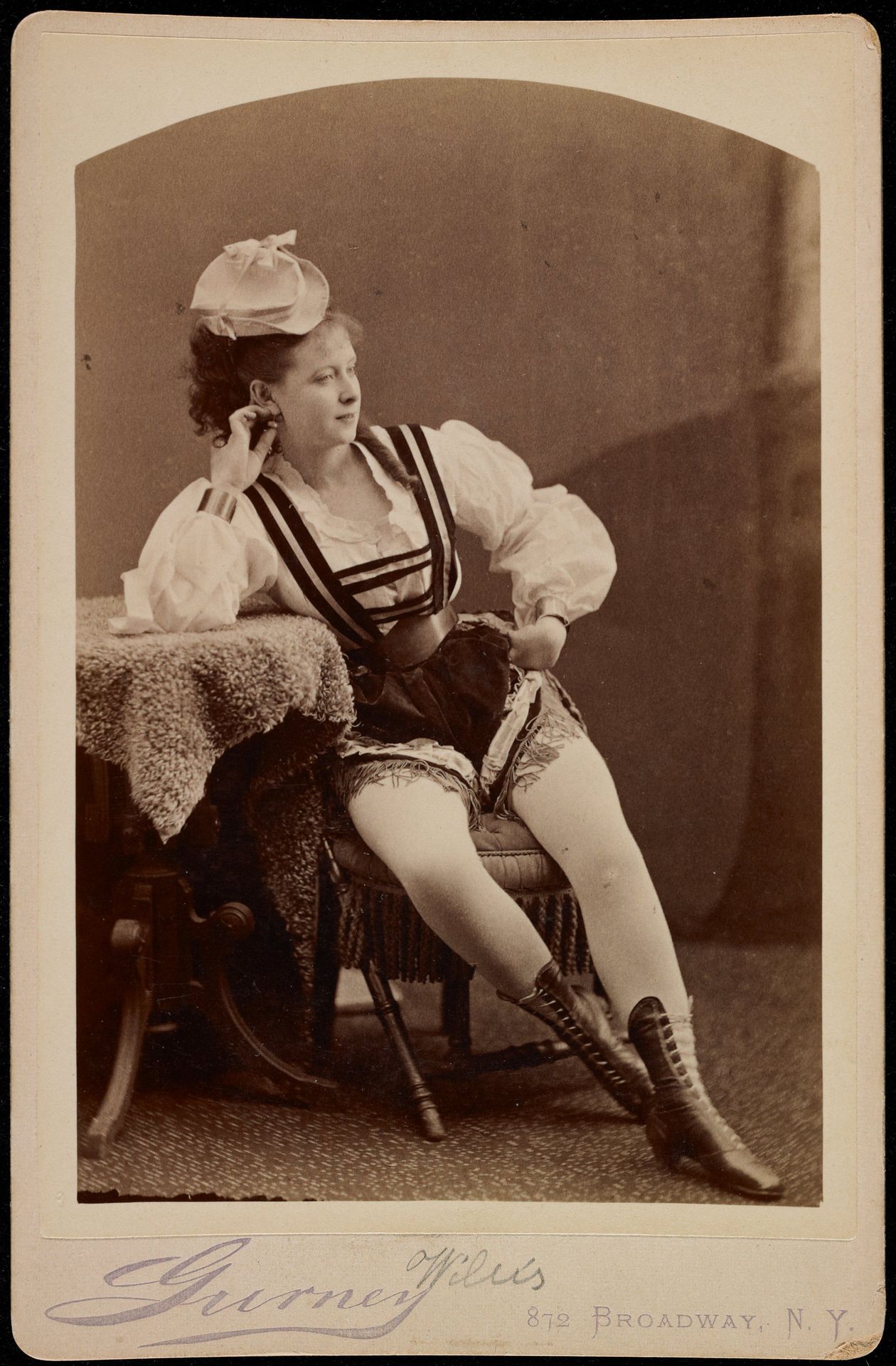
This photograph, titled "Willis," was created by Jeremiah Gurney, a prominent New York photographer, using the wet collodion process. This technique, popular in the mid-19th century, involved coating a glass plate with light-sensitive chemicals, exposing it in the camera while still wet, and then developing it immediately. The resulting image, a warm sepia tone, captures not only the sitter's likeness but also the material reality of the era. The texture of her clothing, the sheen of her boots, and the subtle tonal gradations all speak to the specific material culture of the time. The wet collodion process, though demanding, allowed for mass production of images, reflecting the rise of consumerism and the increasing accessibility of photography to a wider audience. Consider the labor involved: the photographer's skill in manipulating chemicals and equipment, the sitter's time and resources to commission a portrait. In its own way, the photograph is a document of its time and the social context in which it was created. Through understanding materials, making, and context, we can appreciate how much images like this one can tell us about a specific moment in history.
Willis c. 1875


Artwork details
- Medium
- photography, gelatin-silver-print
- Dimensions
- 5 3/8 x 3 9/16 in. (13.65 x 9.05 cm) (image)6 3/8 x 4 3/16 in. (16.19 x 10.64 cm) (mount)
- Location
- Minneapolis Institute of Art
- Copyright
- Public Domain
Tags
portrait
print photography
16_19th-century
figuration
photography
historical photography
old-timey
framed image
gelatin-silver-print
19th century
united-states
nude
erotic-art
Comments
No comments
About this artwork
This photograph, titled "Willis," was created by Jeremiah Gurney, a prominent New York photographer, using the wet collodion process. This technique, popular in the mid-19th century, involved coating a glass plate with light-sensitive chemicals, exposing it in the camera while still wet, and then developing it immediately. The resulting image, a warm sepia tone, captures not only the sitter's likeness but also the material reality of the era. The texture of her clothing, the sheen of her boots, and the subtle tonal gradations all speak to the specific material culture of the time. The wet collodion process, though demanding, allowed for mass production of images, reflecting the rise of consumerism and the increasing accessibility of photography to a wider audience. Consider the labor involved: the photographer's skill in manipulating chemicals and equipment, the sitter's time and resources to commission a portrait. In its own way, the photograph is a document of its time and the social context in which it was created. Through understanding materials, making, and context, we can appreciate how much images like this one can tell us about a specific moment in history.
Comments
No comments