c. 1850 - 1880
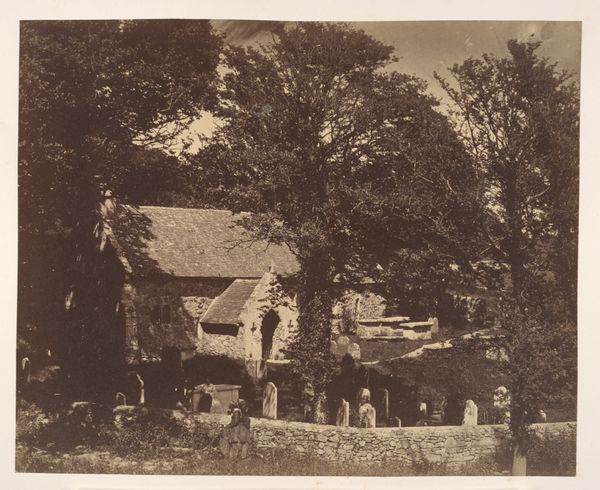
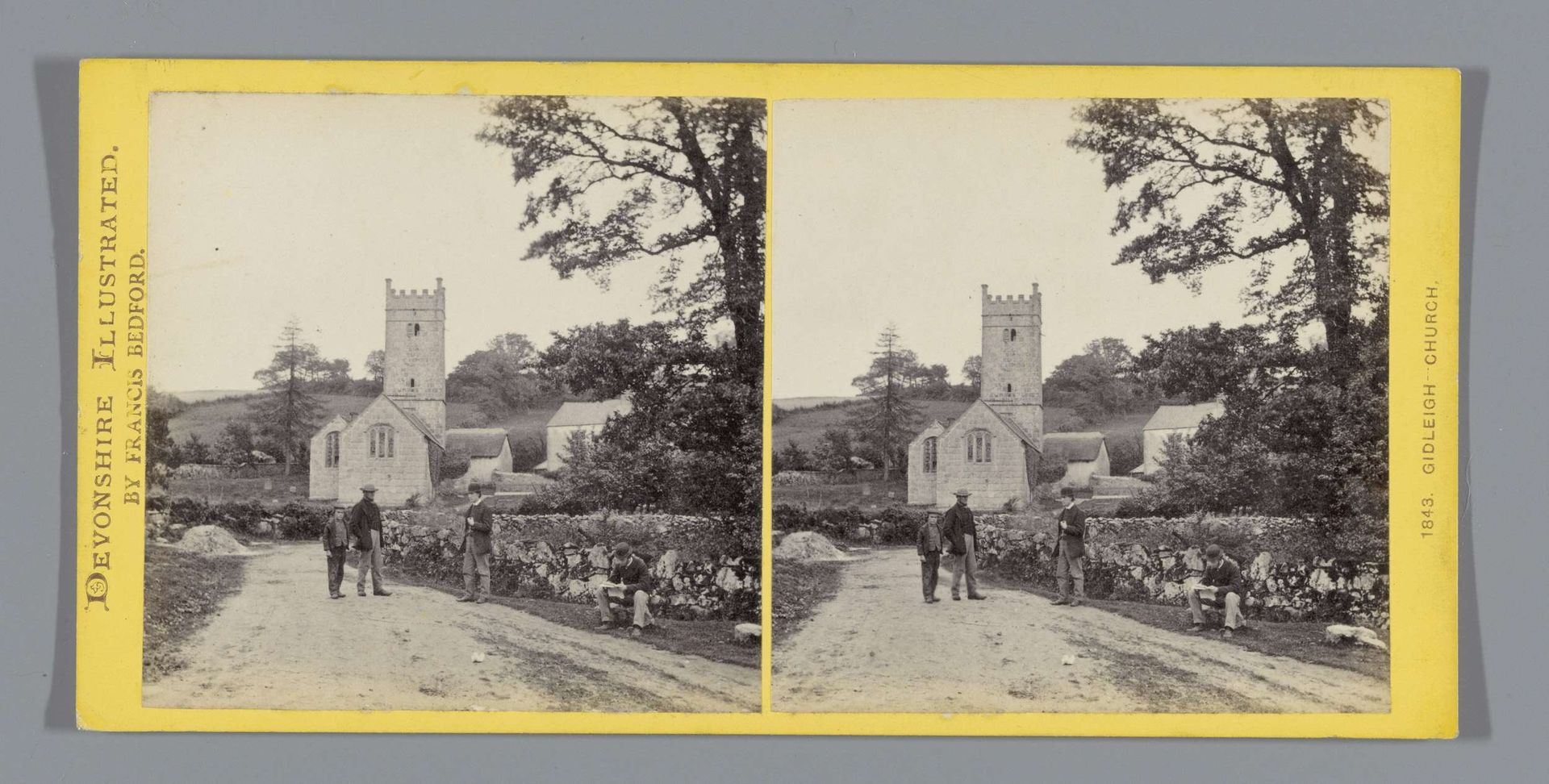
Gezicht op de Holy Trinity Church te Gidleigh

Listen to curator's interpretation
Curatorial notes
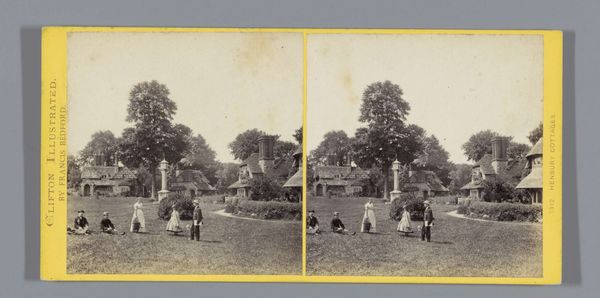
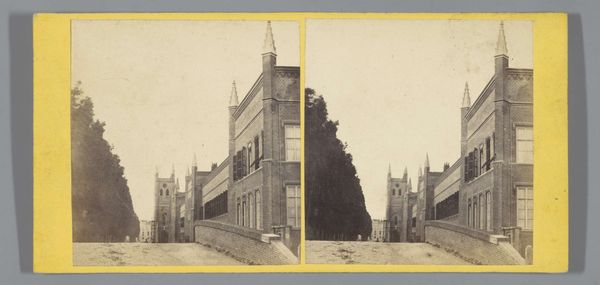
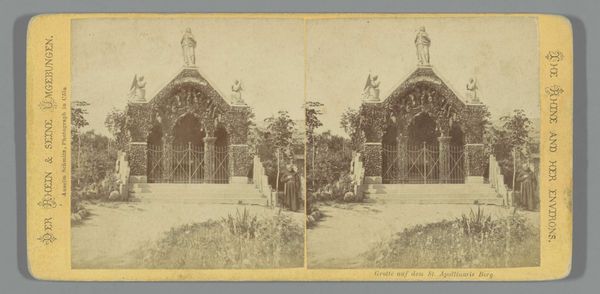
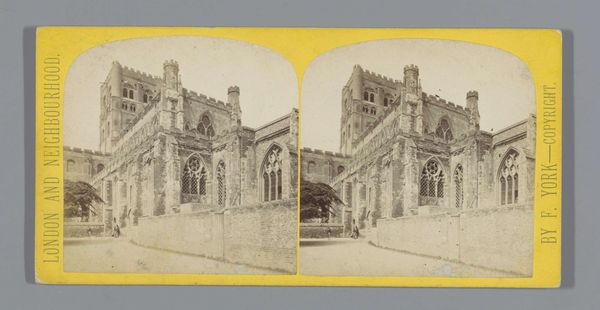
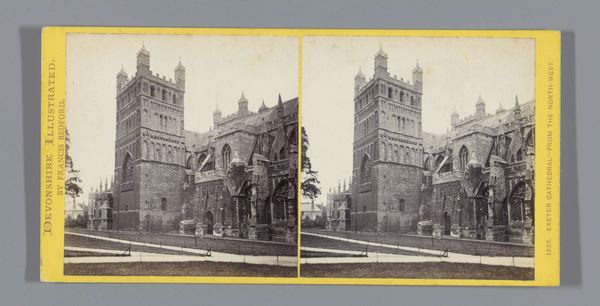
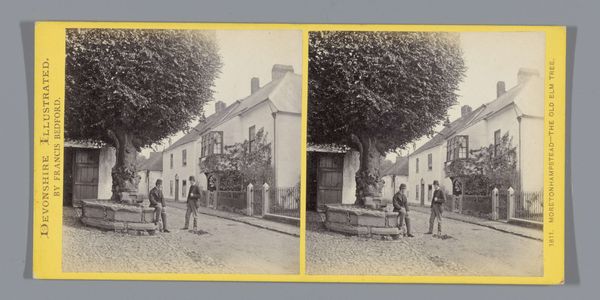
This stereoscopic photograph of the Holy Trinity Church at Gidleigh was created by Francis Bedford. The albumen print is made from a solution of egg whites and silver nitrate applied to paper, creating a light-sensitive surface. To make a stereograph like this one, Bedford would have used a camera with two lenses, producing two nearly identical images simultaneously. When viewed through a stereoscope, the combined images create a single three-dimensional view. This was a popular form of Victorian entertainment, offering a sense of immersion in faraway places or, as in this case, an English village scene. The commercial production of photographs like this one was labor-intensive, and helped create a visual culture for a rising middle class hungry for images. By embracing this new technology, Bedford blurred the lines between art, industry, and commerce, contributing to a shift in how we perceive and consume images. It reminds us that even seemingly simple images are products of complex social and economic forces.