1652 - 1725
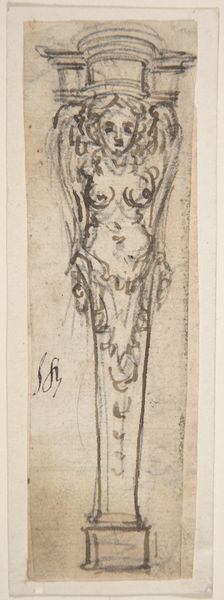
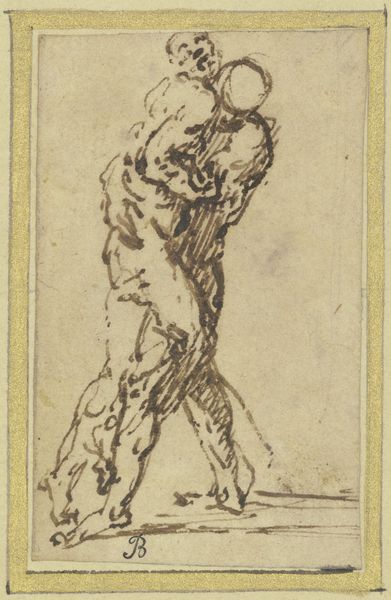
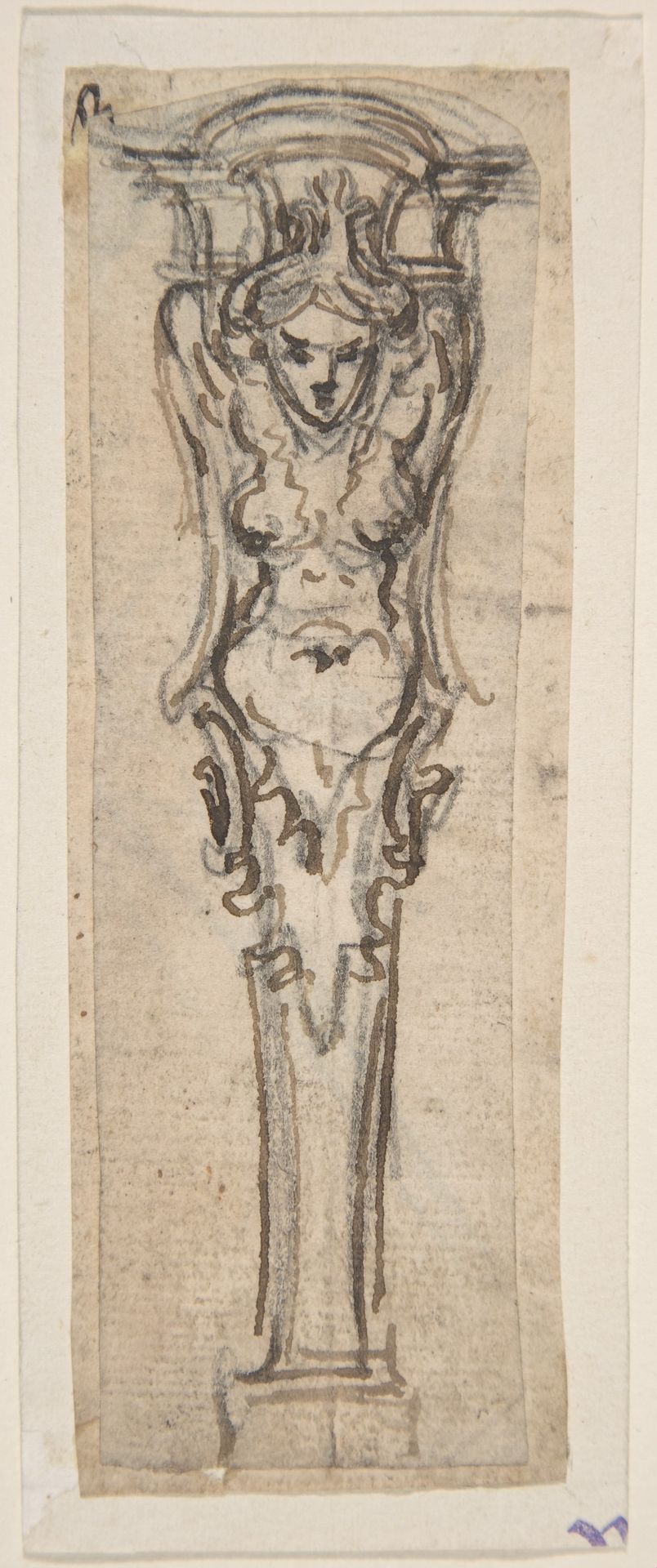
Design for a Term shaped like a Winged Female Figure

Giovanni Battista Foggini
1652 - 1725
The Metropolitan Museum of Art
Metropolitan Museum of Art, New York, NYListen to curator's interpretation
Curatorial notes
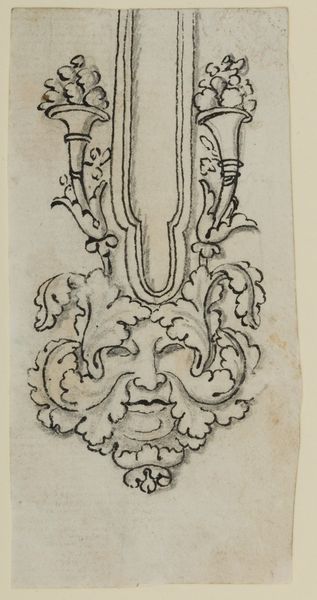
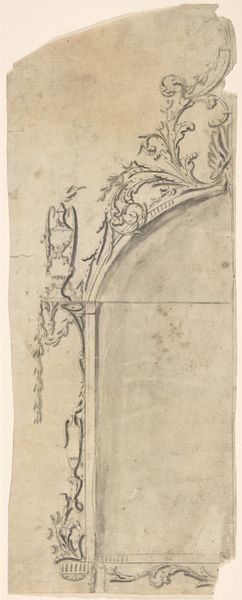
This is Giovanni Battista Foggini’s sketch of a winged female figure, made with pen and brown ink. The sketch presents a figure holding up an archway on her head. Note how Foggini's term draws upon classical forms, such as the caryatid, where female figures support architectural structures. This motif hearkens back to ancient Greece, where the female form was used to uphold temples, embodying strength, and serving as both a structural and symbolic element. Consider how this image contrasts with ancient winged figures, like the Mesopotamian Lamassu, which served as guardians, often with imposing strength. The term shows the female figure as an Atlantid, a pillar, in this case a decorative one. This draws on the collective memory, of the burden-bearer; an archetype of strength, resilience, and sacrifice. Through this image, Foggini has tapped into an enduring symbol that is emotionally compelling. The motif of the burden-bearer continues to resurface, adapting to various cultural narratives, proving that these symbols undergo constant evolution and adaptation.