painting, oil-paint
#
portrait
#
baroque
#
portrait
#
painting
#
oil-paint
#
figuration
#
history-painting
#
realism
Dimensions: 17.5 cm (height) x 13.5 cm (width) (Netto)
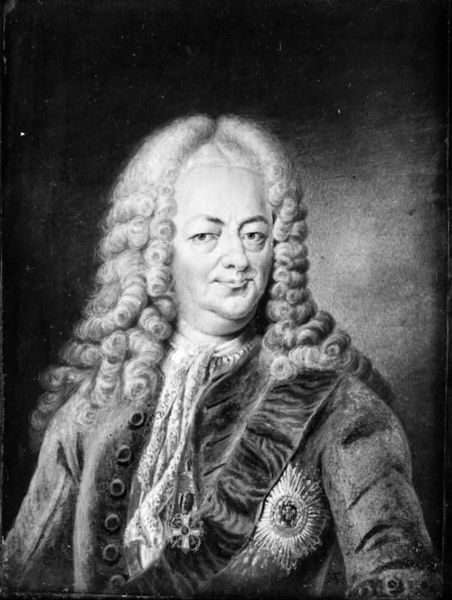
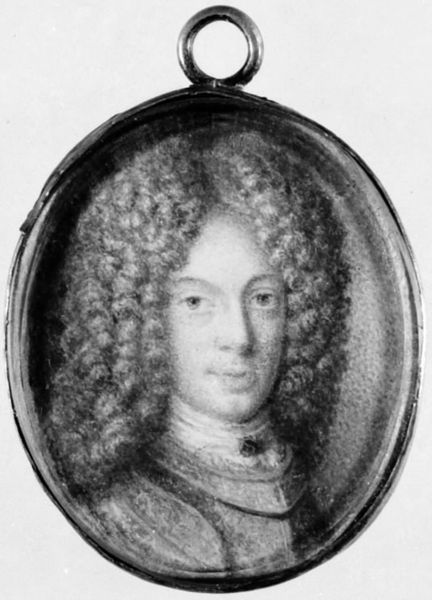
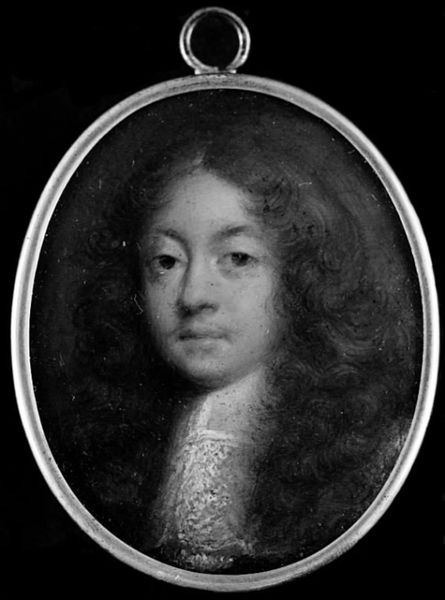
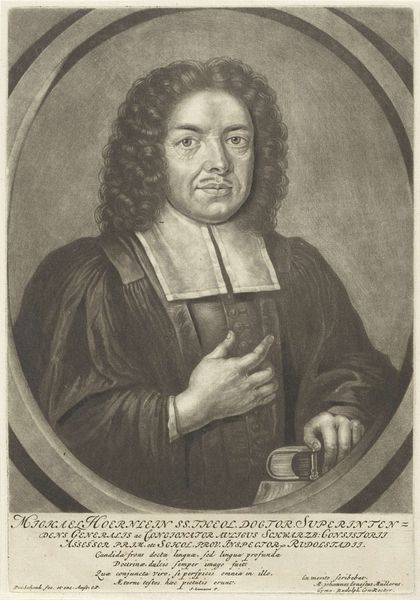
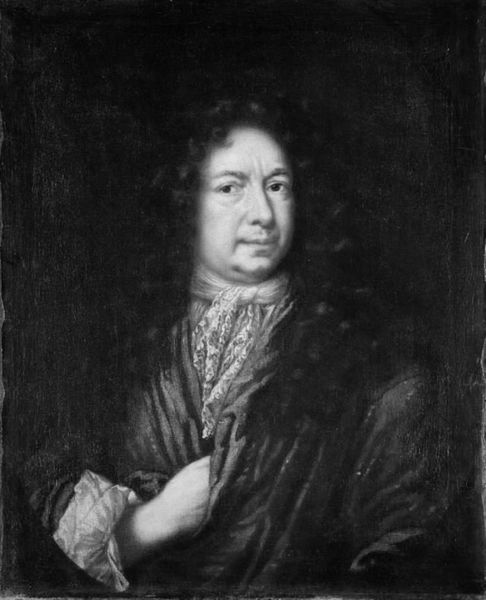
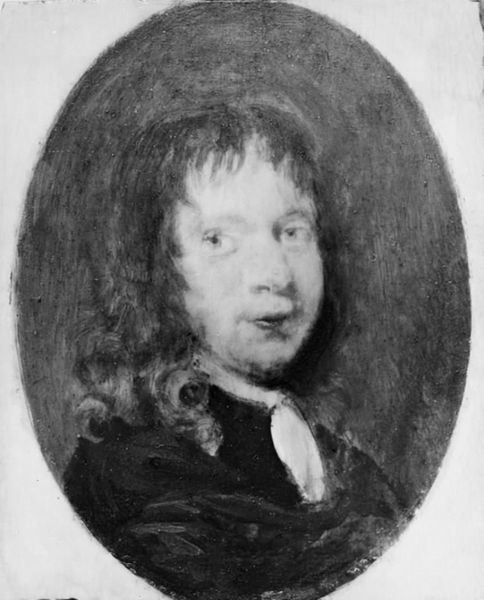
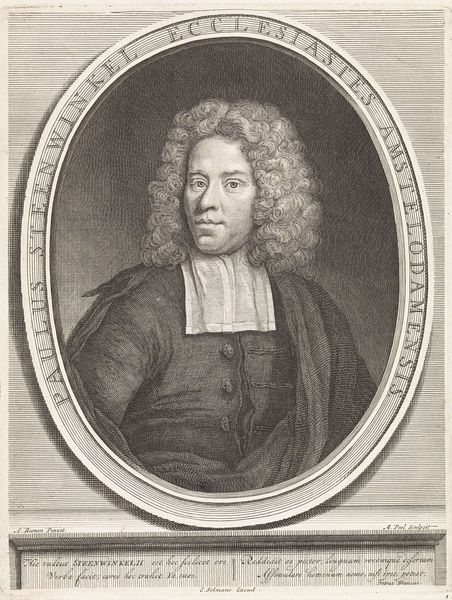
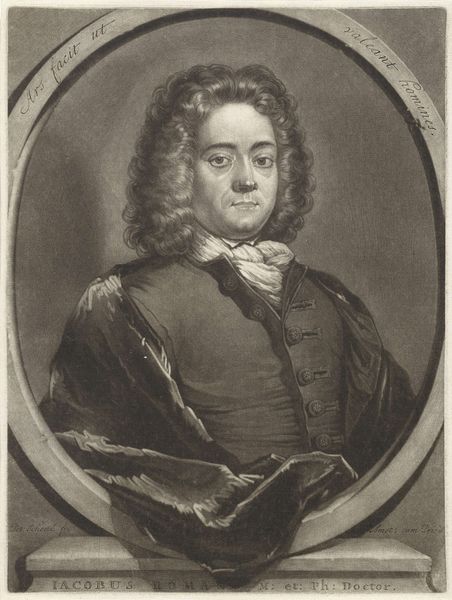
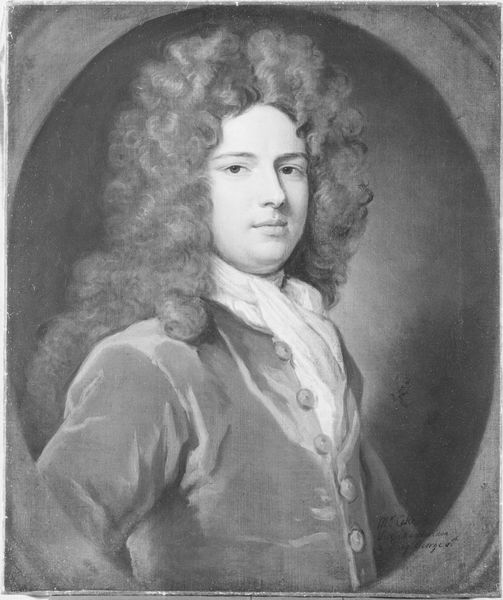
Curator: Here we have a striking, if somewhat worn, 17th-century portrait of a man. It's part of the collection here at the SMK, but the artist sadly remains anonymous. Editor: Immediately, the eyes strike me. The subject’s intense, almost challenging, gaze, the monochromatic tonality of the paint and the textures of his ruff, all contribute to a remarkably intimate study. Curator: Intimacy in portraiture of this period often signifies power and class, but it also is used to demonstrate emerging ideals surrounding the individual during the post-reformation period. Look closely at his attire. Does his dress communicate power? Editor: Yes and no, while it signals wealth through its embellishments, there is a sense of understated elegance in comparison with other aristocratic portraits. The somber palette concentrates visual weight to his expression rather than his clothing. The artist has an undeniable gift for depicting lifelike form! The sharp detail that defines the face contrasts to what seems a rushed quality to the way his ornate doublet is rendered. Curator: You touch on a significant point! Consider the evolving status of portraiture within society and how a work like this reflects shifts in representation and perhaps democratizing ideas regarding art ownership and patronage, compared to prior eras, in which portraiture existed almost exclusively as propaganda. Is there also some symbolism associated with the style and even the cut of his clothing? Editor: Absolutely, although the muted color scheme does feel restrained by typical Baroque extravagance. There is still dynamism! Note the strong contrasts between the darker background and the lighter complexion, directing visual interest to the sitter's face. Even the rough-hewn rendering creates this interesting tension. Curator: It’s a visual dichotomy emblematic of the period's burgeoning sense of individualism amidst rigid social norms. What assumptions, however well-founded, can we make about our sitter when we strip back what appears in this portrait to bare historical concepts about the self, identity, and status. Editor: It is a dance, this push and pull. As a totality, the composition conveys a blend of severity and expressiveness, compelling the viewer to explore the duality of this sitter, this period. The gaze suggests a complex, perhaps even conflicted, inner life, regardless of the wealth displayed. Curator: So well articulated! It highlights the crucial dialogue we need to have with art to unravel those complicated relationships of class, subjectivity, and societal expectation. Thank you for sharing these perspectives. Editor: My pleasure, I can feel like I now know him, if only for a few more minutes.
Comments
No comments
Be the first to comment and join the conversation on the ultimate creative platform.
 Collect
 React
React Comment
More like this