About this artwork
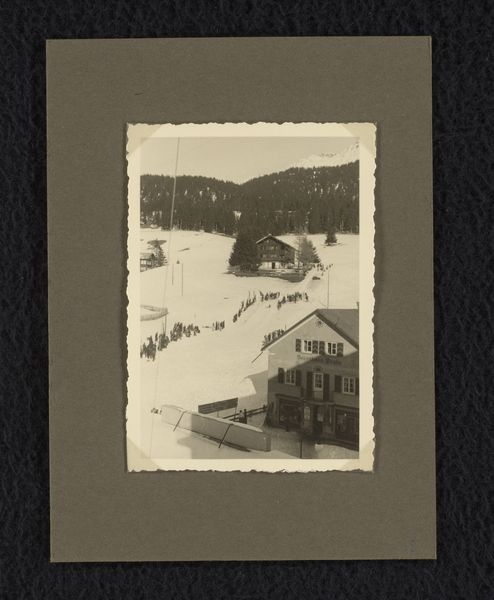
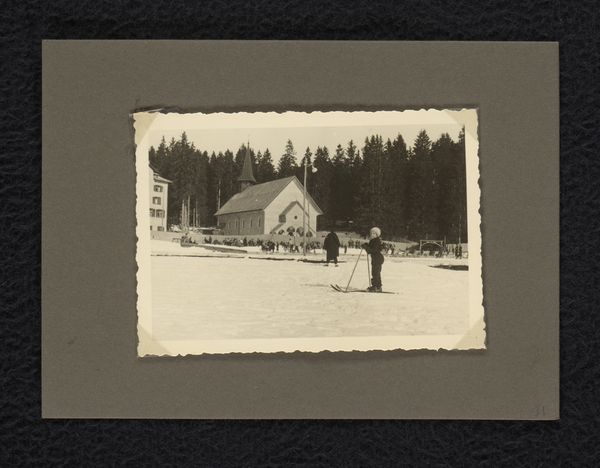
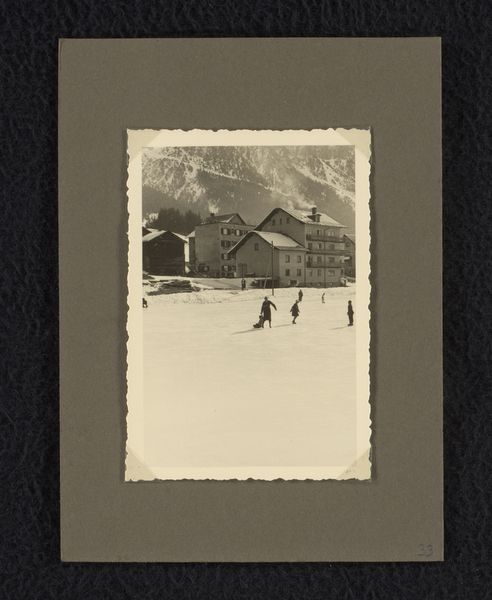
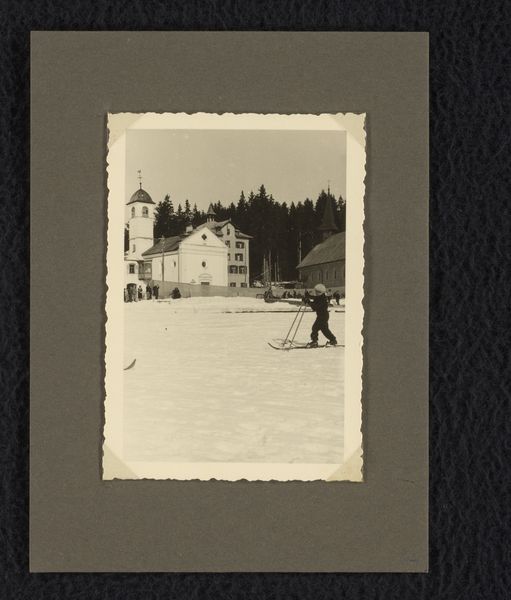
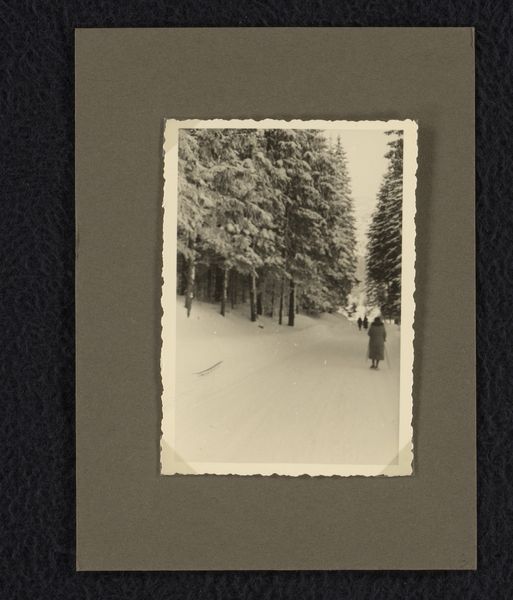
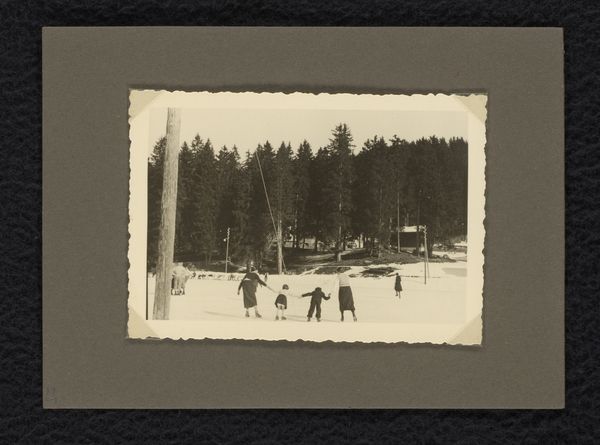
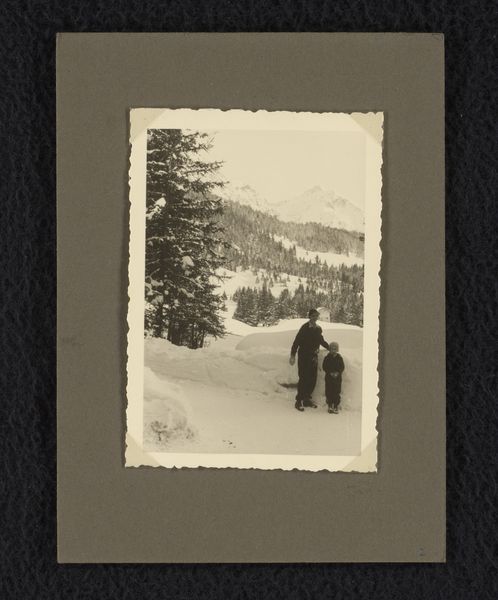
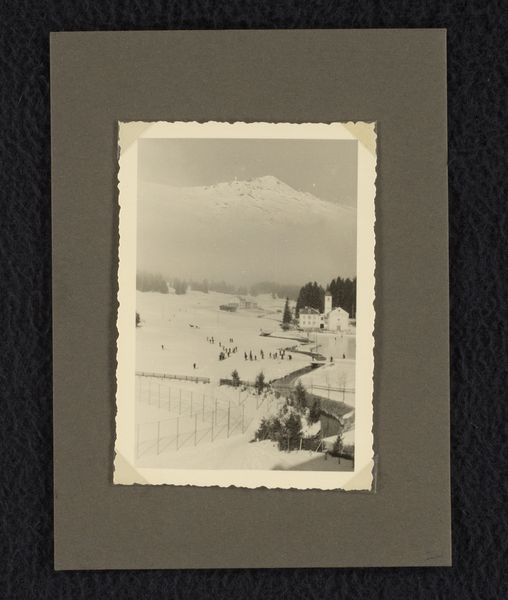
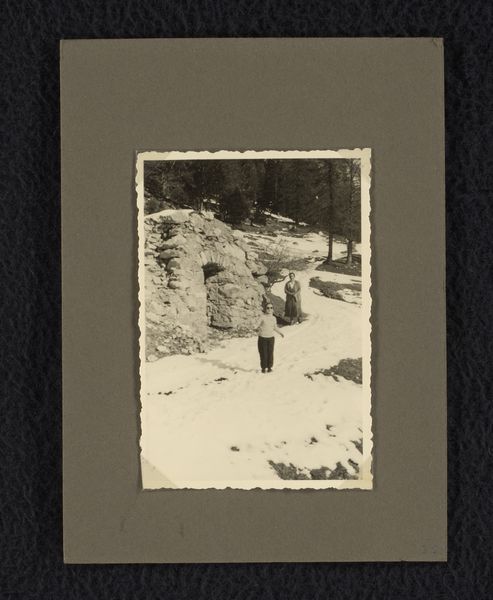
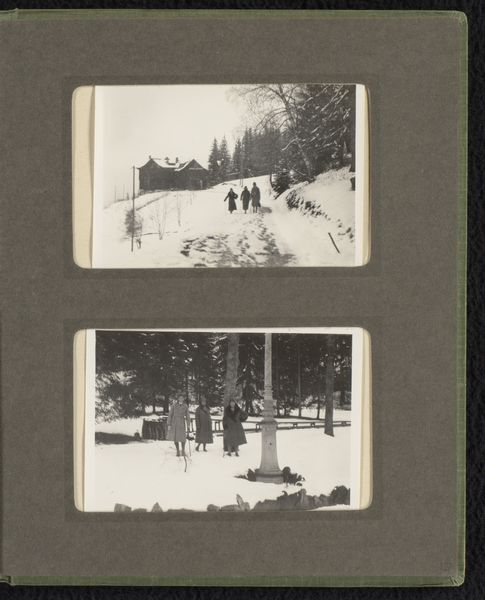
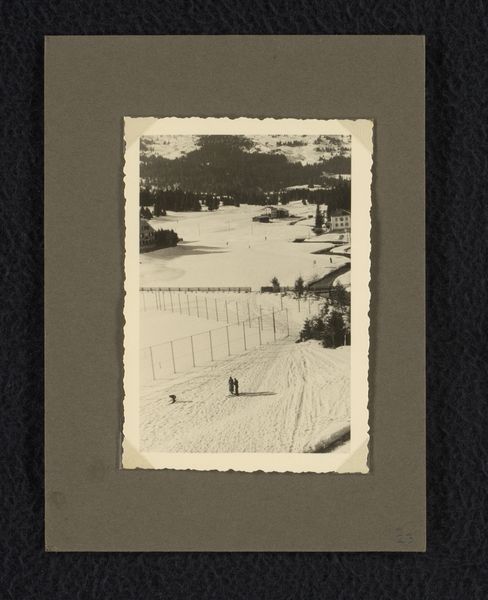
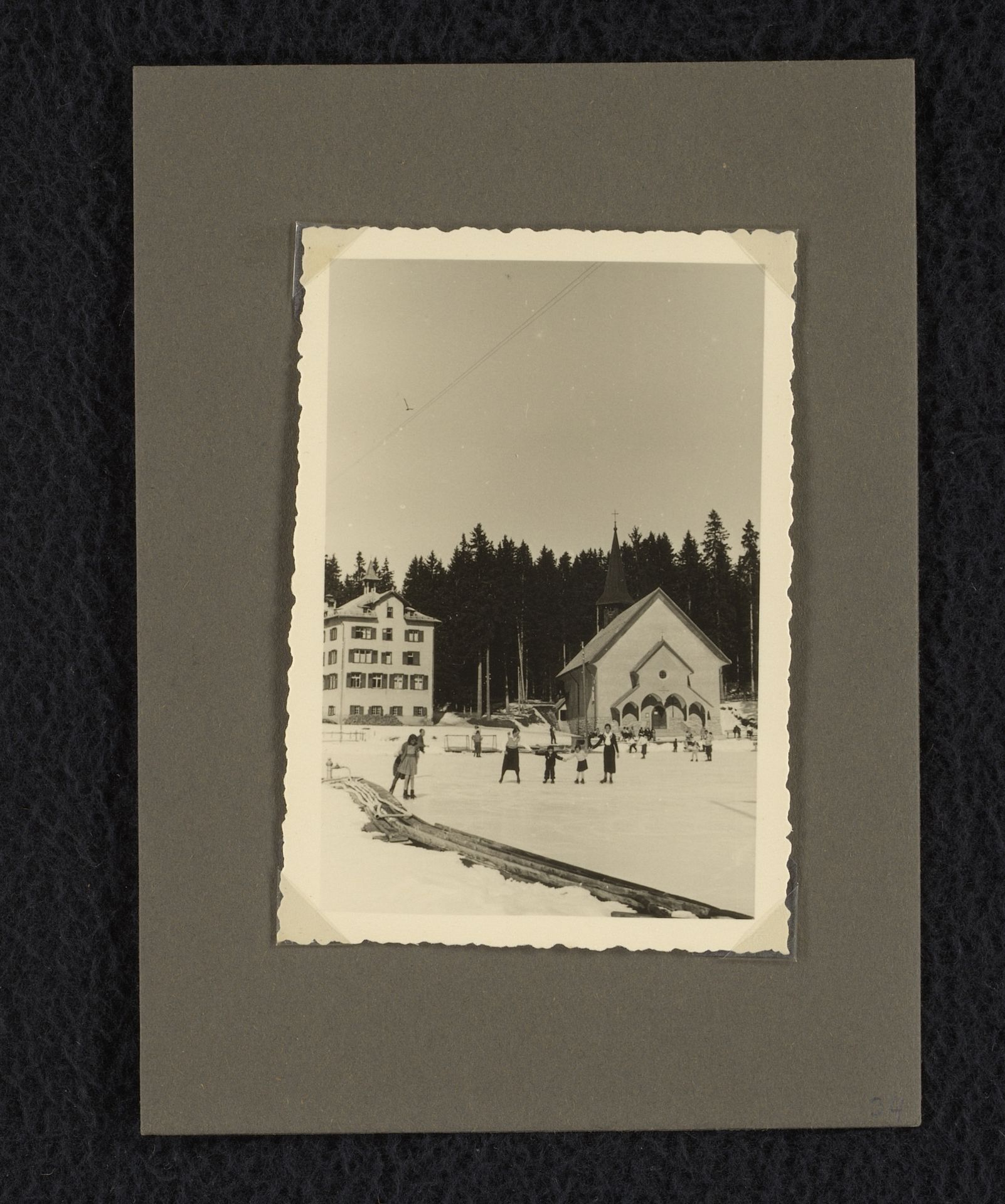
This photograph, titled "Schaatsen" and attributed to the Wachenheimer family, presents a scene dominated by a snowy landscape. The monochromatic palette emphasizes the interplay of light and shadow, giving the image a stark, yet serene quality. The composition is structured around a clear division between the foreground, featuring figures skating, and the background, marked by the solid forms of buildings and a dense treeline. The buildings offer a grid-like rigidity, in contrast to the organic shapes of the trees and the fluid motion of the skaters. This tension between geometric order and natural form creates a visual rhythm that is both grounding and dynamic. The photograph invites us to consider how the structure of an image can reflect broader cultural and philosophical concerns, balancing the human-made and the natural, the static and the active. It reminds us that art is always open to interpretation, shifting with each viewing.

Artwork details
- Medium
- photography
- Dimensions
- height 100 mm, width 70 mm, height 147 mm, width 108 mm
- Copyright
- Rijks Museum: Open Domain
Tags
Comments
Share your thoughts
About this artwork
This photograph, titled "Schaatsen" and attributed to the Wachenheimer family, presents a scene dominated by a snowy landscape. The monochromatic palette emphasizes the interplay of light and shadow, giving the image a stark, yet serene quality. The composition is structured around a clear division between the foreground, featuring figures skating, and the background, marked by the solid forms of buildings and a dense treeline. The buildings offer a grid-like rigidity, in contrast to the organic shapes of the trees and the fluid motion of the skaters. This tension between geometric order and natural form creates a visual rhythm that is both grounding and dynamic. The photograph invites us to consider how the structure of an image can reflect broader cultural and philosophical concerns, balancing the human-made and the natural, the static and the active. It reminds us that art is always open to interpretation, shifting with each viewing.
Comments
Share your thoughts