About this artwork
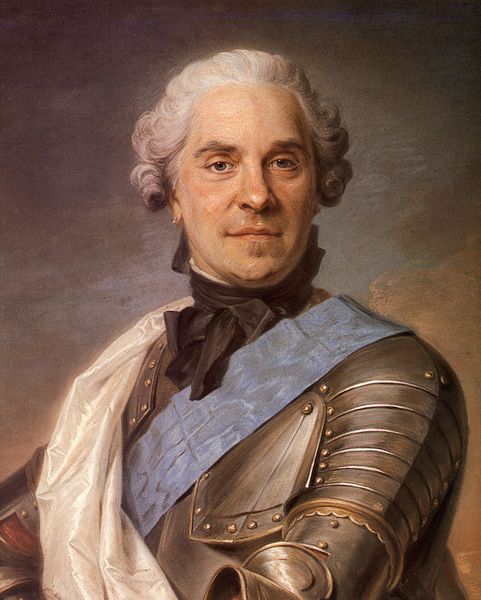
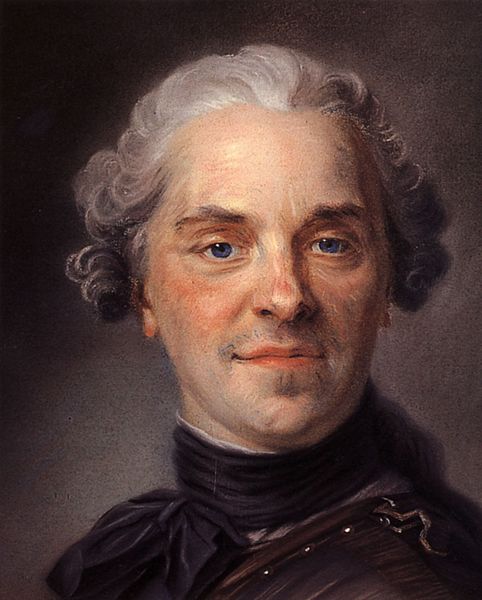
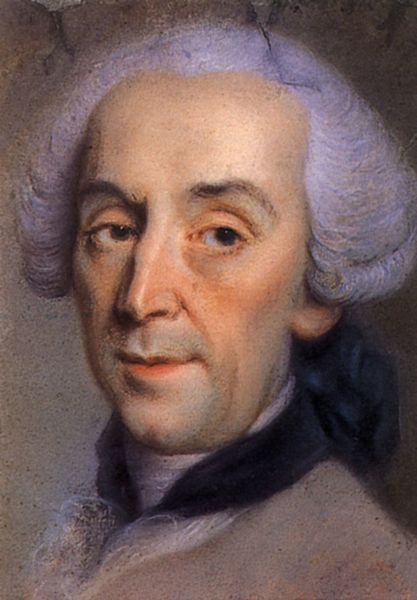
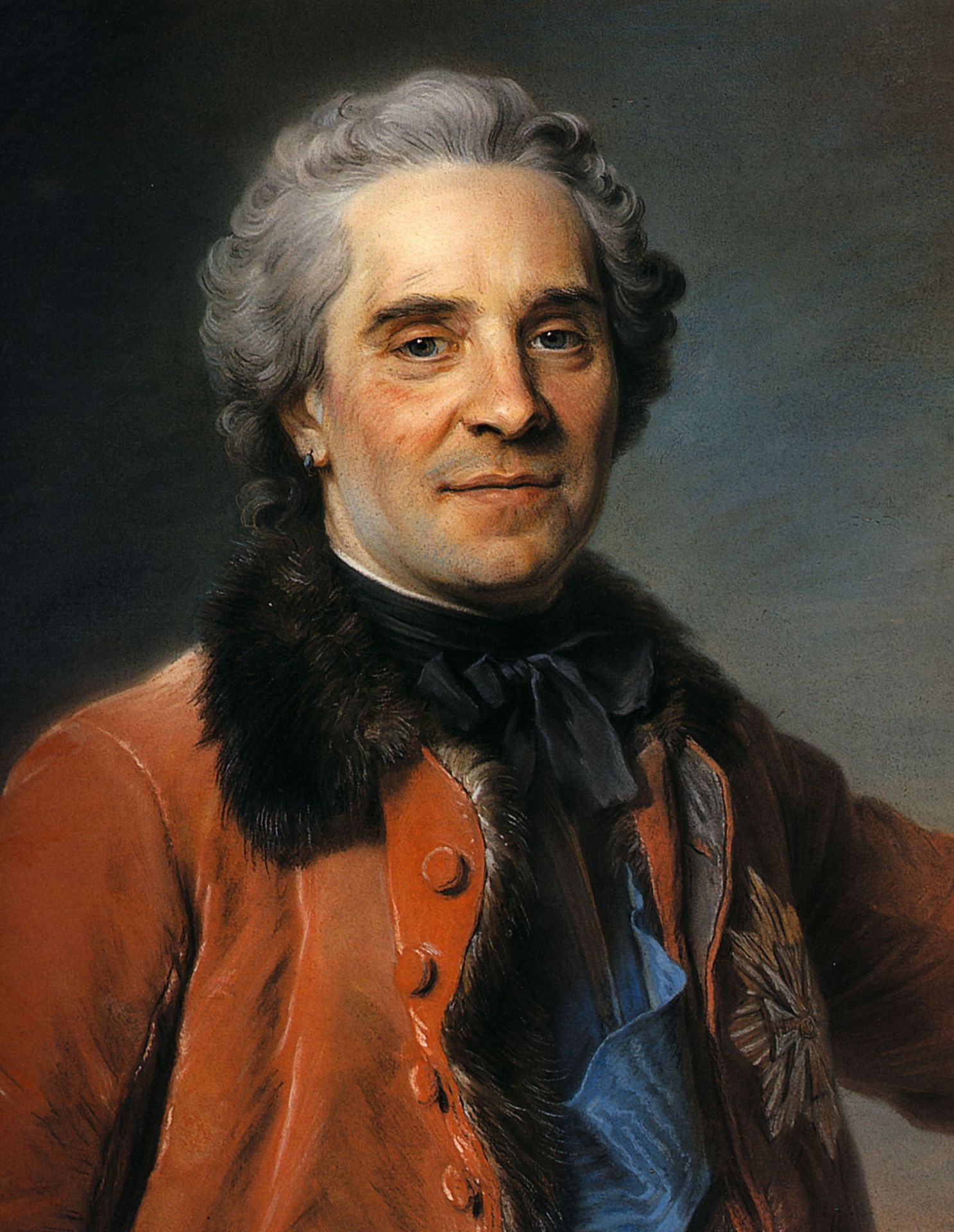
Maurice Quentin de La Tour rendered this pastel portrait of Maurice of Saxony, an illegitimate son of August II the Strong, King of Poland and Elector of Saxony. Painted during the Enlightenment, a period of intellectual ferment, the portrait reflects the era's emphasis on reason and individualism, yet also reveals the rigid class structures of the time. De La Tour captures the sitter's social position through his clothing and bearing, while also hinting at his personal character. The piercing gaze and subtle smile suggest intelligence and self-awareness, while the trappings of wealth and power underscore his aristocratic status. The portrait offers a glimpse into the complex interplay between individual identity and social role that defined the 18th century. It prompts us to consider how societal expectations shape personal expression.
Portrait of Maurice of Saxony
1748

Maurice Quentin de La Tour
1704 - 1788Location
Gemäldegalerie Alte Meister, Dresden, GermanyArtwork details
- Medium
- pastel
- Dimensions
- 49 x 59.5 cm
- Location
- Gemäldegalerie Alte Meister, Dresden, Germany
- Copyright
- Public domain
Tags
portrait
portrait
portrait reference
famous-people
male-portraits
portrait head and shoulder
intimism
animal portrait
animal drawing portrait
portrait drawing
pastel
facial portrait
portrait art
fine art portrait
rococo
digital portrait
Comments
Be the first to share your thoughts about this work.
About this artwork
Maurice Quentin de La Tour rendered this pastel portrait of Maurice of Saxony, an illegitimate son of August II the Strong, King of Poland and Elector of Saxony. Painted during the Enlightenment, a period of intellectual ferment, the portrait reflects the era's emphasis on reason and individualism, yet also reveals the rigid class structures of the time. De La Tour captures the sitter's social position through his clothing and bearing, while also hinting at his personal character. The piercing gaze and subtle smile suggest intelligence and self-awareness, while the trappings of wealth and power underscore his aristocratic status. The portrait offers a glimpse into the complex interplay between individual identity and social role that defined the 18th century. It prompts us to consider how societal expectations shape personal expression.
Comments
Be the first to share your thoughts about this work.