About this artwork
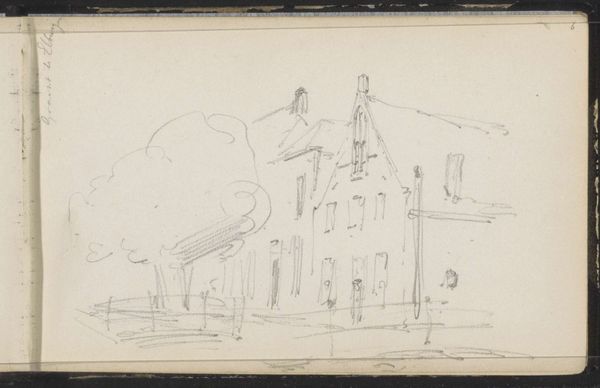
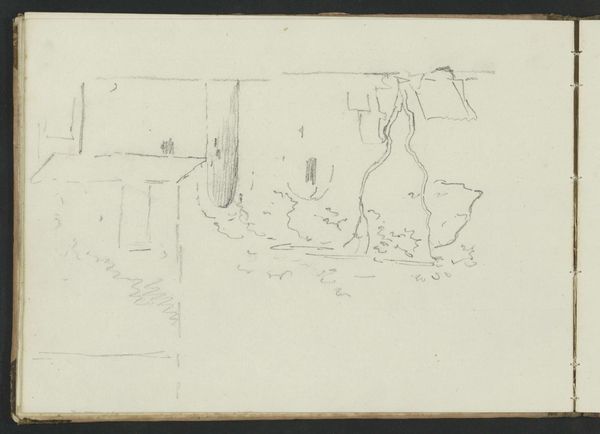
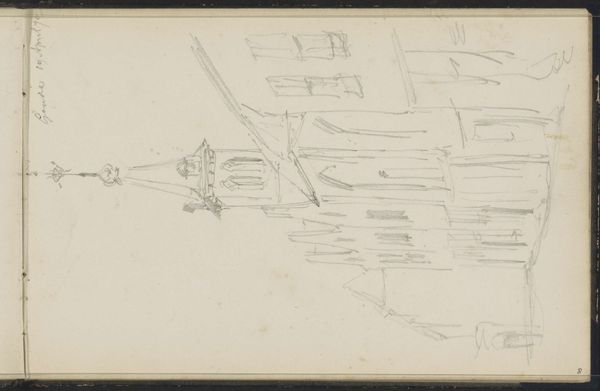
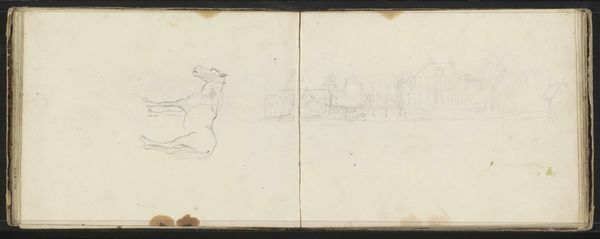
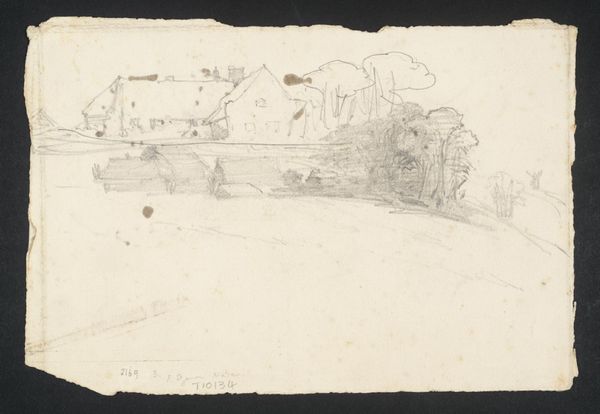
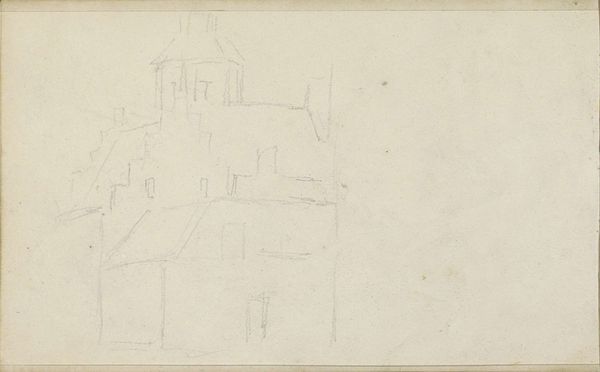
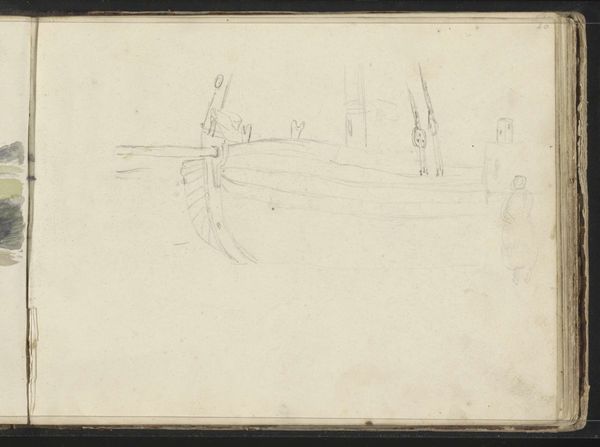
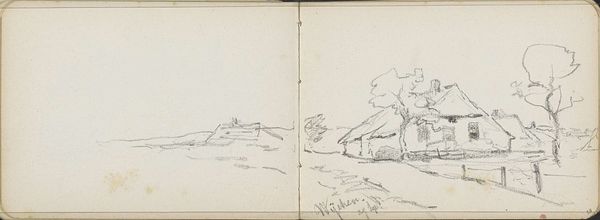
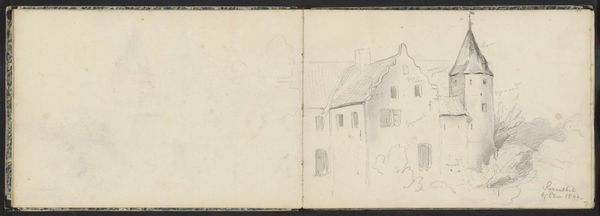
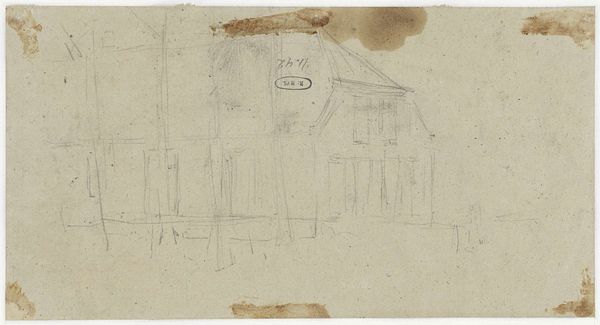
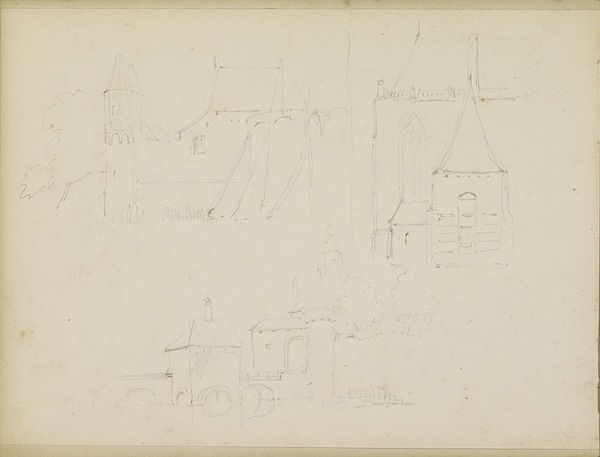
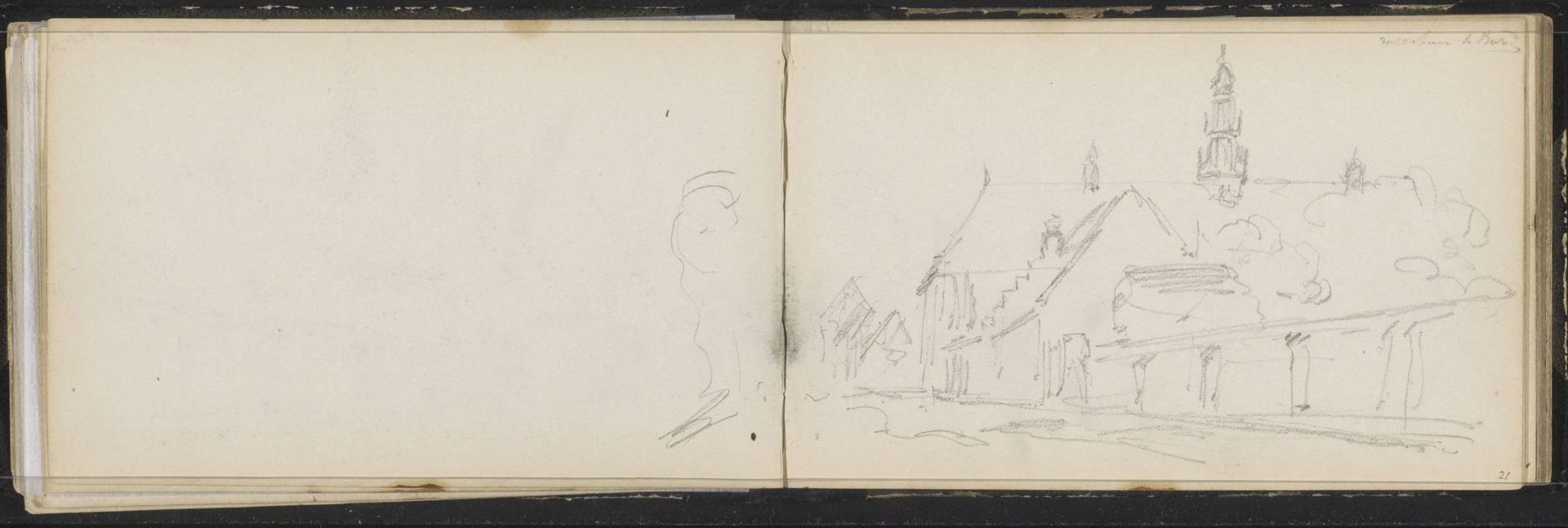
Cornelis Springer made this sketch of the Royal Orphanage in Buren with graphite on paper. The hasty, light marks reveal the intrinsic qualities of the graphite and the texture of the paper. You can almost see Springer’s hand moving across the page, capturing the basic lines and forms of the building. This act of sketching, a fundamental process in art, reduces a complex structure into a basic representation. Springer engaged with the tradition of plein air sketching, a practice that became popular with the rise of industrialization and urbanization. Artists like Springer sought to capture the changing urban landscape and the social structures it housed, such as this orphanage. The sketch is an example of the labor involved in artistic creation, with the graphite and paper serving as accessible tools to document and interpret the world. Appreciating the materials and processes helps us to connect to the artist's experience, bridging the divide between fine art and everyday life.
Gezicht op het Koninklijk Weeshuis te Buren
c. 1863

Cornelis Springer
1817 - 1891Location
RijksmuseumArtwork details
- Medium
- drawing, pencil, graphite
- Location
- Rijksmuseum
- Copyright
- Rijks Museum: Open Domain
Tags
Comments
Share your thoughts
About this artwork
Cornelis Springer made this sketch of the Royal Orphanage in Buren with graphite on paper. The hasty, light marks reveal the intrinsic qualities of the graphite and the texture of the paper. You can almost see Springer’s hand moving across the page, capturing the basic lines and forms of the building. This act of sketching, a fundamental process in art, reduces a complex structure into a basic representation. Springer engaged with the tradition of plein air sketching, a practice that became popular with the rise of industrialization and urbanization. Artists like Springer sought to capture the changing urban landscape and the social structures it housed, such as this orphanage. The sketch is an example of the labor involved in artistic creation, with the graphite and paper serving as accessible tools to document and interpret the world. Appreciating the materials and processes helps us to connect to the artist's experience, bridging the divide between fine art and everyday life.
Comments
Share your thoughts