About this artwork
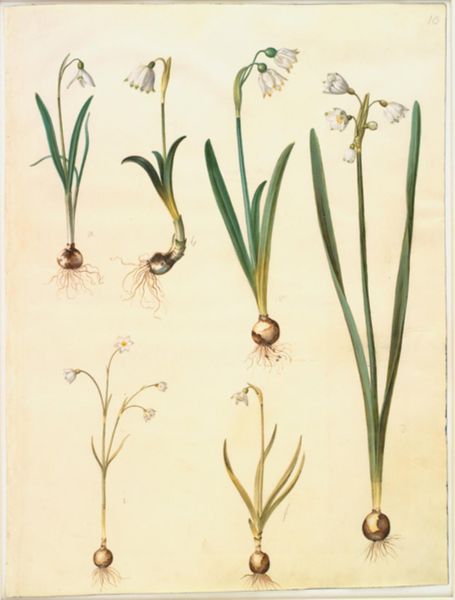
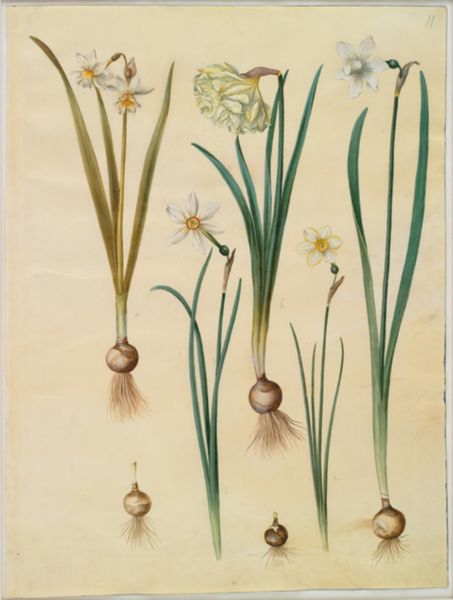
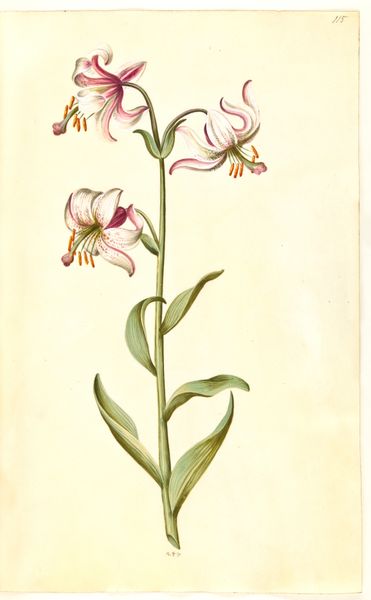
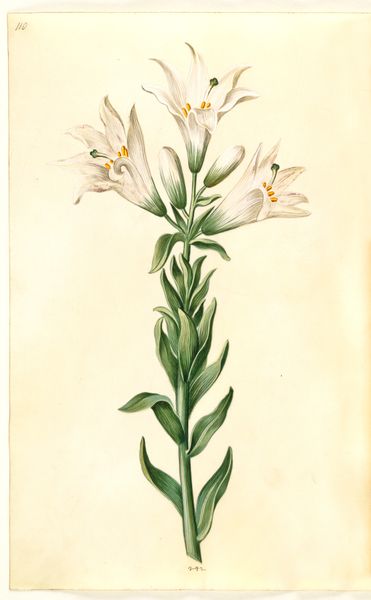
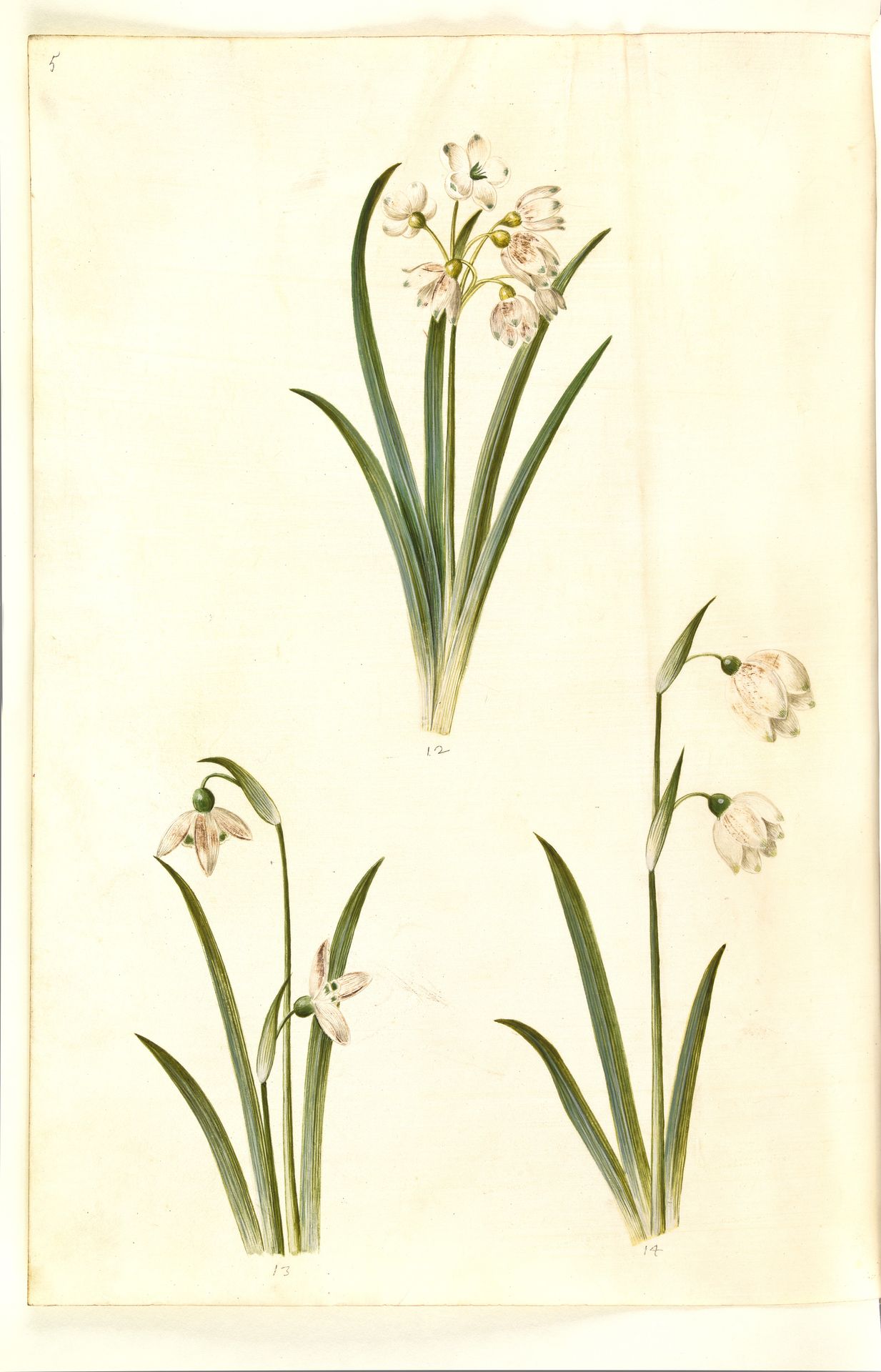
Hans Simon Holtzbecker made this botanical study of Leucojum aestivum, Galanthus nivalis, and Leucojum vernum using watercolour on paper. Created in 17th-century Denmark, this artwork reflects the growing interest in natural history and scientific illustration during the period. Botanical studies like this one were not merely aesthetic; they served a practical purpose. As European powers expanded their colonial reach, accurate depictions of plants became crucial for identifying potential resources, medicinal properties, and agricultural opportunities. Holtzbecker's precise rendering of each plant—capturing the delicate curves of the petals and the subtle variations in color—speaks to the scientific rigor of the time. Institutions like royal courts and universities played a key role in funding and promoting these kinds of studies, recognizing their value in both knowledge accumulation and economic advancement. To fully appreciate this piece, consider the historical context in which it was made—a time when botanical illustration was both an art and a science, deeply intertwined with the political and economic ambitions of its era.
Leucojum aestivum (sommer-hvidblomme); Galanthus nivalis (almindelig vintergæk); Leucojum vernum (dorotealilje)
1635 - 1664


Artwork details
- Medium
- drawing, gouache
- Dimensions
- 375 mm (height) x 265 mm (width) x 85 mm (depth) (monteringsmaal), 358 mm (height) x 250 mm (width) (bladmaal)
- Location
- SMK - Statens Museum for Kunst
Tags
Comments
Share your thoughts
About this artwork
Hans Simon Holtzbecker made this botanical study of Leucojum aestivum, Galanthus nivalis, and Leucojum vernum using watercolour on paper. Created in 17th-century Denmark, this artwork reflects the growing interest in natural history and scientific illustration during the period. Botanical studies like this one were not merely aesthetic; they served a practical purpose. As European powers expanded their colonial reach, accurate depictions of plants became crucial for identifying potential resources, medicinal properties, and agricultural opportunities. Holtzbecker's precise rendering of each plant—capturing the delicate curves of the petals and the subtle variations in color—speaks to the scientific rigor of the time. Institutions like royal courts and universities played a key role in funding and promoting these kinds of studies, recognizing their value in both knowledge accumulation and economic advancement. To fully appreciate this piece, consider the historical context in which it was made—a time when botanical illustration was both an art and a science, deeply intertwined with the political and economic ambitions of its era.
Comments
Share your thoughts