Untitled

Hryhorii Havrylenko
1927 - 1984Location
Private CollectionListen to curator's interpretation
Curatorial notes
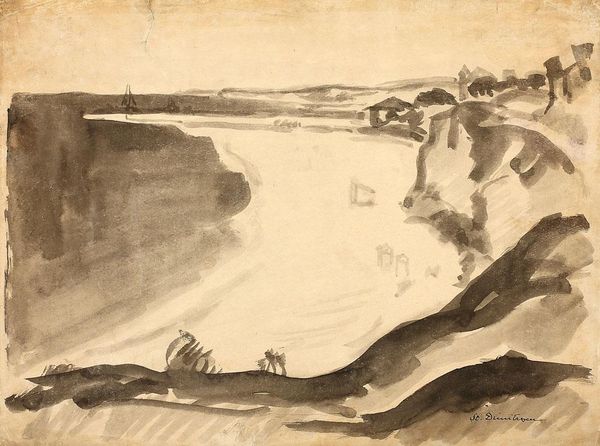
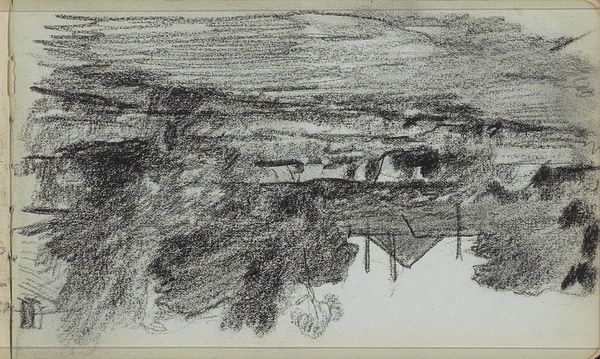
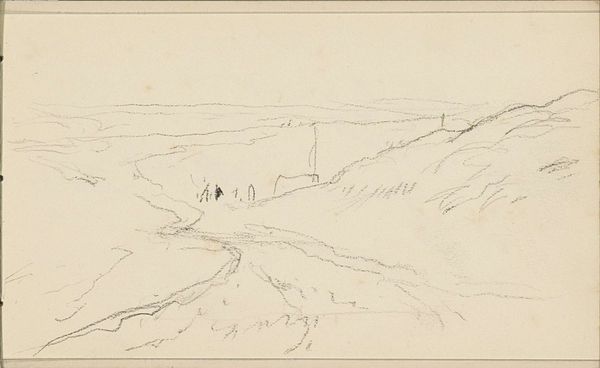
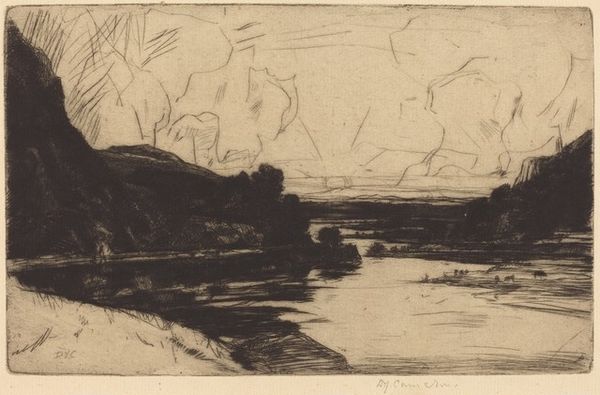
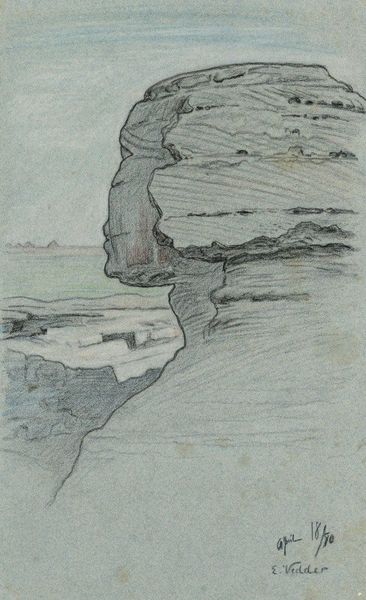
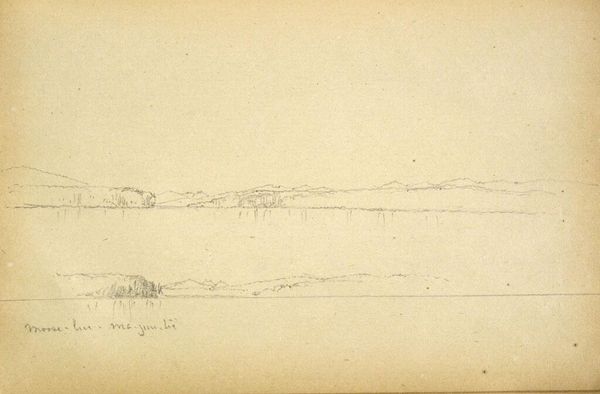
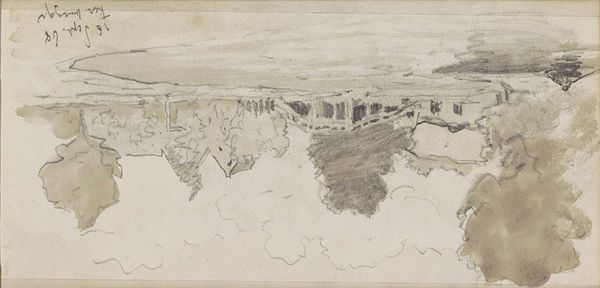
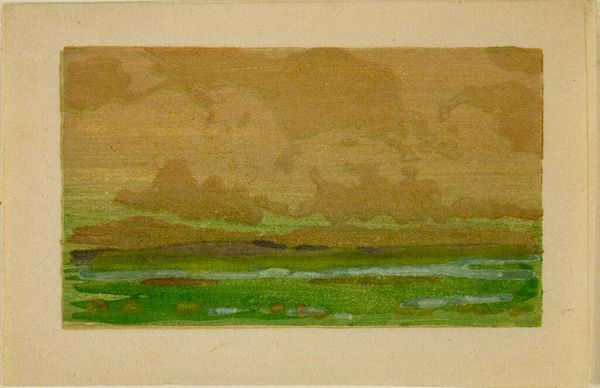
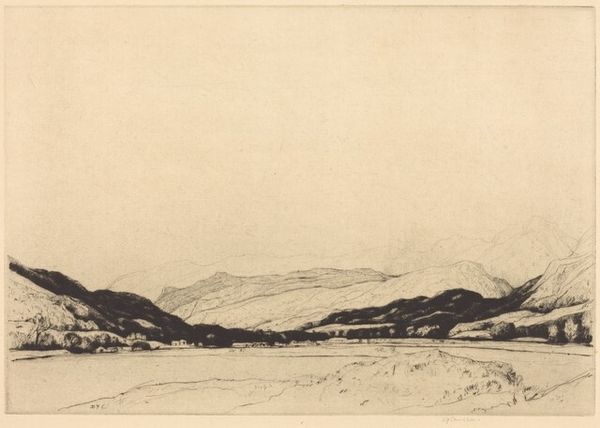
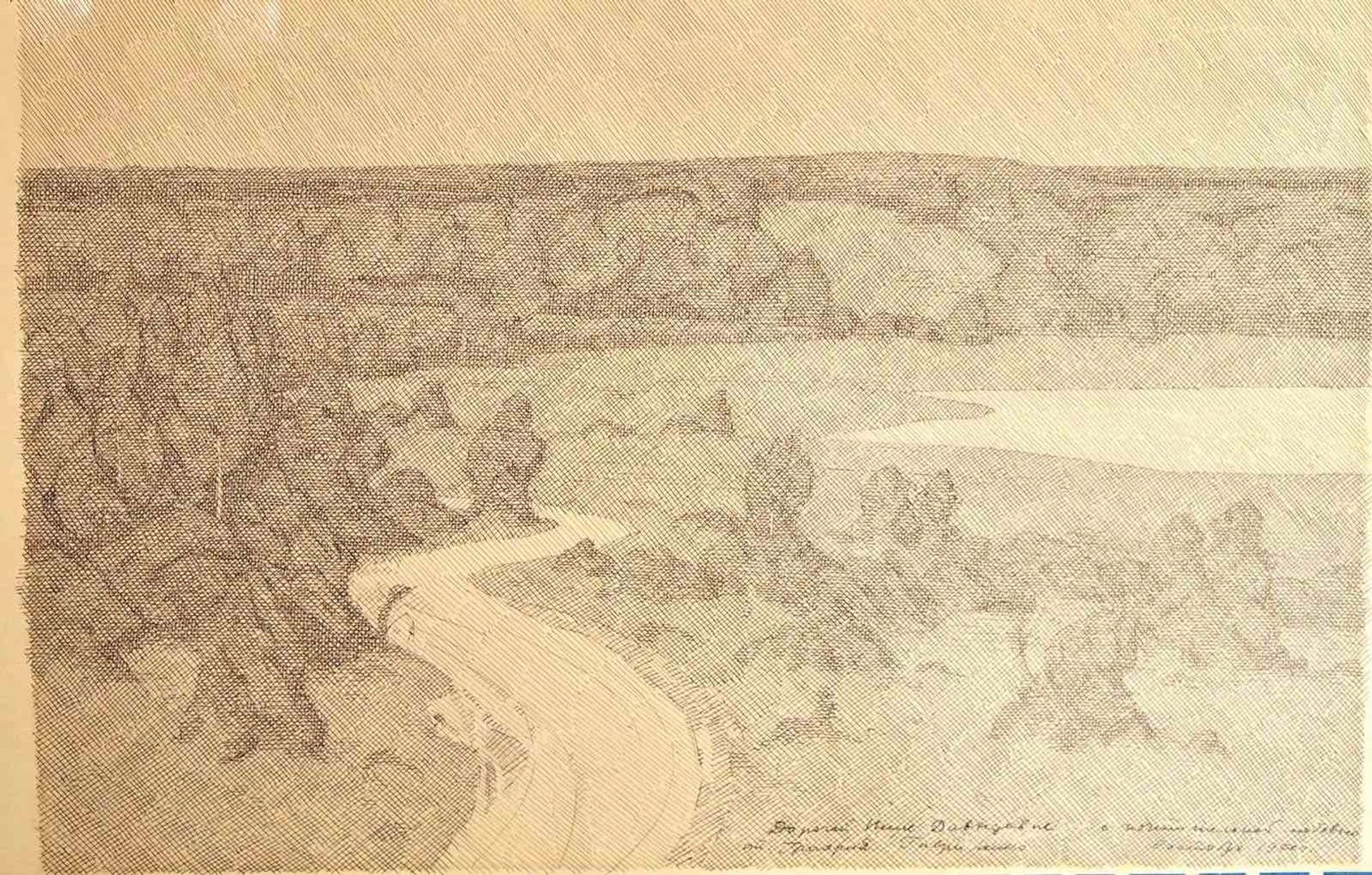
Editor: We're looking at an "Untitled" drawing by Hryhorii Havrylenko, created with etching and ink on paper. It depicts a sweeping landscape. There's a peacefulness to this scene, despite the intricate linework used to create it. How would you interpret this work, considering its historical context? Curator: The landscape genre has often been a stage for national and regional identity. Considering Havrylenko's background, I wonder if this depiction reflects a particular view of the Ukrainian landscape, perhaps influenced by or reacting against Soviet-era portrayals of nature as a symbol of collective achievement and abundance? Editor: That's interesting. I hadn't considered the political undercurrent. Does the lack of figures in the landscape contribute to that interpretation, perhaps suggesting a removal of the human element that Soviet art often emphasized? Curator: Precisely. It might represent a return to a more romantic or personal relationship with nature, one that predates the Soviet Union’s emphasis on industrialized landscapes and collective labor. Also, the deliberate roughness of the etching technique can be seen as a rejection of slick, idealized imagery favored by those in power. Is the river a natural border or part of a local trading network? What do you make of it? Editor: It seems the river gives access to something bigger, perhaps a wider world beyond the immediate scene. What do you think? Curator: Perhaps this etching becomes more than just a landscape; it's a quiet statement about cultural ownership and resistance through the simple act of depicting the land. The political reading becomes unavoidable in the post-Soviet sphere. Editor: I see your point. I initially just saw a pretty landscape, but now I recognize the potential for a much deeper meaning related to cultural and political identity. Curator: Exactly! Art, especially landscapes, can be very powerful political tools. Editor: It really changes how I view landscape art. Thanks for your insights.