after 1636
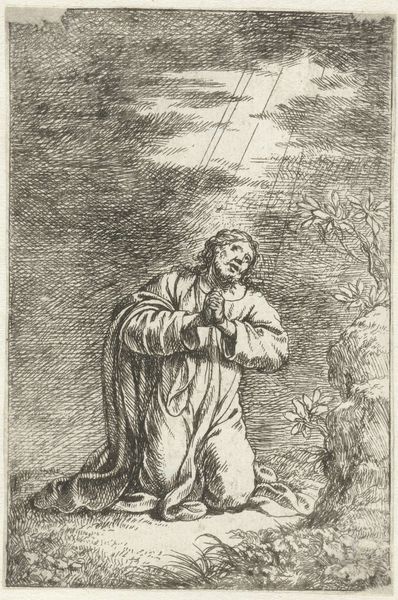
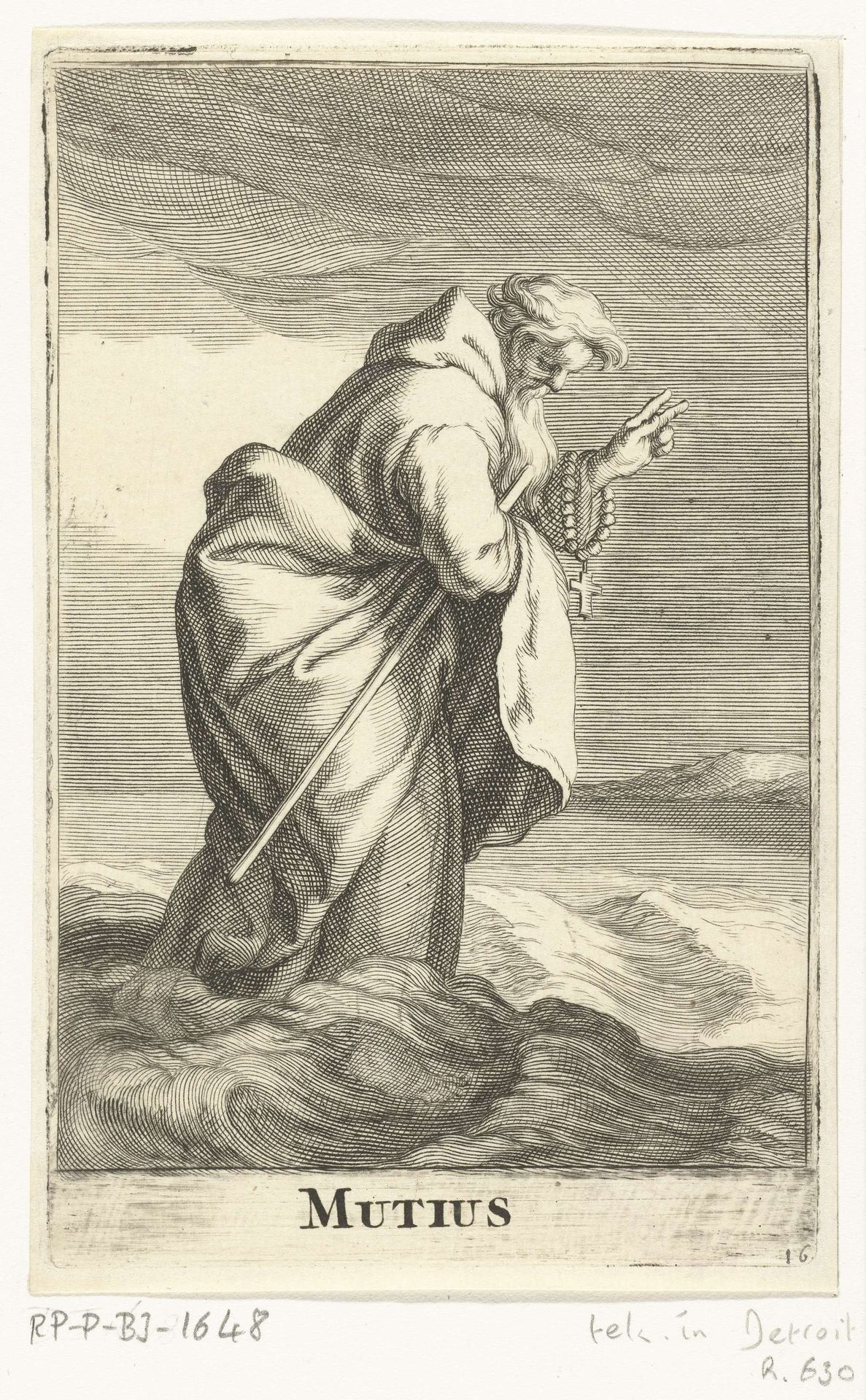
Heilige Mutius

Frederick Bloemaert
1610Location
RijksmuseumListen to curator's interpretation
Curatorial notes
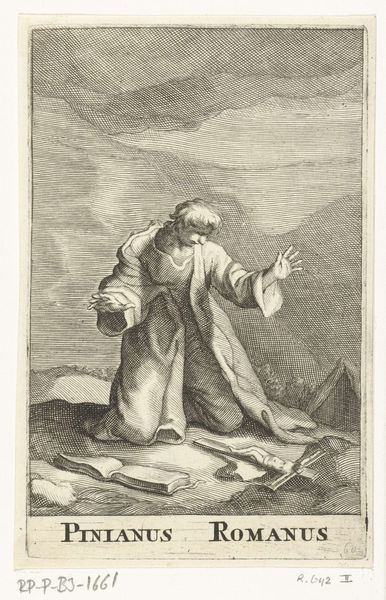
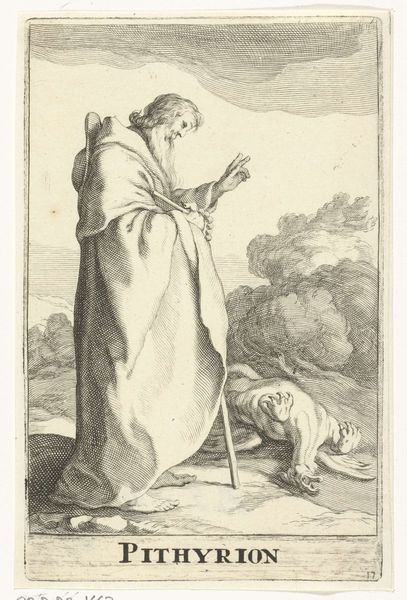
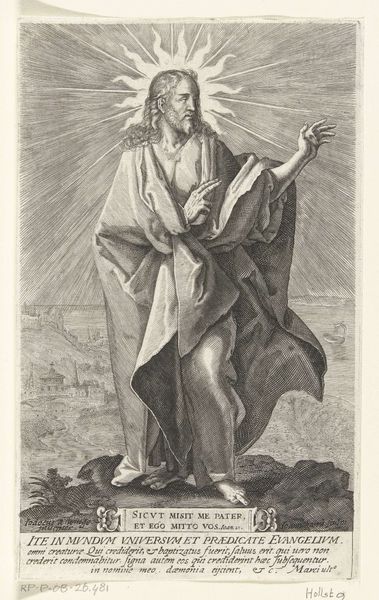
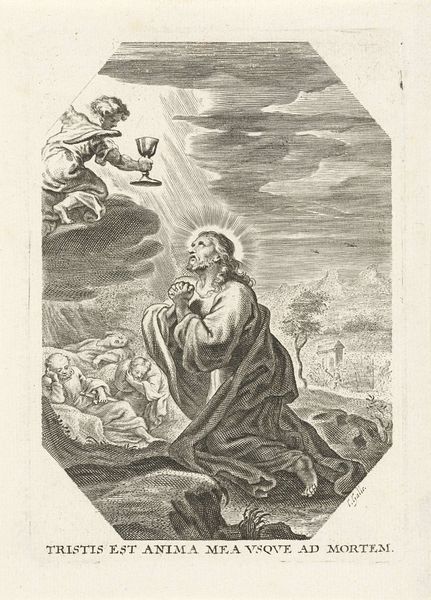
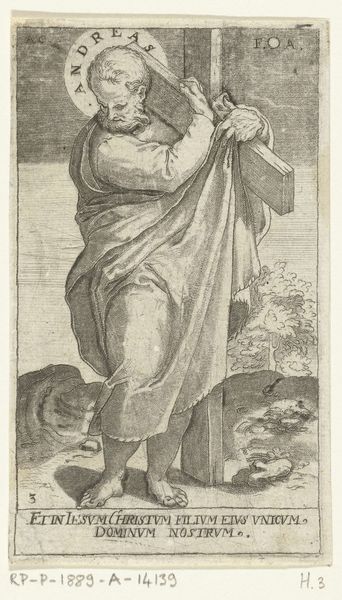
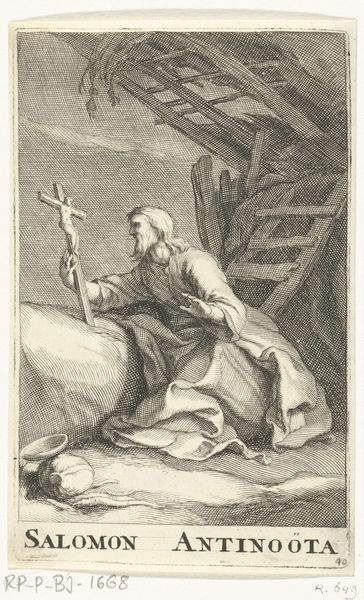
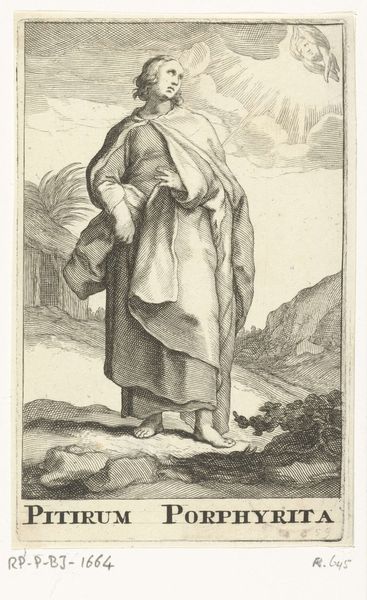
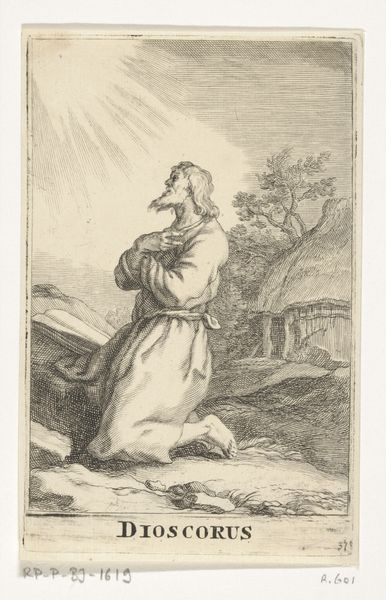
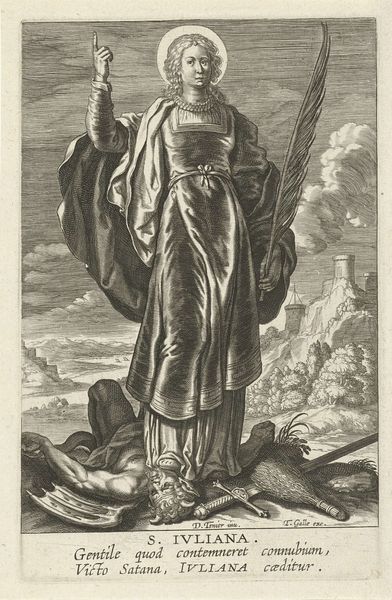
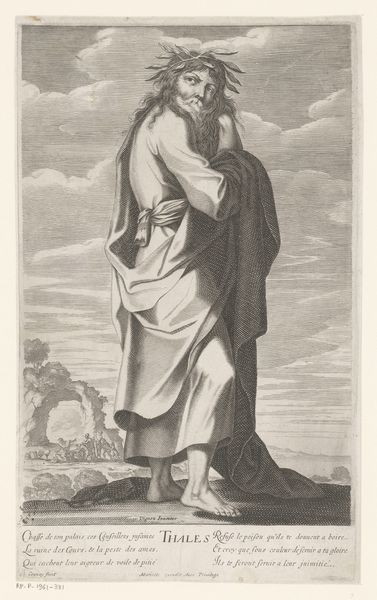
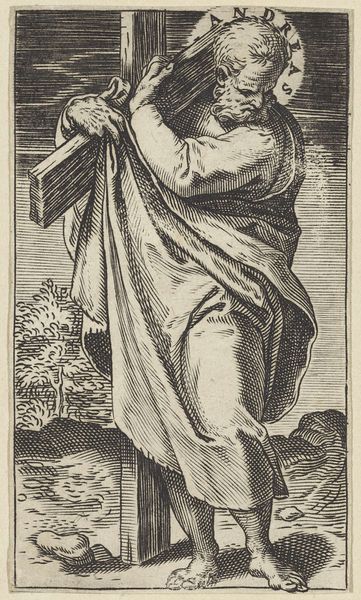
This is Frederick Bloemaert’s “Heilige Mutius,” made with engraving on paper. It's not just an image, it’s an artifact of skilled labor. Engraving is a printmaking technique where the artist carves lines into a metal plate, applying ink to the recesses, and then pressing paper against the plate to transfer the image. The fine lines and details you see here are a testament to the engraver's steady hand and precise control over the burin, the tool used for carving. In Bloemaert’s time, printmaking was a vital industry, with workshops producing images for religious devotion, education, and decoration. These prints were often made in multiples, allowing for wider dissemination of images and ideas. The labor involved was intensive, requiring years of training and apprenticeship to master the craft. Considering this print, let’s not only look at the image, but also at the wider world of production that made it possible.