1846
Blank


Listen to curator's interpretation
Curatorial notes
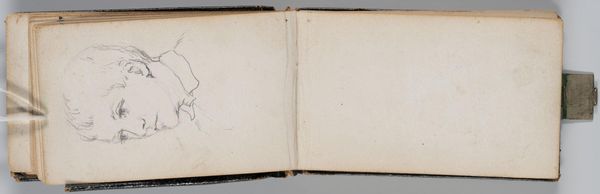
Editor: Here we have "Blank," a drawing on paper from 1846 by Johan Thomas Lundbye, currently housed at the SMK. It's… literally a blank page. What am I missing? What story can we possibly tell from this? Curator: What strikes you about presenting a blank page as art, especially within the context of the art world of 1846? Editor: Well, it's defiant, isn't it? Is it a comment on the artistic landscape itself? Like Lundbye is saying there’s nothing new or meaningful to add? Curator: Precisely. Think about the rising nationalism and romanticism in Danish art at the time. Lundbye was known for his landscapes celebrating the Danish countryside. Presenting a void begs the question, does this suggest a potential absence of meaning or authenticity within those patriotic images? Was it a challenge of viewers' expectation? Editor: That's fascinating. It challenges the viewer to create meaning instead of passively accepting what's presented. Curator: Absolutely. This work questions the institutions shaping artistic taste and how they reinforce certain ideologies. Was Lundbye intentionally undermining the power structures dictating the purpose of art, prompting self-reflection? Editor: I see your point! The artwork's power actually comes from the *lack* of a pre-determined message. Curator: Exactly. It places the viewer in the position of power, compelling participation to provide subjective, authentic, meaning. Editor: It's ironic that a "Blank" piece sparks so many questions about art and society! I came away viewing museums very differently, wondering what biases or perspectives they consciously or unconsciously promote through selection or rejection. Curator: Indeed! Art is in the eye of the beholder. I found the experience mutually rewarding as well, thinking about the interplay between public perception and artist intent.