About this artwork
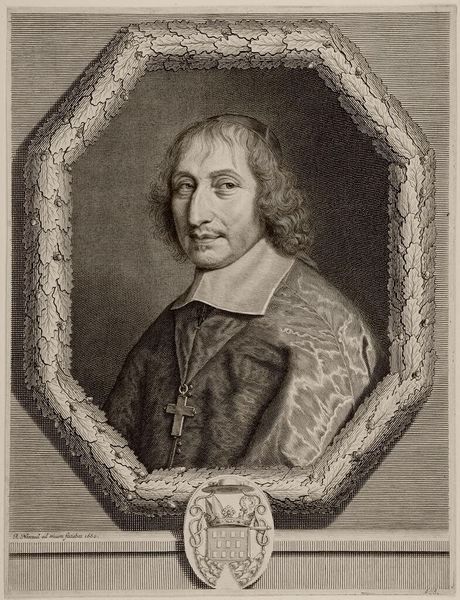
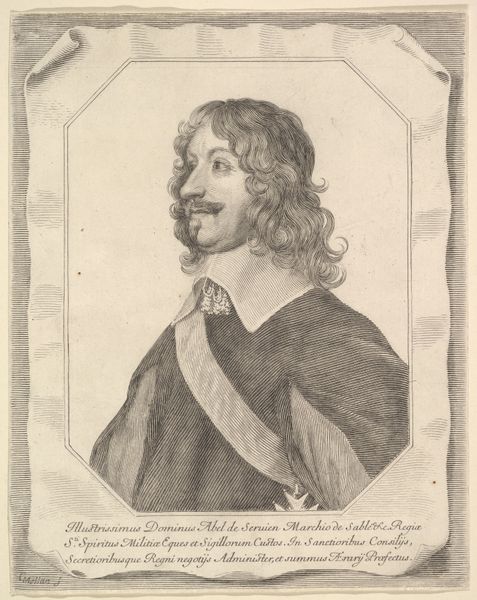
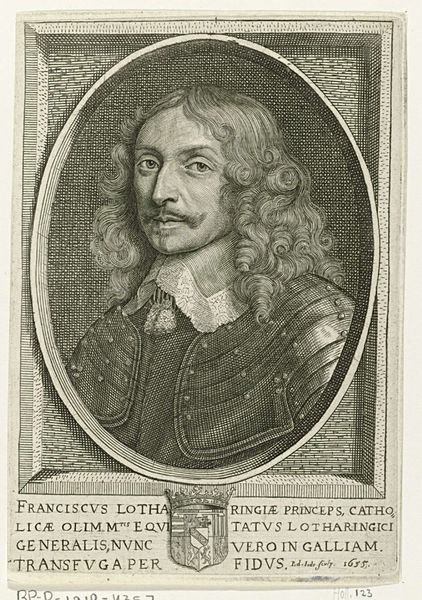
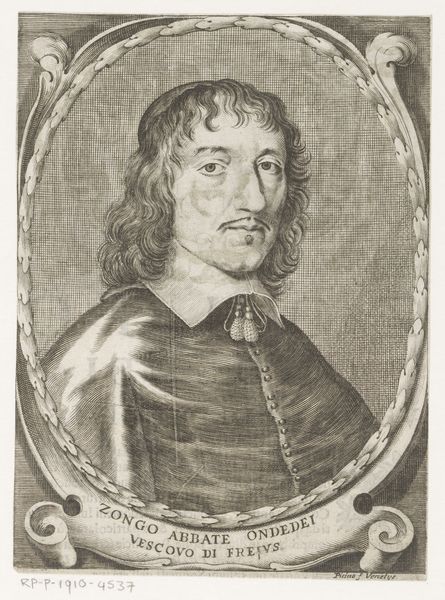
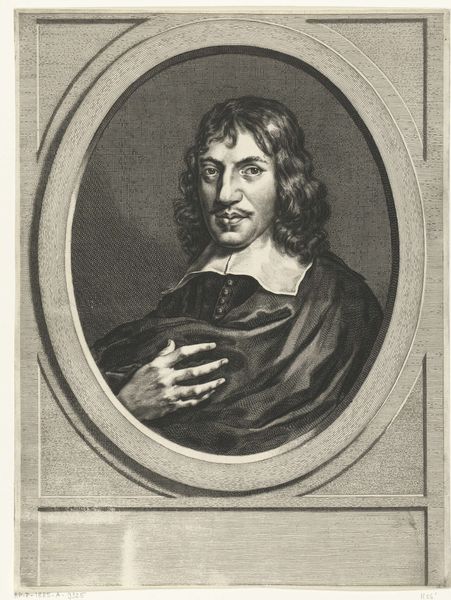
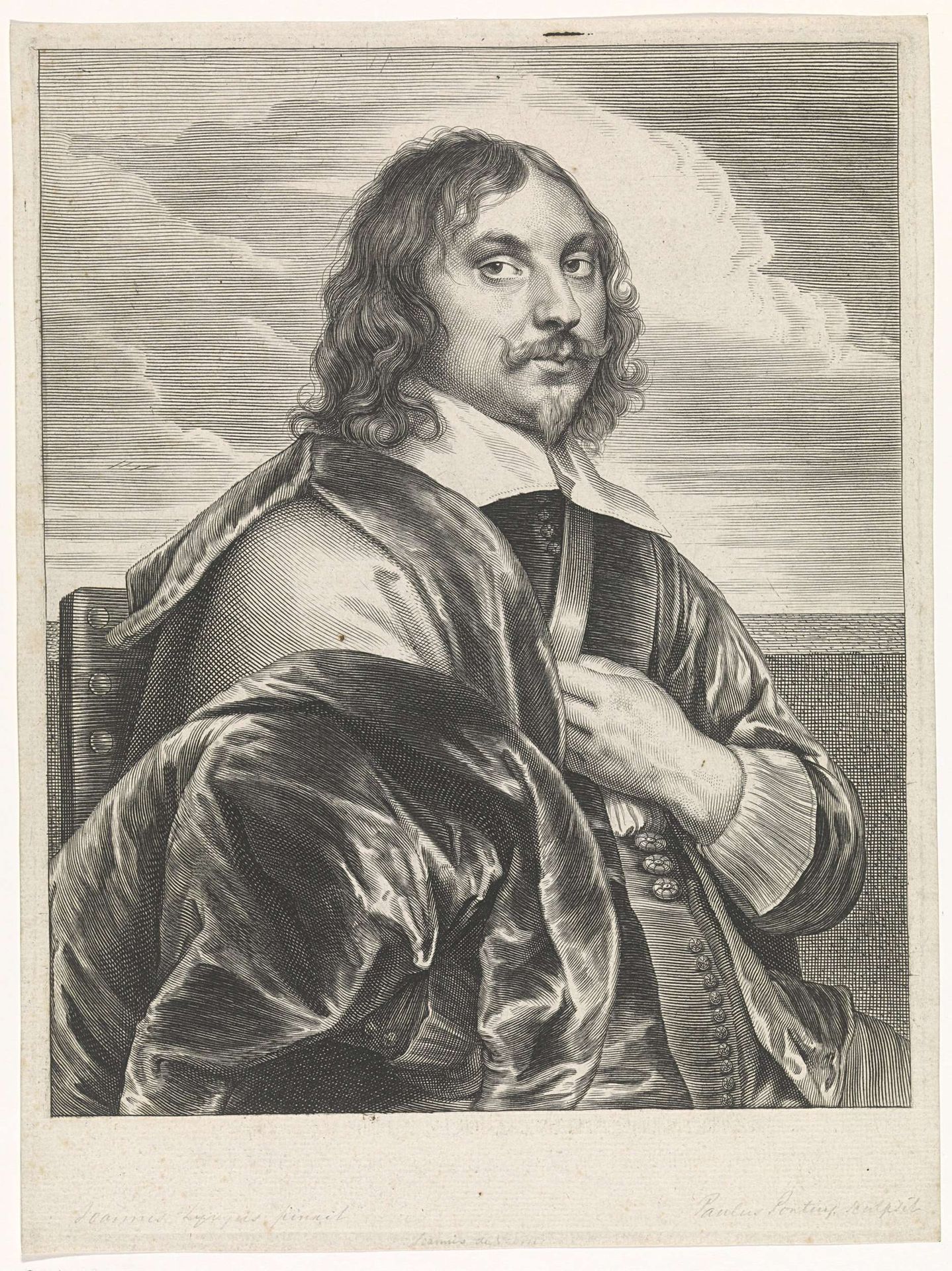
Paulus Pontius created this print of Jan Davidsz. de Heem using the intaglio process, a method where the image is incised into a metal plate, inked, and then pressed onto paper. The network of fine lines defines the contours of de Heem’s face, hair, and clothing, giving the print a tactile quality. Look closely at the velvety texture of his cloak, achieved through dense, cross-hatched lines. Pontius likely used a burin, a specialized engraving tool, to carve these intricate details into the copperplate. Printmaking in the 17th century was a skilled craft, demanding precision and patience. Artists like Pontius played a crucial role in disseminating images and ideas, making art more accessible to a wider audience. This portrait, in particular, celebrates the talent and status of a fellow artist, contributing to the cultural landscape of the time. So, next time you encounter a print, consider the labor, skill, and social context embedded within its lines.
Portret van de schilder Jan Davidsz. de Heem
18th century

Paulus Pontius
1603 - 1658Location
RijksmuseumArtwork details
- Medium
- print, engraving
- Dimensions
- height 271 mm, width 201 mm
- Location
- Rijksmuseum
- Copyright
- Rijks Museum: Open Domain
Tags
Comments
Share your thoughts
About this artwork
Paulus Pontius created this print of Jan Davidsz. de Heem using the intaglio process, a method where the image is incised into a metal plate, inked, and then pressed onto paper. The network of fine lines defines the contours of de Heem’s face, hair, and clothing, giving the print a tactile quality. Look closely at the velvety texture of his cloak, achieved through dense, cross-hatched lines. Pontius likely used a burin, a specialized engraving tool, to carve these intricate details into the copperplate. Printmaking in the 17th century was a skilled craft, demanding precision and patience. Artists like Pontius played a crucial role in disseminating images and ideas, making art more accessible to a wider audience. This portrait, in particular, celebrates the talent and status of a fellow artist, contributing to the cultural landscape of the time. So, next time you encounter a print, consider the labor, skill, and social context embedded within its lines.
Comments
Share your thoughts