drawing, tempera, painting
#
portrait
#
drawing
#
neoclacissism
#
tempera
#
painting
#
classical-realism
#
group-portraits
#
romanticism
#
black and white
#
academic-art
#
miniature
Dimensions: 5 1/2 x 4 1/4 in. (140 x 109 mm)
Copyright: Public Domain
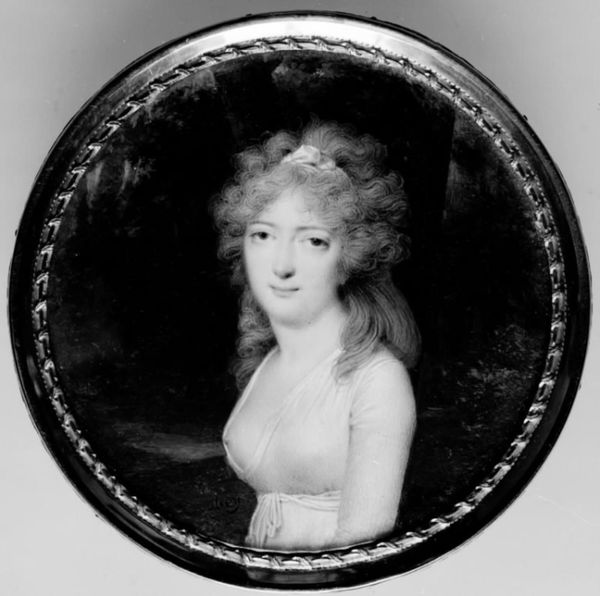
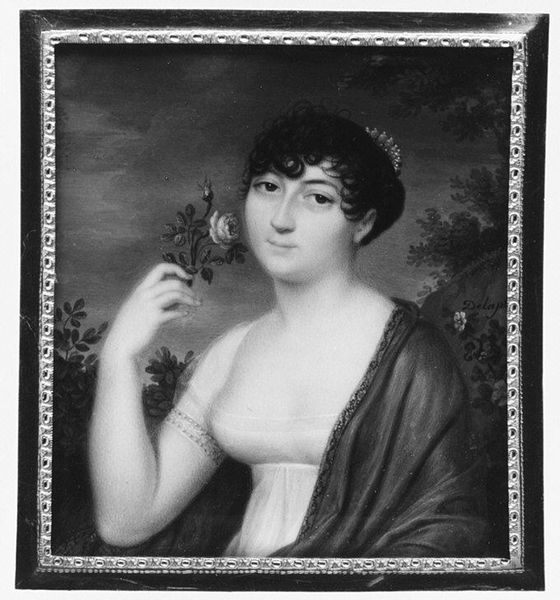
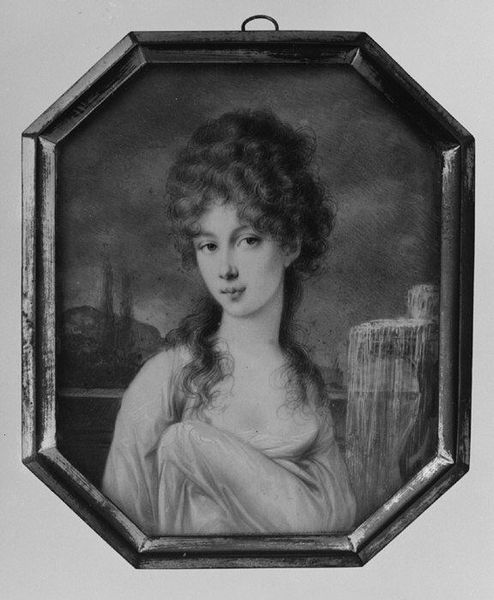
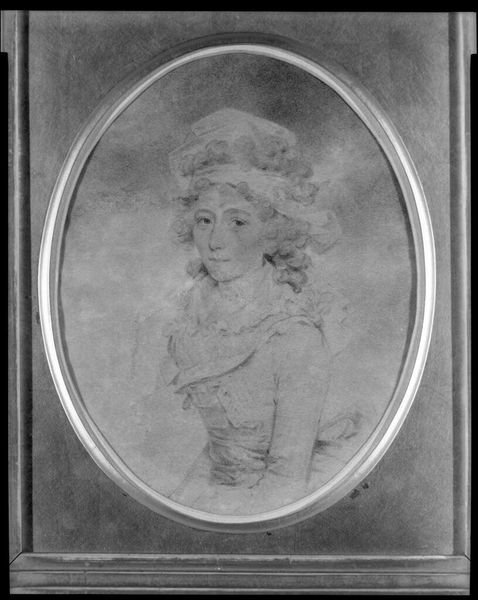
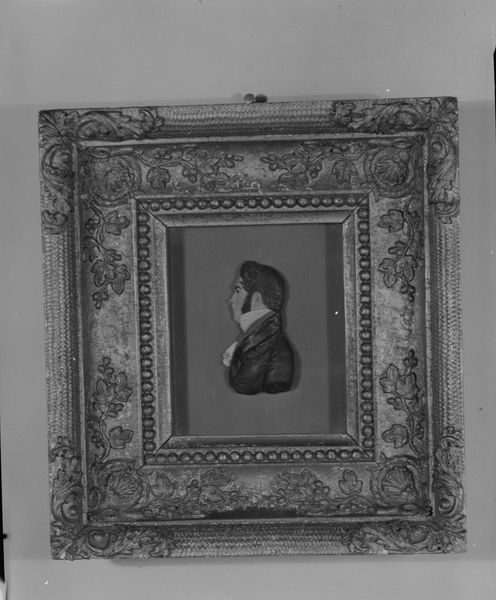
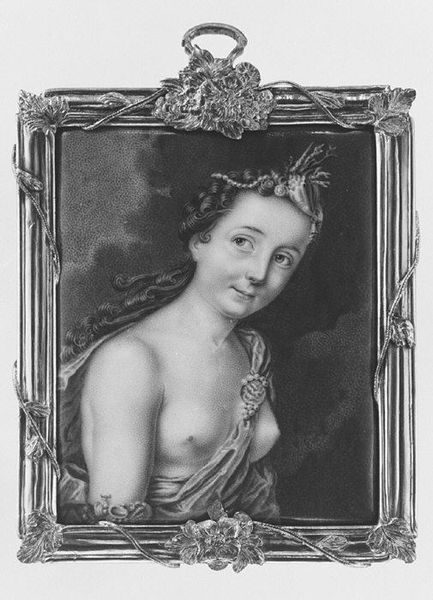
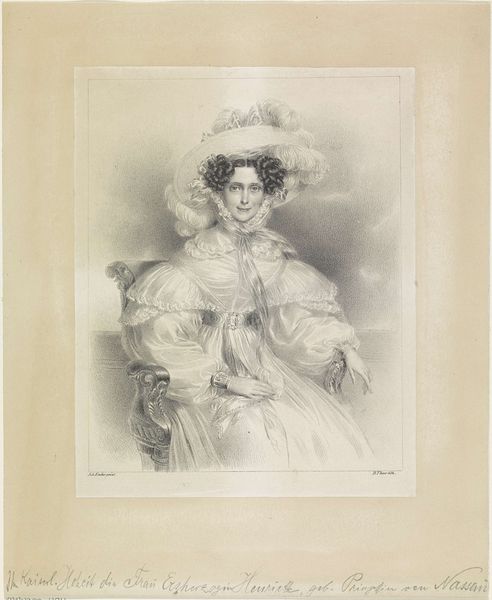
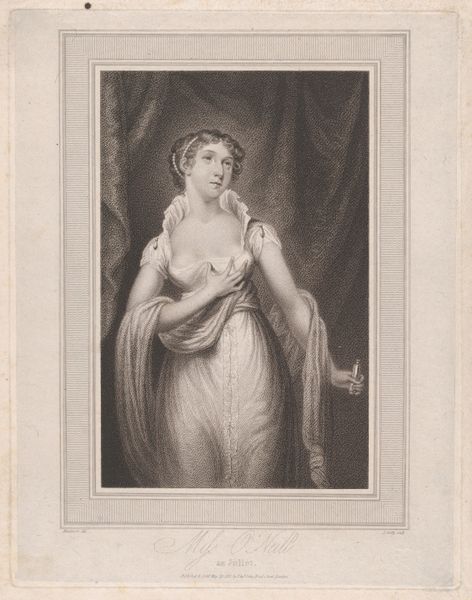
Curator: This is Samuel Shelley's "The Hours," made around 1801 using tempera and watercolor. What are your initial thoughts? Editor: It's striking how intimate it feels despite being a group portrait, probably due to the miniature scale. How would you interpret it? Curator: From a materialist perspective, I'm drawn to consider the context of miniature painting at the time. It’s not just about representation; it’s about a commodity. Tempera and watercolor, relatively accessible materials, allowed for broader production and consumption compared to oil paintings. It speaks to emerging economies of art. Editor: So, the materials and their availability influenced the social role of the artwork? Curator: Exactly. Who could afford these, and how did the relative ease of production affect the status of the artist? Shelley, although highly regarded, operated within a specific economic framework. Consider also the painstaking labor involved in such detail at a miniature scale. It was demanding work, reflecting particular skills and conditions. How does that impact your appreciation? Editor: It gives me a different lens. Thinking about it less as a sentimental portrayal and more as a result of labor and economics really changes my perspective. Curator: Indeed. It's easy to get caught up in the subject matter, but by understanding the means of production, the artist's position in the marketplace, we gain a richer, more nuanced appreciation. Editor: I’ll definitely be thinking more about materials and labor when I look at art from now on. Thanks for that different point of view!
Comments
No comments
Be the first to comment and join the conversation on the ultimate creative platform.
 Collect
 React
React Comment
More like this