About this artwork
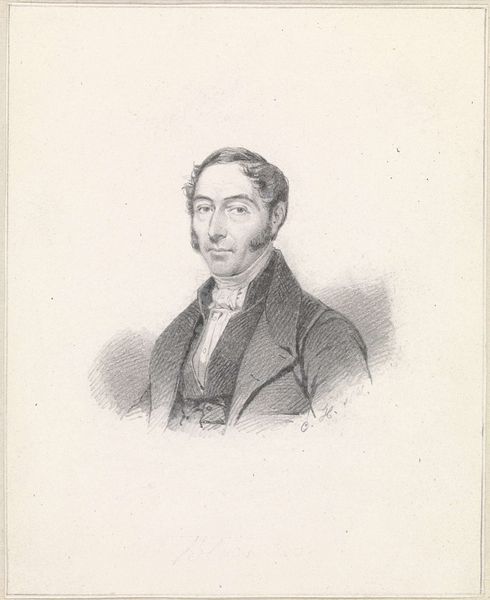
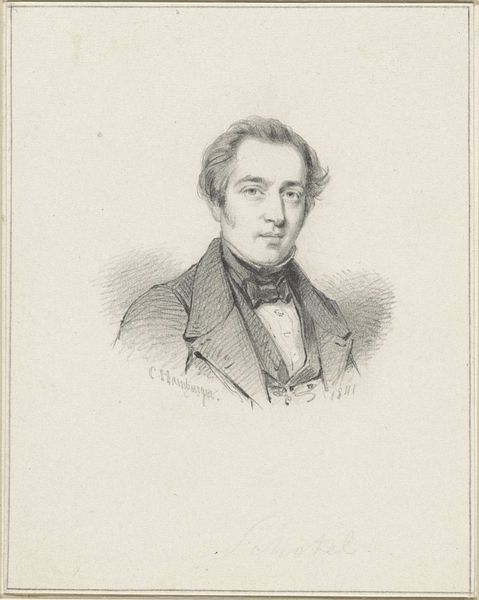
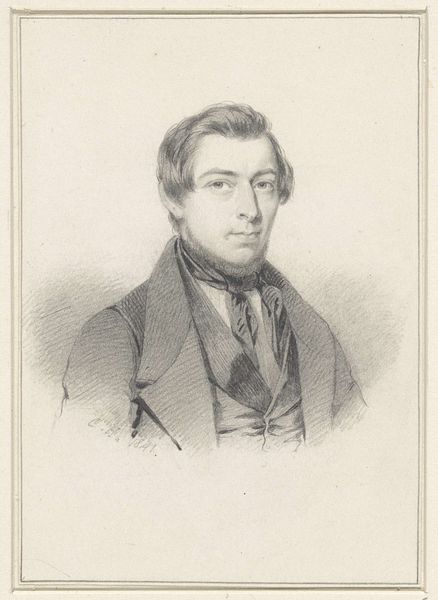
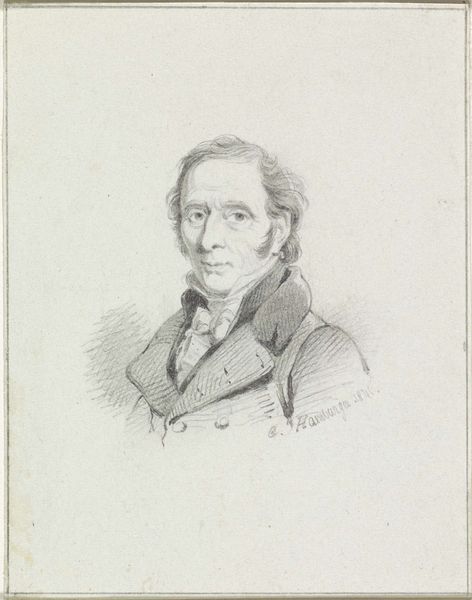
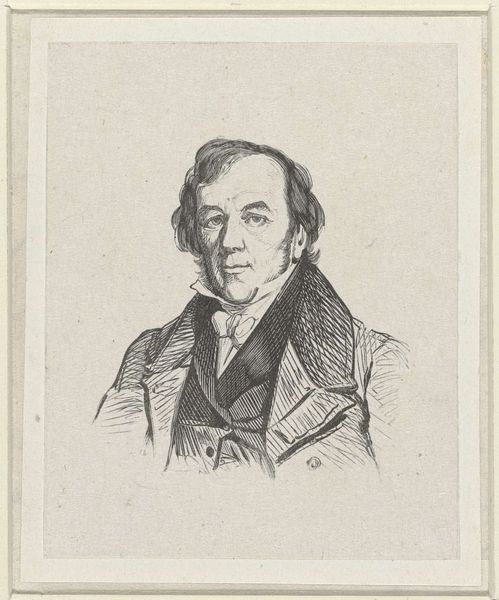
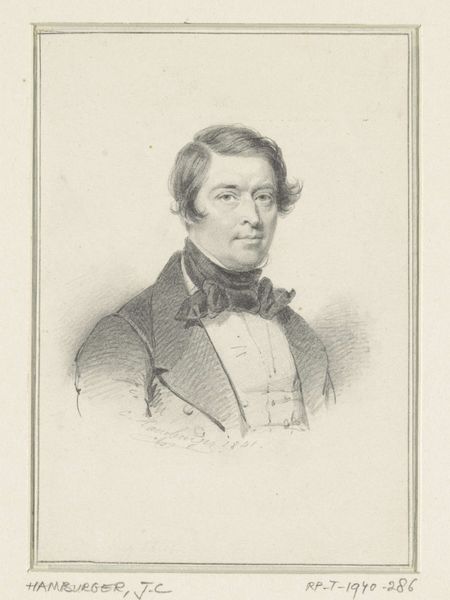
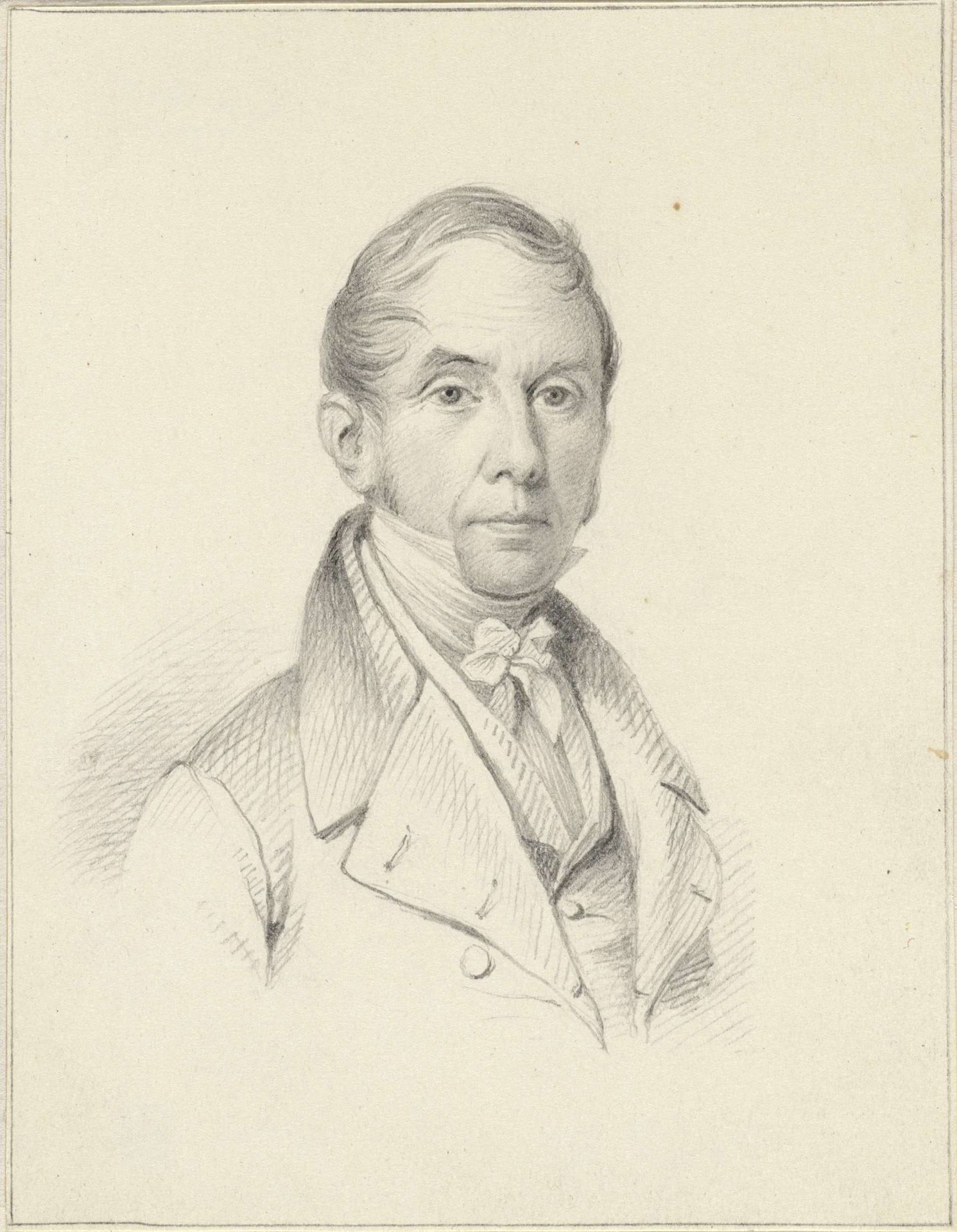
Johannes Hari I created this self-portrait using graphite, capturing his likeness in a formal composition. The most striking symbol is the bow tie, a relatively recent invention, yet tied to older traditions of neckwear that denoted status and formality. Consider the cravat, a symbol of sophistication worn since the 17th century, evolving into the more structured bow tie. The bow tie as we see it here appears in other portraits from this period, like those of prosperous merchants. The shape is reminiscent of a butterfly, a symbol of transformation, and a powerful motif in mythology and art. The way Hari presents himself also reflects an emotional self-control. A calm, measured presence is conveyed through the controlled lines of the portrait. It connects to the broader human desire to present a composed, capable self to the world, a theme echoed across cultures and eras.

Artwork details
- Medium
- drawing, pencil
- Dimensions
- height 110 mm, width 85 mm
- Location
- Rijksmuseum
- Copyright
- Rijks Museum: Open Domain
Tags
Comments
Share your thoughts
About this artwork
Johannes Hari I created this self-portrait using graphite, capturing his likeness in a formal composition. The most striking symbol is the bow tie, a relatively recent invention, yet tied to older traditions of neckwear that denoted status and formality. Consider the cravat, a symbol of sophistication worn since the 17th century, evolving into the more structured bow tie. The bow tie as we see it here appears in other portraits from this period, like those of prosperous merchants. The shape is reminiscent of a butterfly, a symbol of transformation, and a powerful motif in mythology and art. The way Hari presents himself also reflects an emotional self-control. A calm, measured presence is conveyed through the controlled lines of the portrait. It connects to the broader human desire to present a composed, capable self to the world, a theme echoed across cultures and eras.
Comments
Share your thoughts