About this artwork
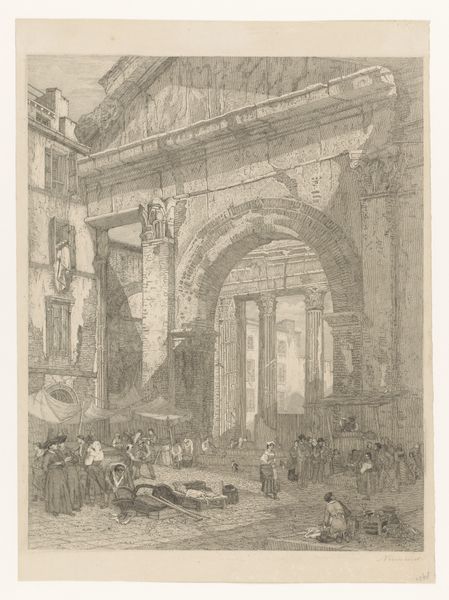
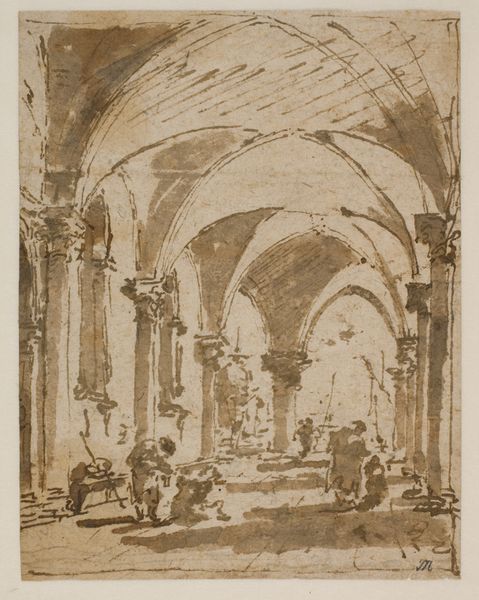
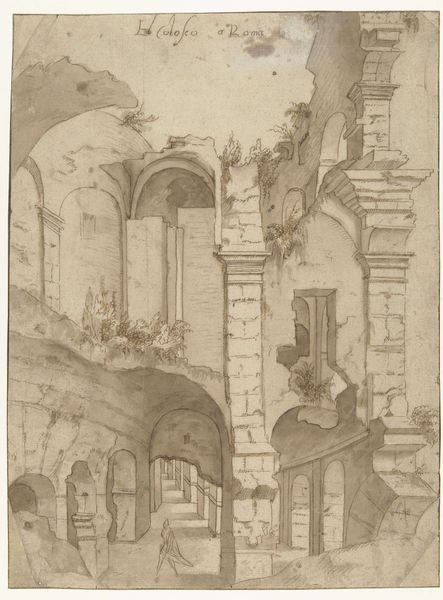
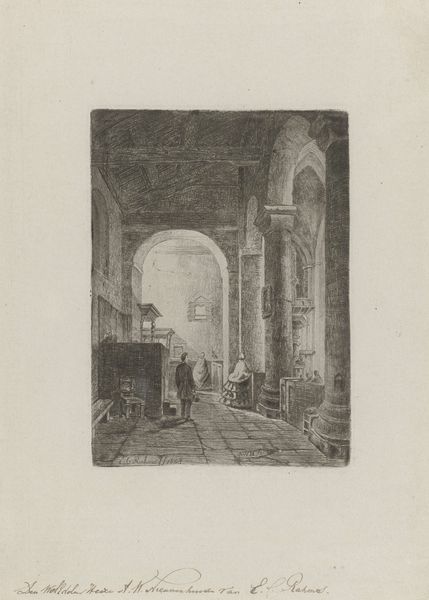
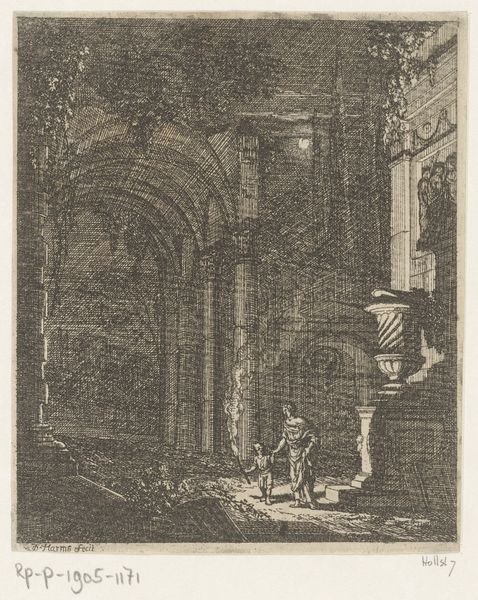
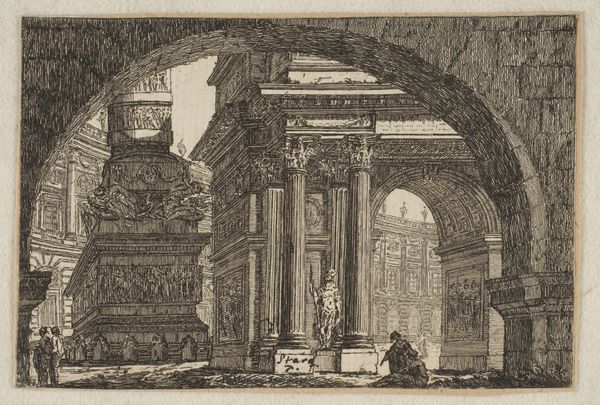
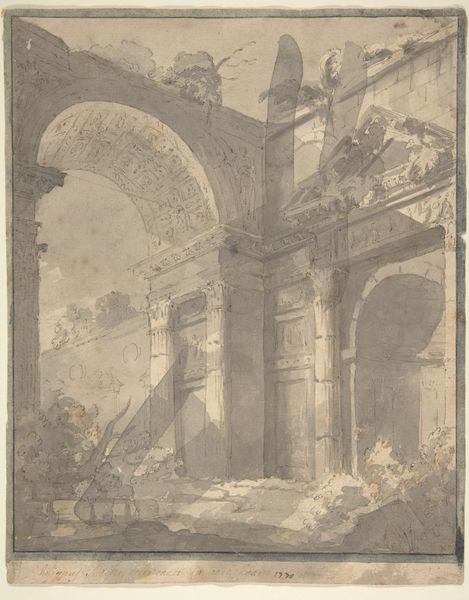
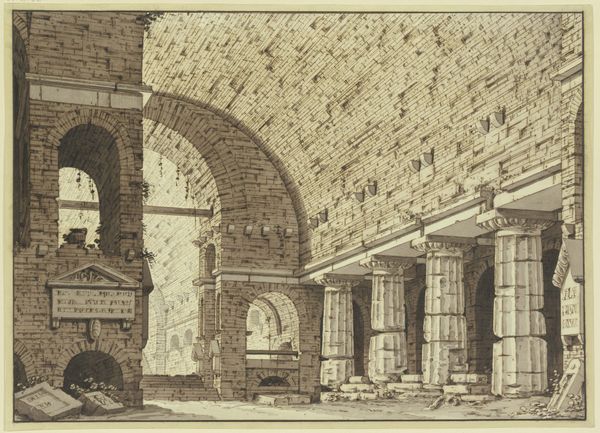
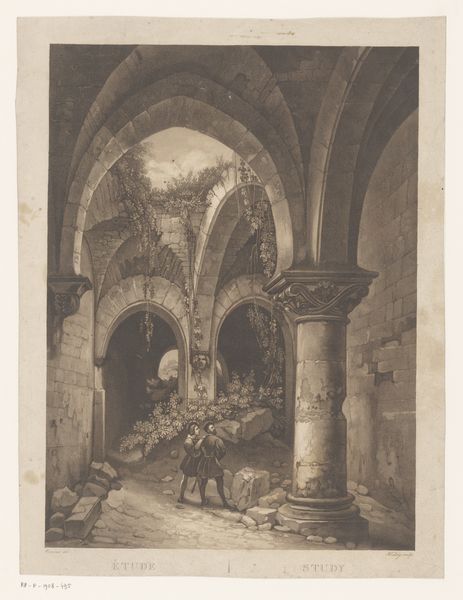
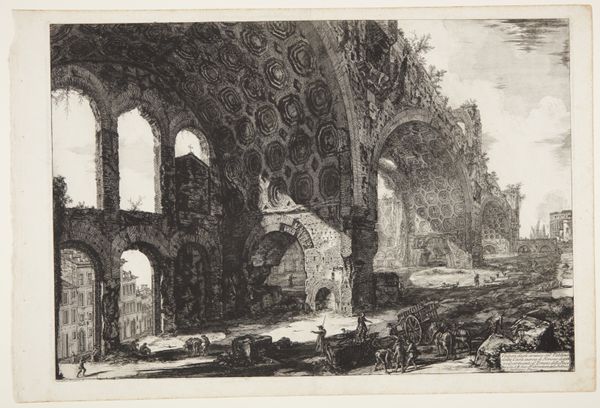
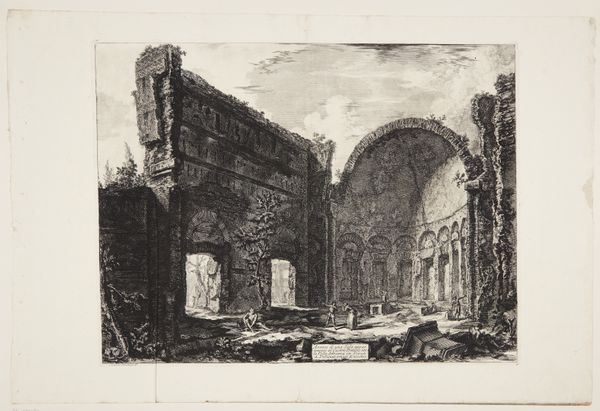
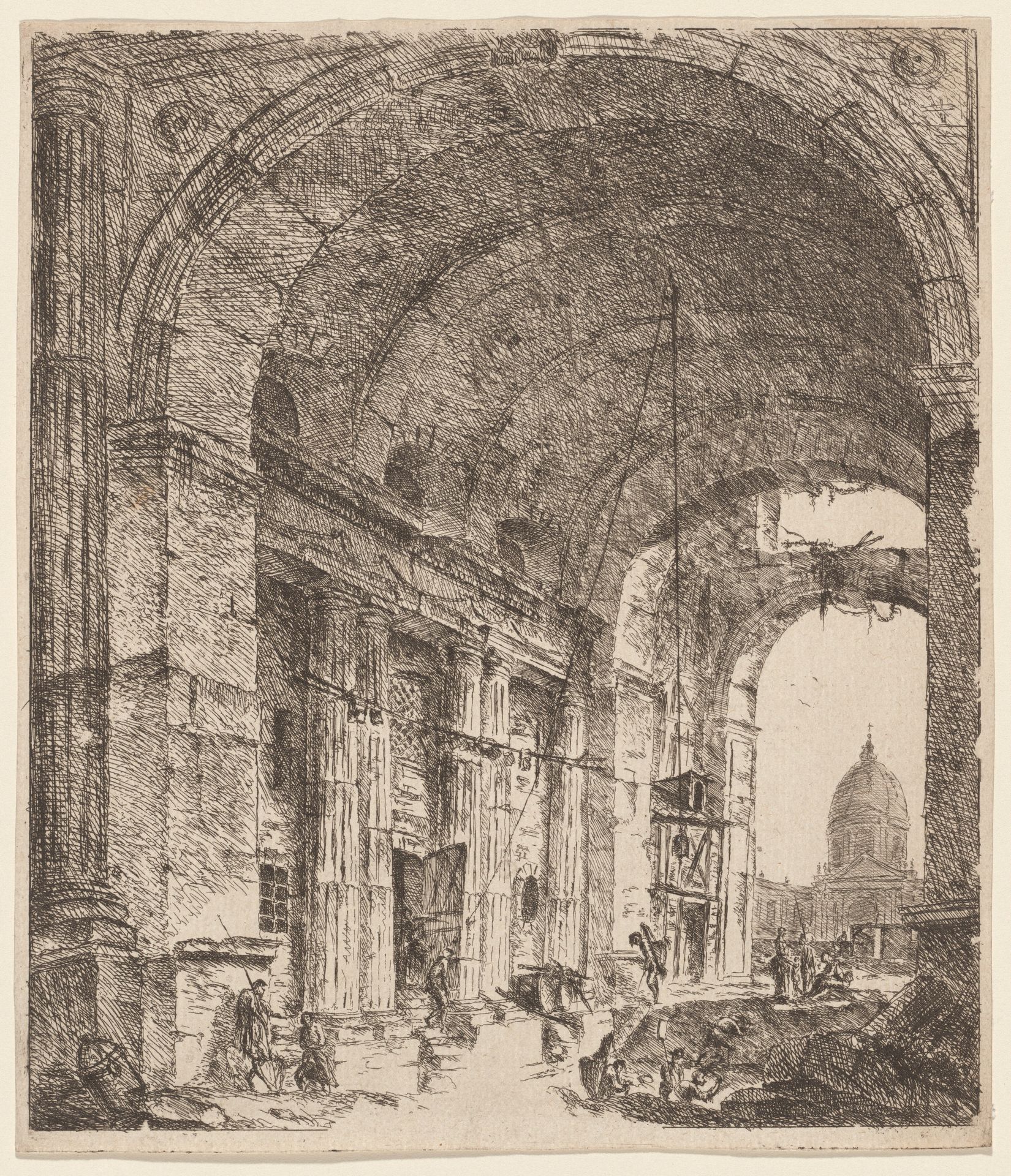
Victor Louis's etching presents us with a ruined vault that frames a distant view of Saint Peter’s Basilica. The vault, a symbol of past glory, is now decayed, yet it directs our gaze towards a center of religious power. The arch, in this state of ruin, evokes a sense of melancholy, reminiscent of Piranesi's explorations of Rome's decline. This motif of ruins speaks to the transient nature of human achievements, yet, paradoxically, it also highlights their enduring impact on our collective memory. Saint Peter’s dome rises in the background, not as a beacon of triumph, but as a muted reminder of spiritual ambition. The image engages us on a subconscious level, prompting reflections on the rise and fall of civilizations, and the emotional weight of history that continues to shape our perception of the world. In this visual dance, history is not a linear march, but a cyclical return, where echoes of the past resonate in the present, and the emotional weight of ruins subtly reshapes our sense of place.
A Ruined Vault with a Vista of Saint Peter’s c. late 18th century


Artwork details
- Medium
- drawing, tempera, print, etching, engraving, architecture
- Dimensions
- sheet: 23.7 × 20.6 cm (9 5/16 × 8 1/8 in.) (trimmed to platemark)
- Copyright
- National Gallery of Art: CC0 1.0
Tags
drawing
baroque
tempera
etching
landscape
cityscape
engraving
architecture
Comments
No comments
About this artwork
Victor Louis's etching presents us with a ruined vault that frames a distant view of Saint Peter’s Basilica. The vault, a symbol of past glory, is now decayed, yet it directs our gaze towards a center of religious power. The arch, in this state of ruin, evokes a sense of melancholy, reminiscent of Piranesi's explorations of Rome's decline. This motif of ruins speaks to the transient nature of human achievements, yet, paradoxically, it also highlights their enduring impact on our collective memory. Saint Peter’s dome rises in the background, not as a beacon of triumph, but as a muted reminder of spiritual ambition. The image engages us on a subconscious level, prompting reflections on the rise and fall of civilizations, and the emotional weight of history that continues to shape our perception of the world. In this visual dance, history is not a linear march, but a cyclical return, where echoes of the past resonate in the present, and the emotional weight of ruins subtly reshapes our sense of place.
Comments
No comments