About this artwork
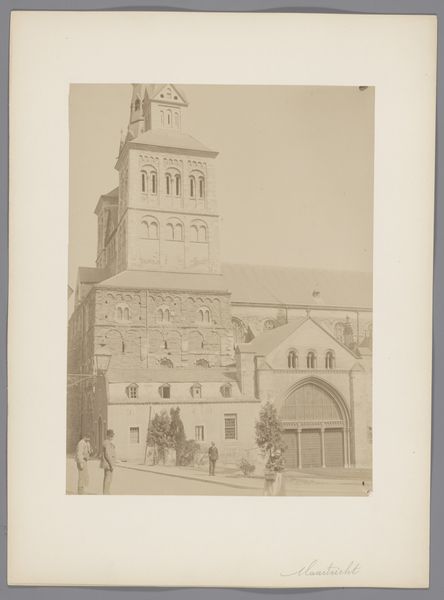
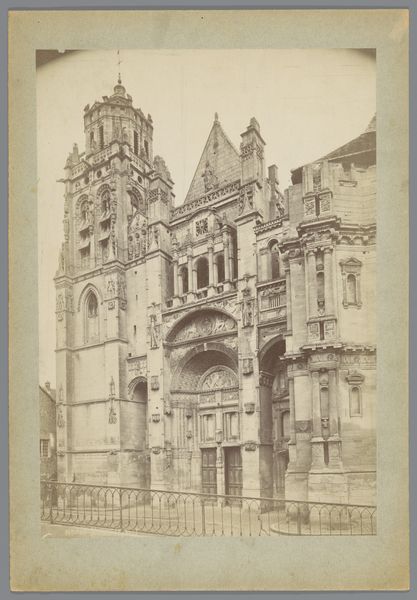
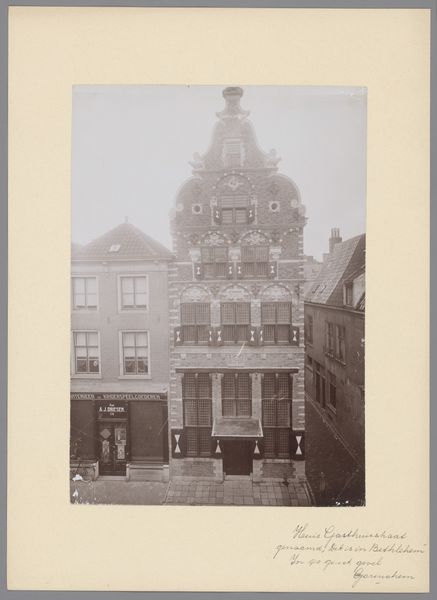
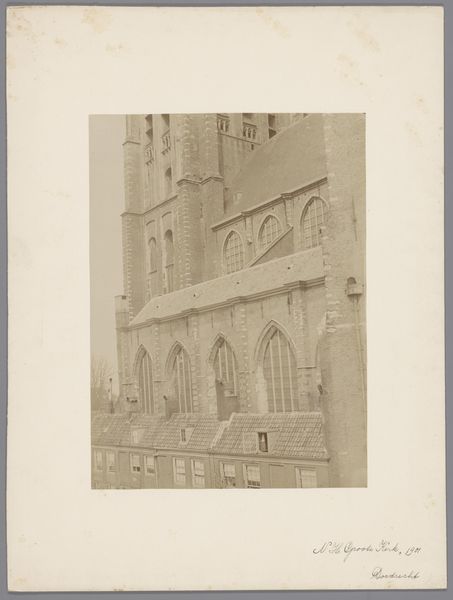
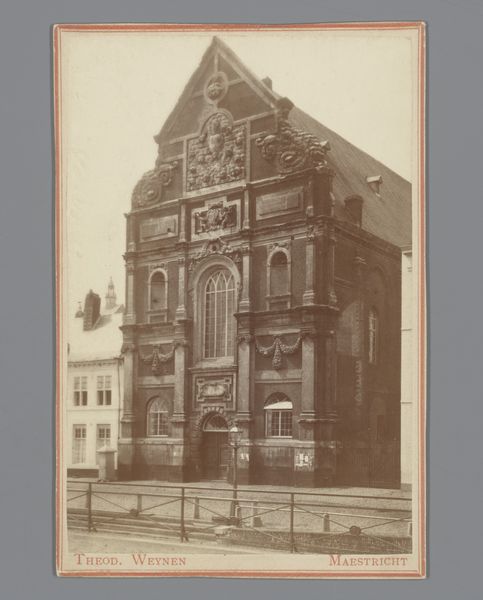
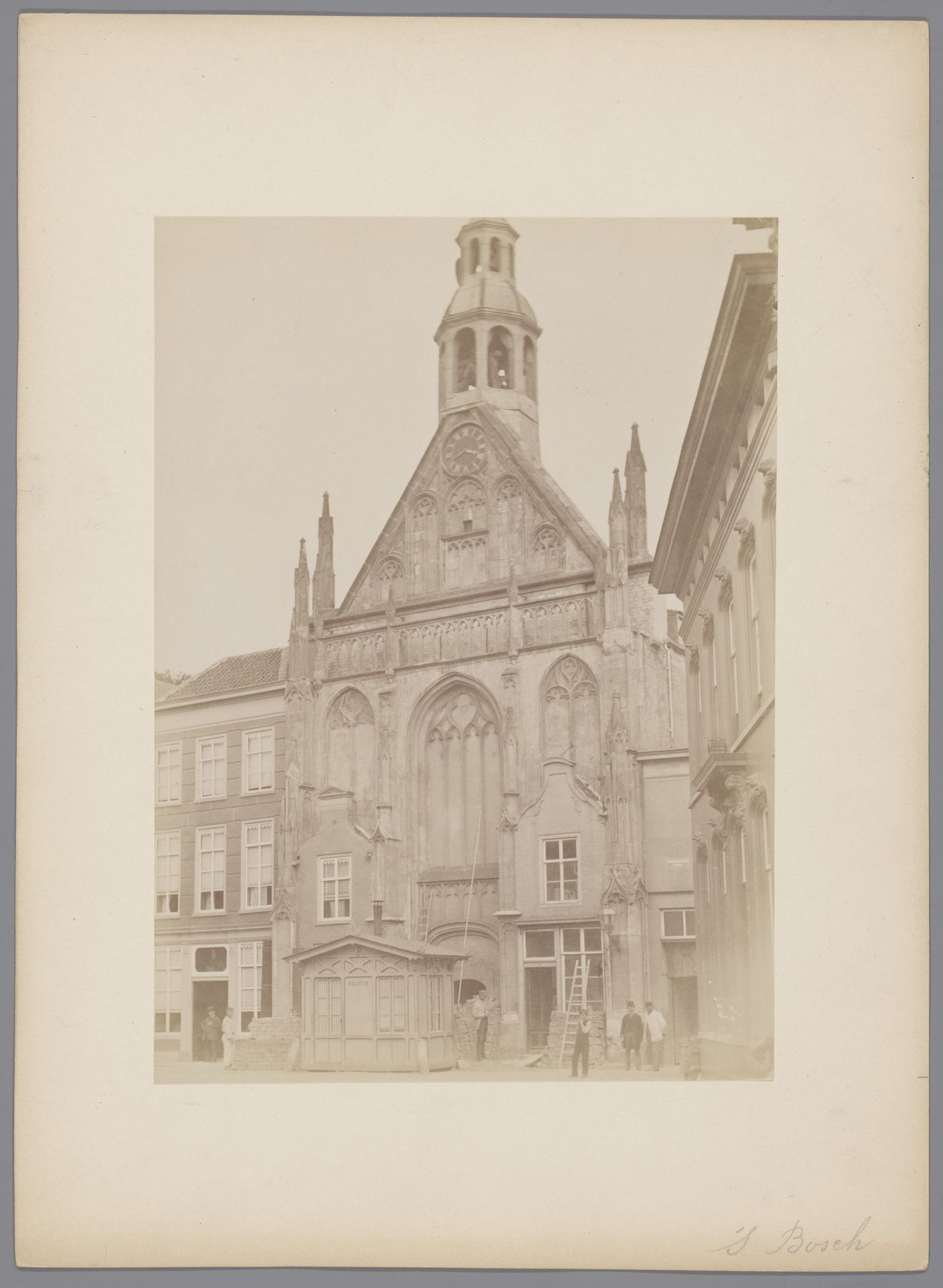
This anonymous photograph captures the Sint-Antoniuskapel in Den Bosch, its façade a tapestry of Gothic motifs. The pointed arches above the windows, reaching towards the heavens, immediately bring to mind similar arches in medieval cathedrals across Europe. This form, ubiquitous during the Gothic period, was thought to represent divine aspiration. In early Mesopotamian art, similar forms were used in monumental architecture to invoke awe and project power. Here, though, the intent is to inspire a deeply felt sense of reverence. It’s a testament to how architectural symbolism can evoke profound emotional responses, connecting us through collective memory to centuries of spiritual and aesthetic expression. Each arch, each pointed spire, echoes through time, carrying the weight of cultural history.
Gezicht op de Sint-Antoniuskapel te Den Bosch
1890 - 1920

Artwork details
- Dimensions
- height 231 mm, width 164 mm
- Copyright
- Rijks Museum: Open Domain
Comments
Share your thoughts
About this artwork
This anonymous photograph captures the Sint-Antoniuskapel in Den Bosch, its façade a tapestry of Gothic motifs. The pointed arches above the windows, reaching towards the heavens, immediately bring to mind similar arches in medieval cathedrals across Europe. This form, ubiquitous during the Gothic period, was thought to represent divine aspiration. In early Mesopotamian art, similar forms were used in monumental architecture to invoke awe and project power. Here, though, the intent is to inspire a deeply felt sense of reverence. It’s a testament to how architectural symbolism can evoke profound emotional responses, connecting us through collective memory to centuries of spiritual and aesthetic expression. Each arch, each pointed spire, echoes through time, carrying the weight of cultural history.
Comments
Share your thoughts