1778 - 1779
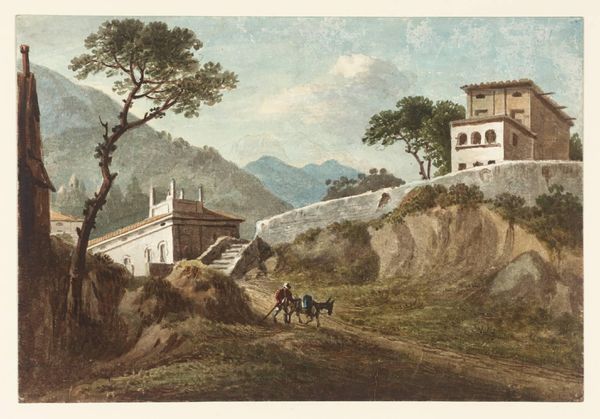
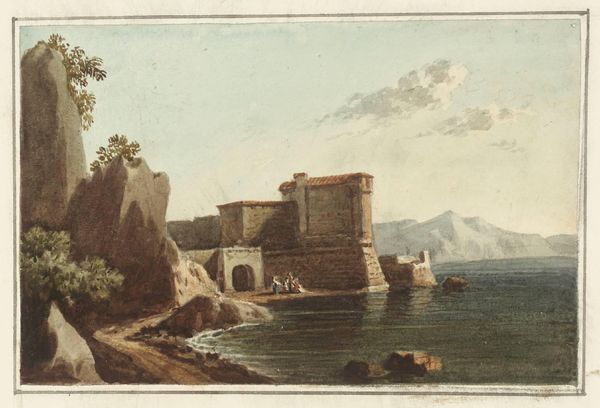
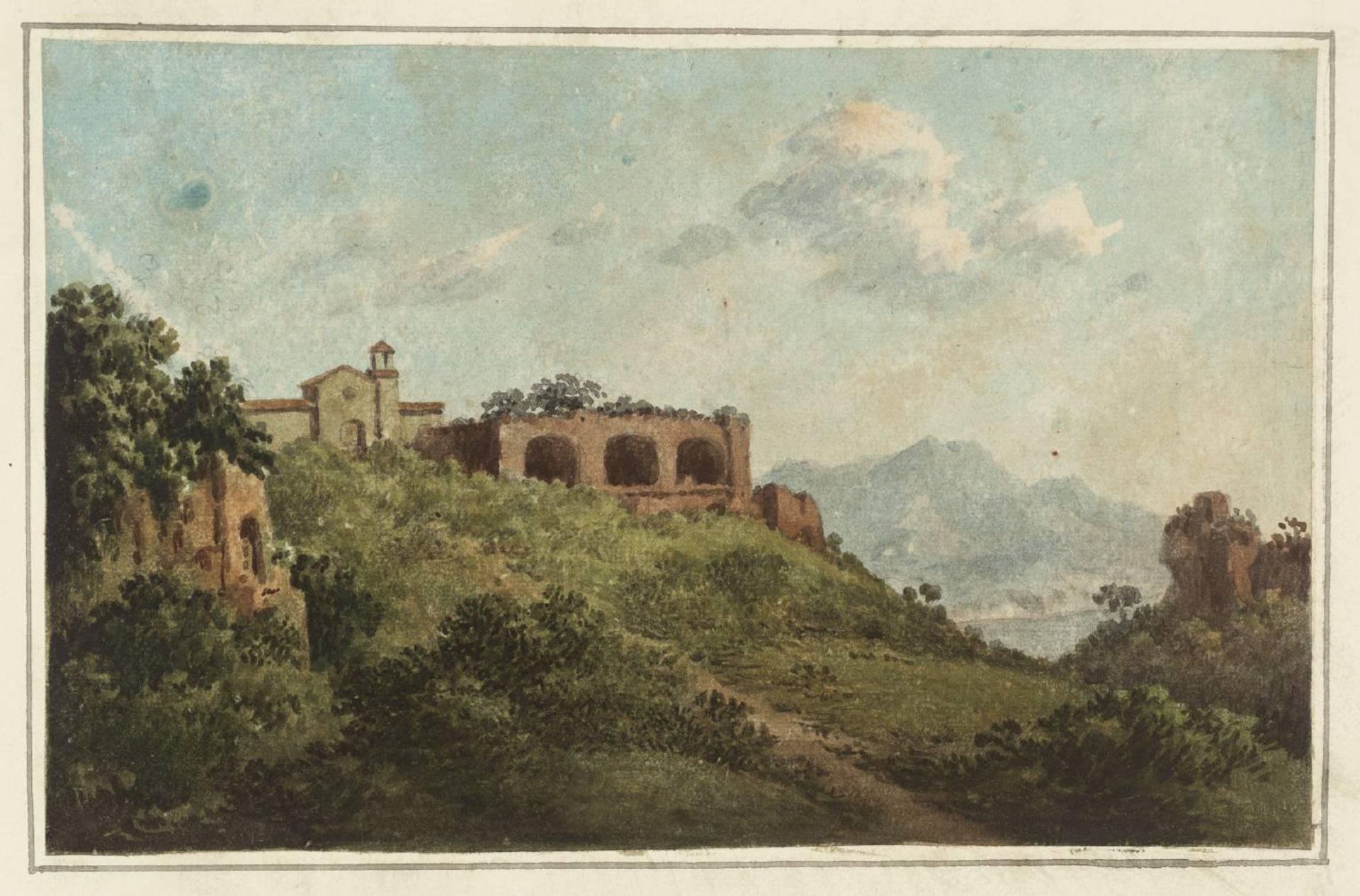
10. Ruins of Tiberius’ Palace, Capraea

Listen to curator's interpretation
Curatorial notes
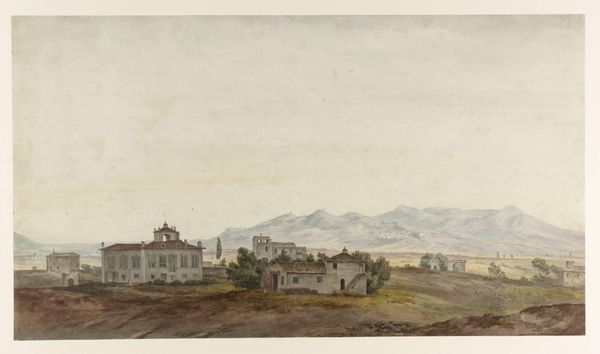
Editor: This watercolor, "Ruins of Tiberius’ Palace, Capraea" by John 'Warwick' Smith, presents a tranquil scene, yet the crumbling architecture evokes a sense of past grandeur. What can you tell me about its historical context? Curator: Smith’s image reflects the 18th-century fascination with antiquity and the Grand Tour. These picturesque ruins became symbols of both imperial power and its inevitable decay, influencing contemporary political and social thought. How do you think the accessibility of such imagery shaped public opinion about history? Editor: It probably made history more tangible, fueling discussions around power and legacy. I never thought of landscape art as having a political voice! Curator: Precisely. And Smith's work, widely circulated through prints, played a role in shaping that voice. These images weren’t just records; they were active participants in cultural discourse. Editor: I'll definitely look at landscape painting differently now. Thanks! Curator: My pleasure. It's rewarding to see how art history can inform our understanding of cultural power.