About this artwork
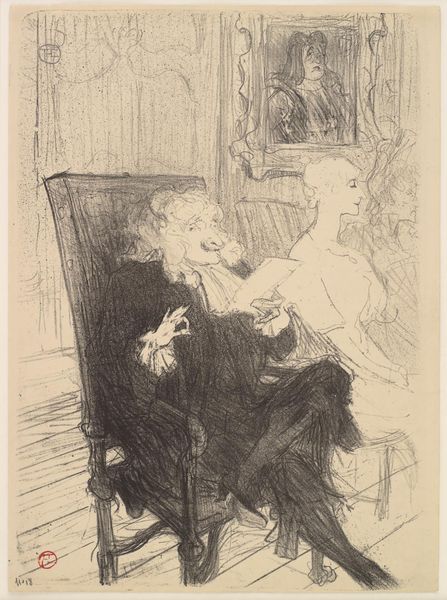
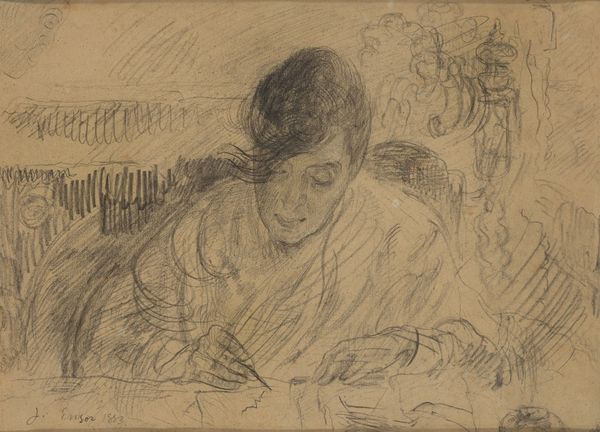
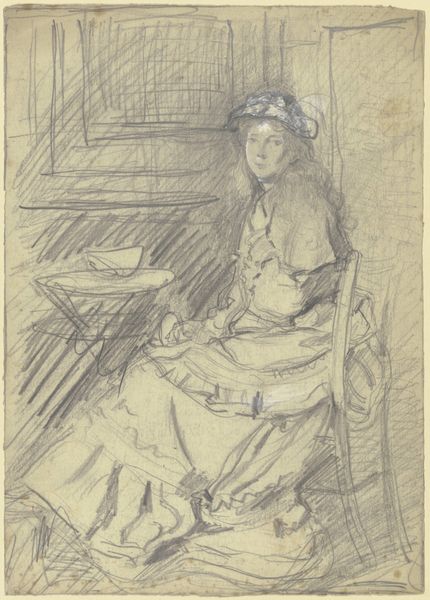
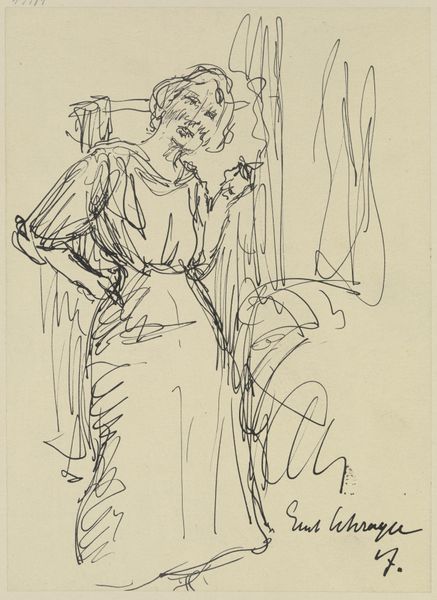
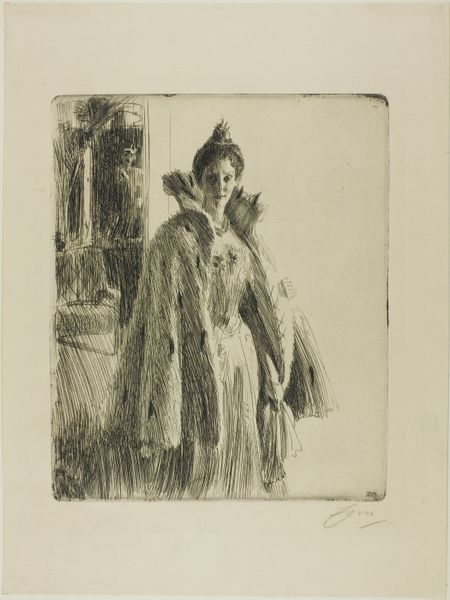
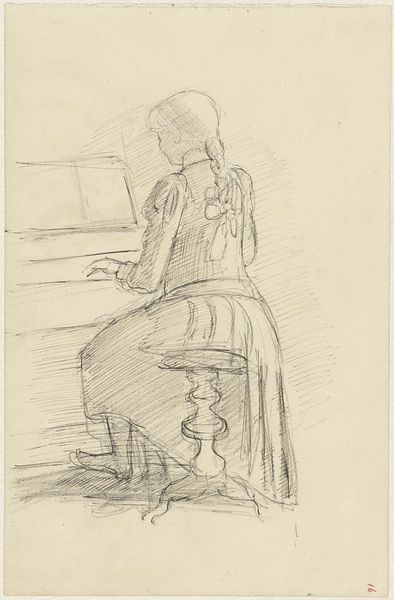
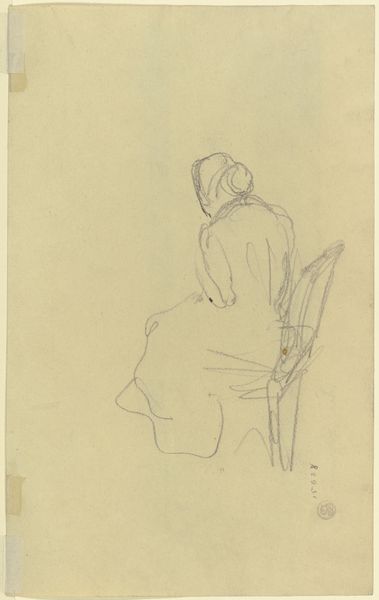
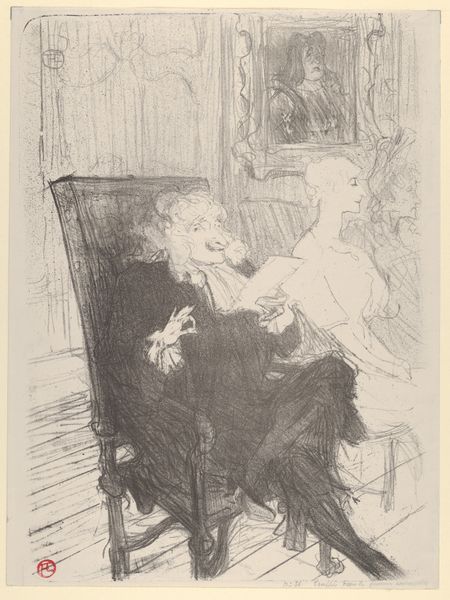
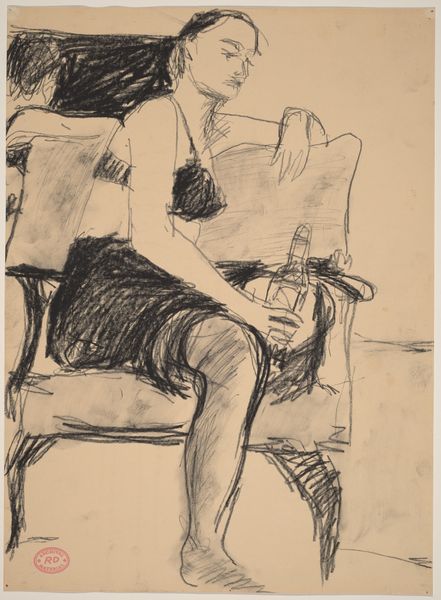
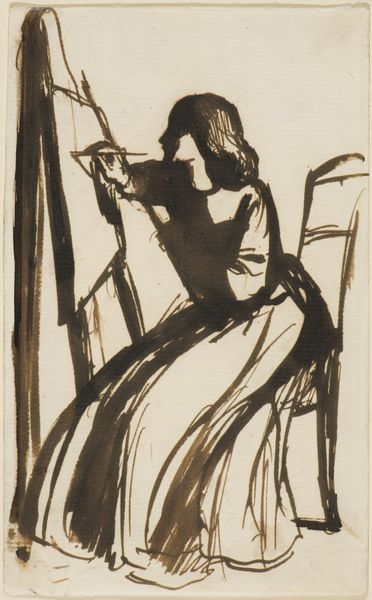
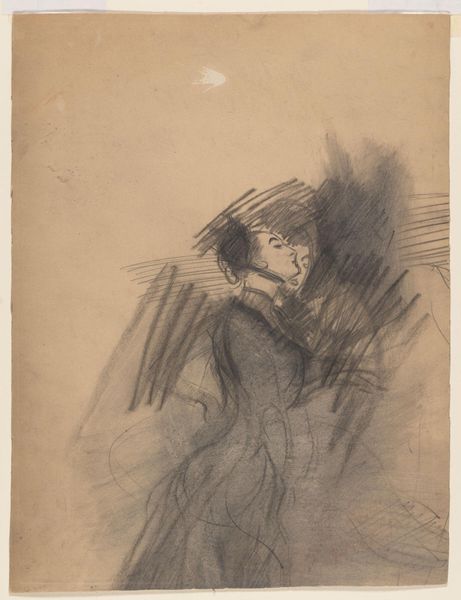
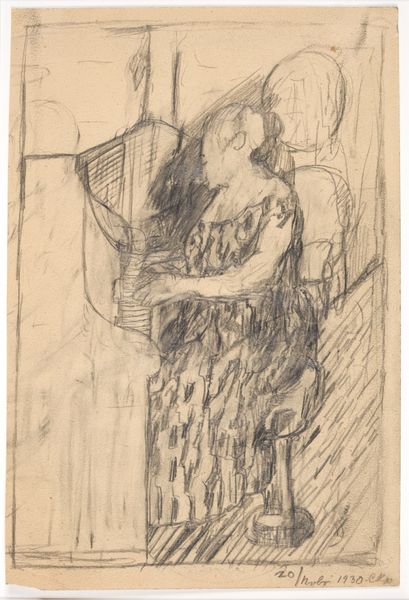
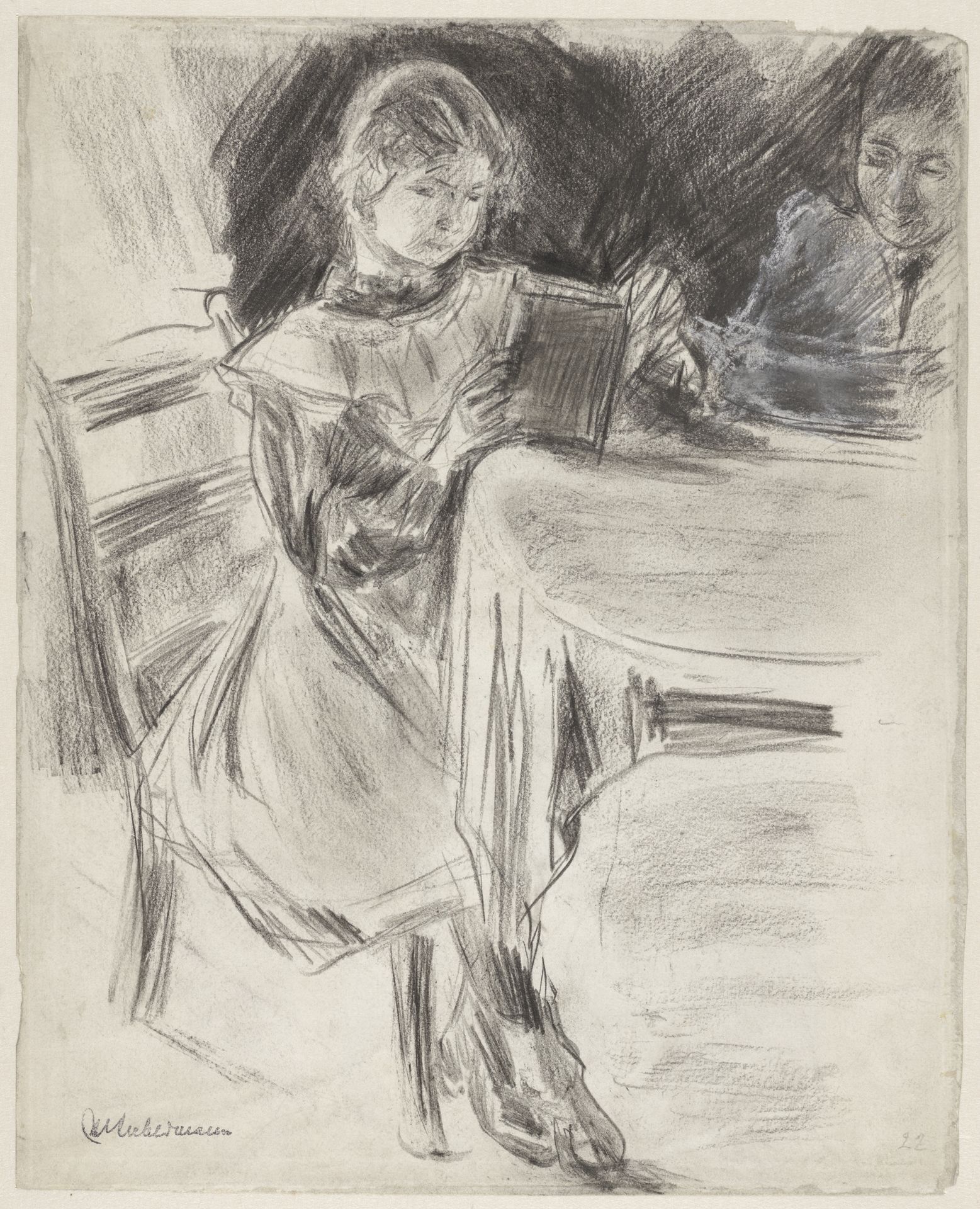
Max Liebermann made this sketch of his wife and daughter reading at a table. Liebermann was a leading figure in the Berlin Secession, an artists’ group which challenged the established academic art world of Wilhelmine Germany in the late 19th century. The Secessionists sought to exhibit art that was modern and independent, free from the constraints of the state-controlled art institutions. This simple scene of domestic life reflects an interest in everyday subjects, characteristic of the Impressionist movement that Liebermann was a part of. The act of reading itself, particularly for women, was a charged subject in this period. It symbolized education, independence, and a challenge to traditional gender roles. Through detailed biographical research into the Liebermann family, and study of the social history of reading in Germany, we can understand how this image participates in broader cultural conversations about art and modern life.
Dochtertje en vrouw van Max Liebermann, lezend aan een ronde tafel 1870 - 1935

Max Liebermann
1847 - 1935Location
RijksmuseumArtwork details
- Dimensions
- height 368 mm, width 296 mm
- Location
- Rijksmuseum
- Copyright
- Rijks Museum: Open Domain
Comments
No comments
About this artwork
Max Liebermann made this sketch of his wife and daughter reading at a table. Liebermann was a leading figure in the Berlin Secession, an artists’ group which challenged the established academic art world of Wilhelmine Germany in the late 19th century. The Secessionists sought to exhibit art that was modern and independent, free from the constraints of the state-controlled art institutions. This simple scene of domestic life reflects an interest in everyday subjects, characteristic of the Impressionist movement that Liebermann was a part of. The act of reading itself, particularly for women, was a charged subject in this period. It symbolized education, independence, and a challenge to traditional gender roles. Through detailed biographical research into the Liebermann family, and study of the social history of reading in Germany, we can understand how this image participates in broader cultural conversations about art and modern life.
Comments
No comments