c. 1515 - 1520
Martelaarschap van de tienduizend (vijfde deel)

Domenico Campagnola
1500 - 1564Location
RijksmuseumListen to curator's interpretation
Curatorial notes
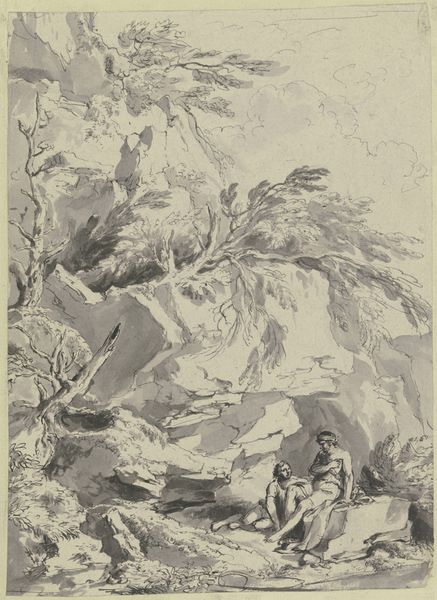
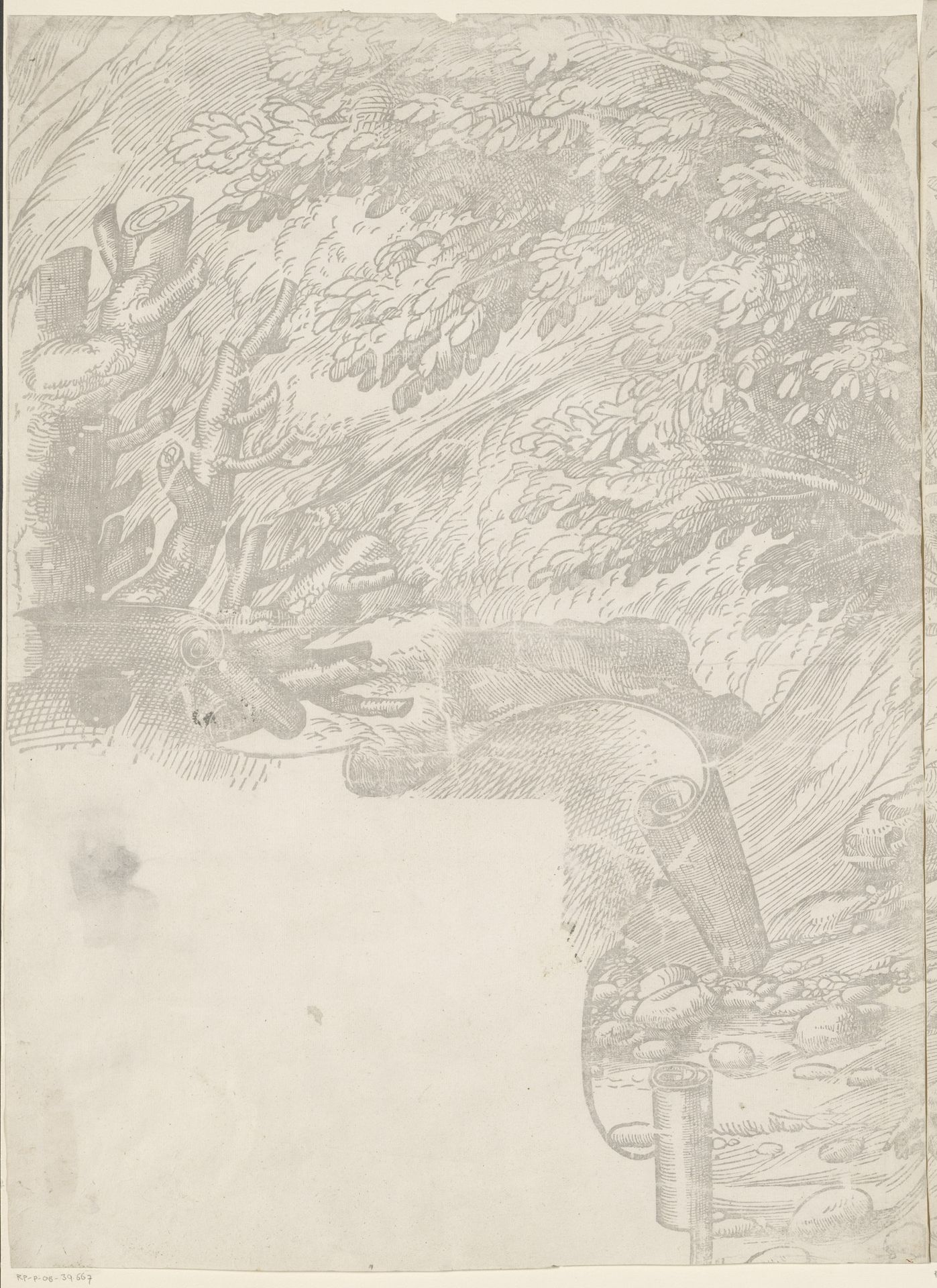
Domenico Campagnola created this drawing, ‘Martyrdom of the Ten Thousand, Part Five’, using pen in around 1540 in Italy. The scene depicts a rather gruesome martyrdom, but it's worth noting the way Campagnola has used his pen to create depth and texture. The narrative of mass martyrdom gained traction in the medieval period, serving various social and ideological functions. Tales of Christian suffering often emerged during times of persecution, serving to unite believers and strengthen their resolve. These stories also functioned as propaganda, demonstrating the perceived barbarity of non-believers. Campagnola’s Italy was experiencing religious and political upheaval, and artworks like this were central to how people made sense of it. To truly understand this work, one might delve into the visual culture of 16th-century Italy, the history of Christian martyrdom, and the role of religious imagery in shaping public opinion during times of conflict. After all, art is always shaped by the social and institutional forces around it.