About this artwork
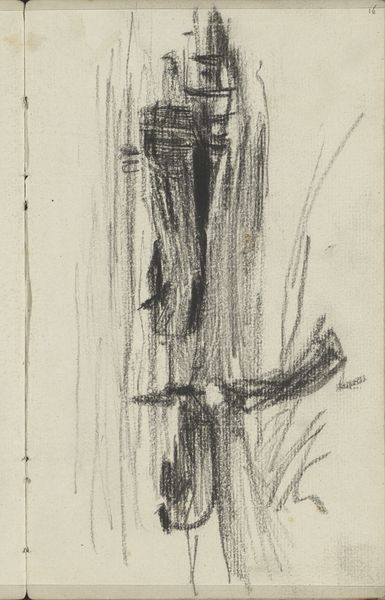
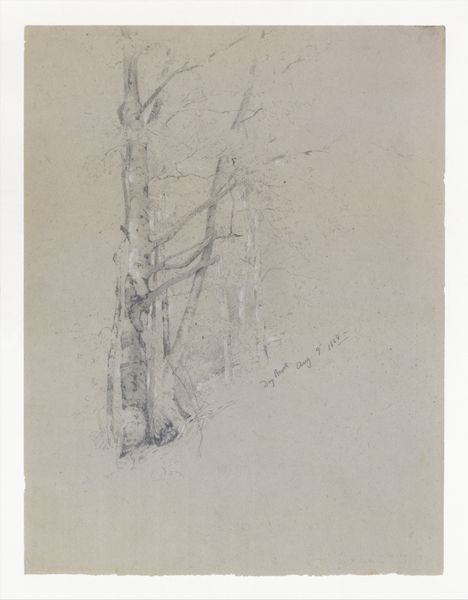
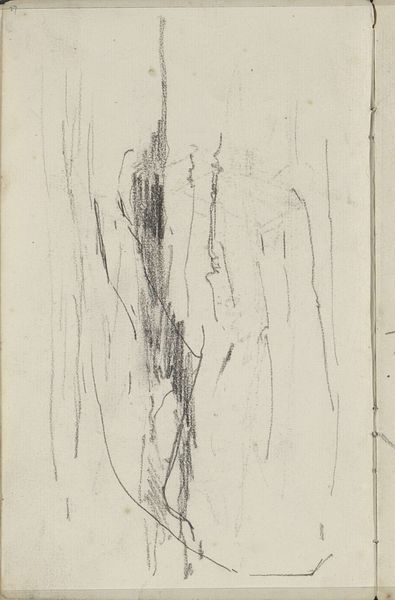
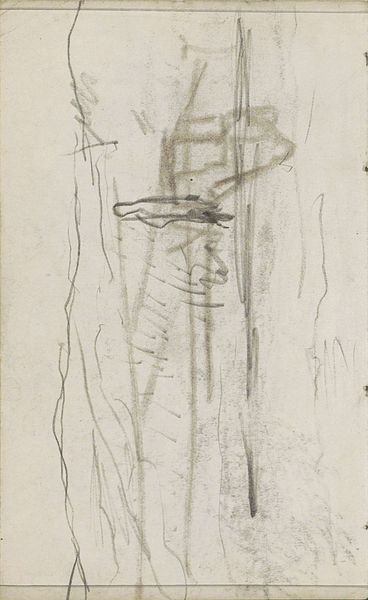
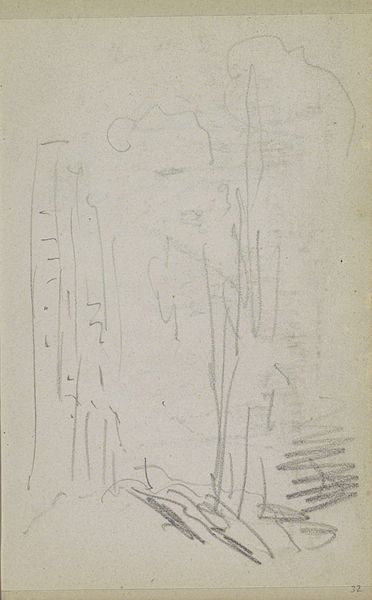
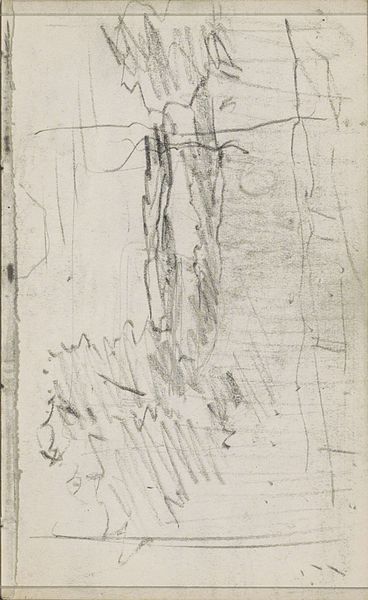
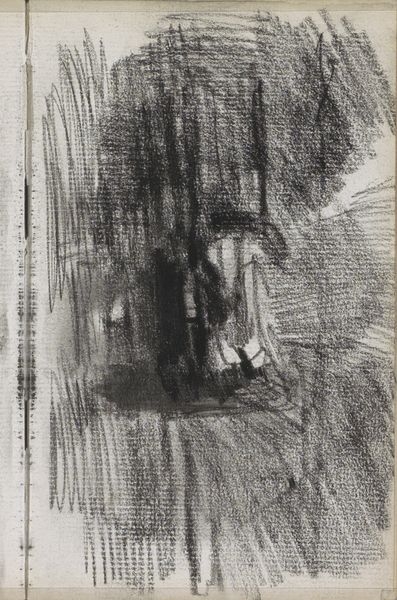
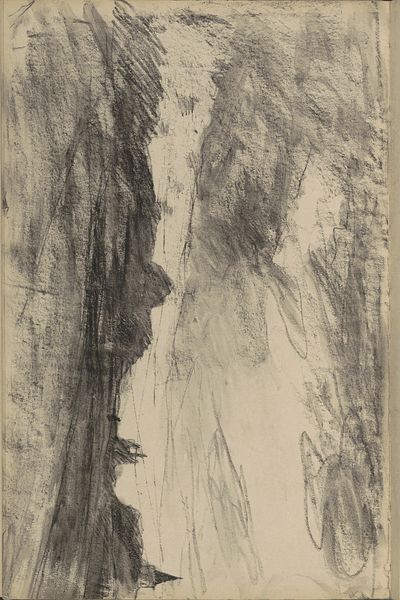
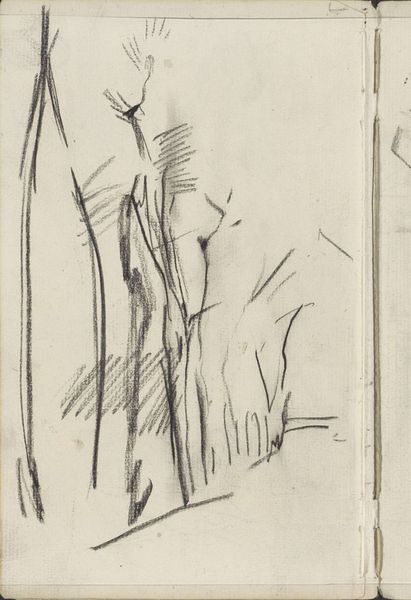
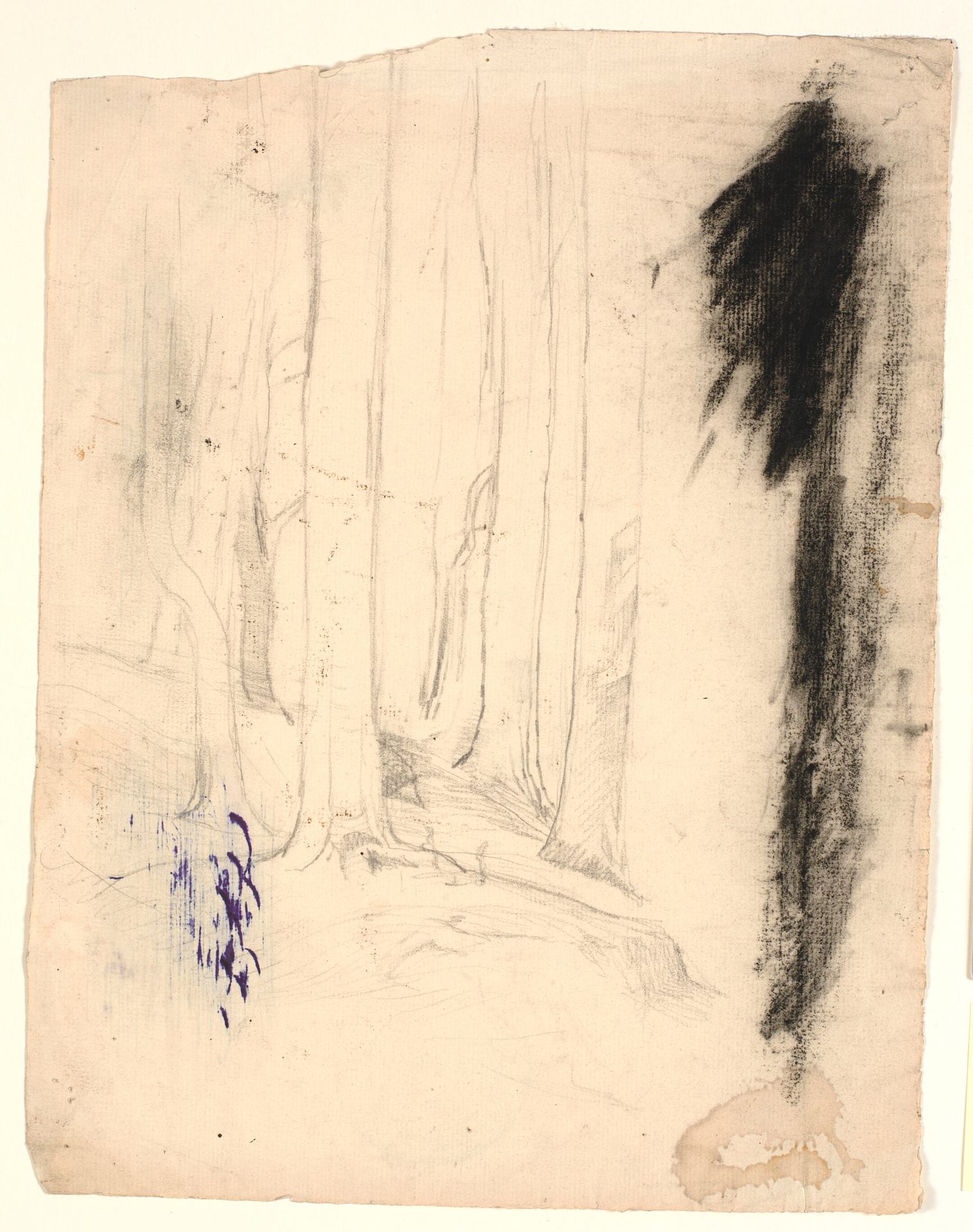
Poul S. Christiansen created "Træstammer," or "Tree Trunks," as a drawing of graphite and blue ink on paper. This sketch offers a glimpse into the artistic practices of late 19th-century Denmark, a period marked by evolving attitudes toward nature and landscape. The image presents a stand of trees, sketched with a delicate hand and minimal detail, inviting us to consider the role of nature in Danish national identity and cultural expression. During this period, artists increasingly turned to the natural world as a source of inspiration and a means of exploring themes of national romanticism and cultural preservation. The presence of this sketch within the collection of the Statens Museum for Kunst raises interesting questions about the evolving institutional appreciation for preparatory studies and works on paper. As art historians, we use a variety of sources—artists' letters, exhibition reviews, and social histories—to illuminate the rich layers of meaning embedded within such seemingly simple images. By considering the broader social and institutional context in which "Tree Trunks" was created, we gain a deeper understanding of its significance as a cultural artifact.
Træstammer
1855 - 1933


Artwork details
- Medium
- drawing, pencil, charcoal
- Dimensions
- 300 mm (height) x 235 mm (width) (bladmaal)
- Location
- SMK - Statens Museum for Kunst
Tags
Comments
Share your thoughts
About this artwork
Poul S. Christiansen created "Træstammer," or "Tree Trunks," as a drawing of graphite and blue ink on paper. This sketch offers a glimpse into the artistic practices of late 19th-century Denmark, a period marked by evolving attitudes toward nature and landscape. The image presents a stand of trees, sketched with a delicate hand and minimal detail, inviting us to consider the role of nature in Danish national identity and cultural expression. During this period, artists increasingly turned to the natural world as a source of inspiration and a means of exploring themes of national romanticism and cultural preservation. The presence of this sketch within the collection of the Statens Museum for Kunst raises interesting questions about the evolving institutional appreciation for preparatory studies and works on paper. As art historians, we use a variety of sources—artists' letters, exhibition reviews, and social histories—to illuminate the rich layers of meaning embedded within such seemingly simple images. By considering the broader social and institutional context in which "Tree Trunks" was created, we gain a deeper understanding of its significance as a cultural artifact.
Comments
Share your thoughts