1898
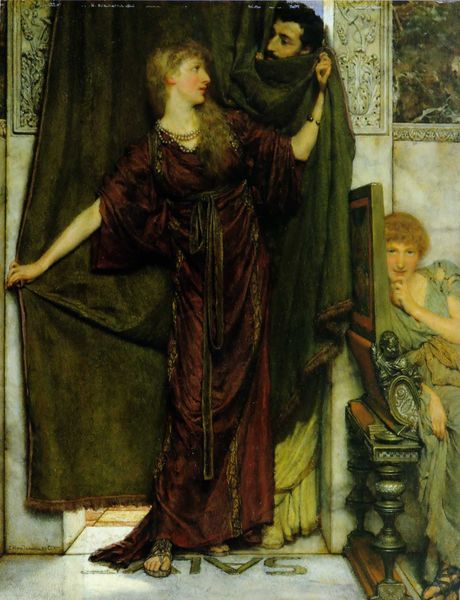
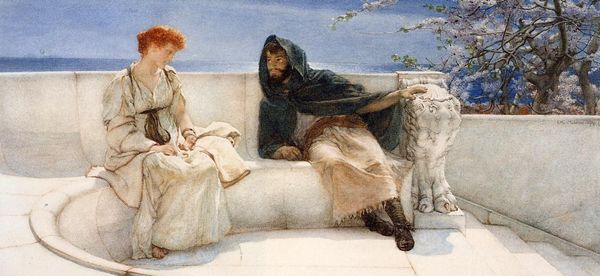
The Conversion Of Paula By Saint Jerome

Lawrence Alma-Tadema
1836 - 1912Location
Private CollectionListen to curator's interpretation
Curatorial notes
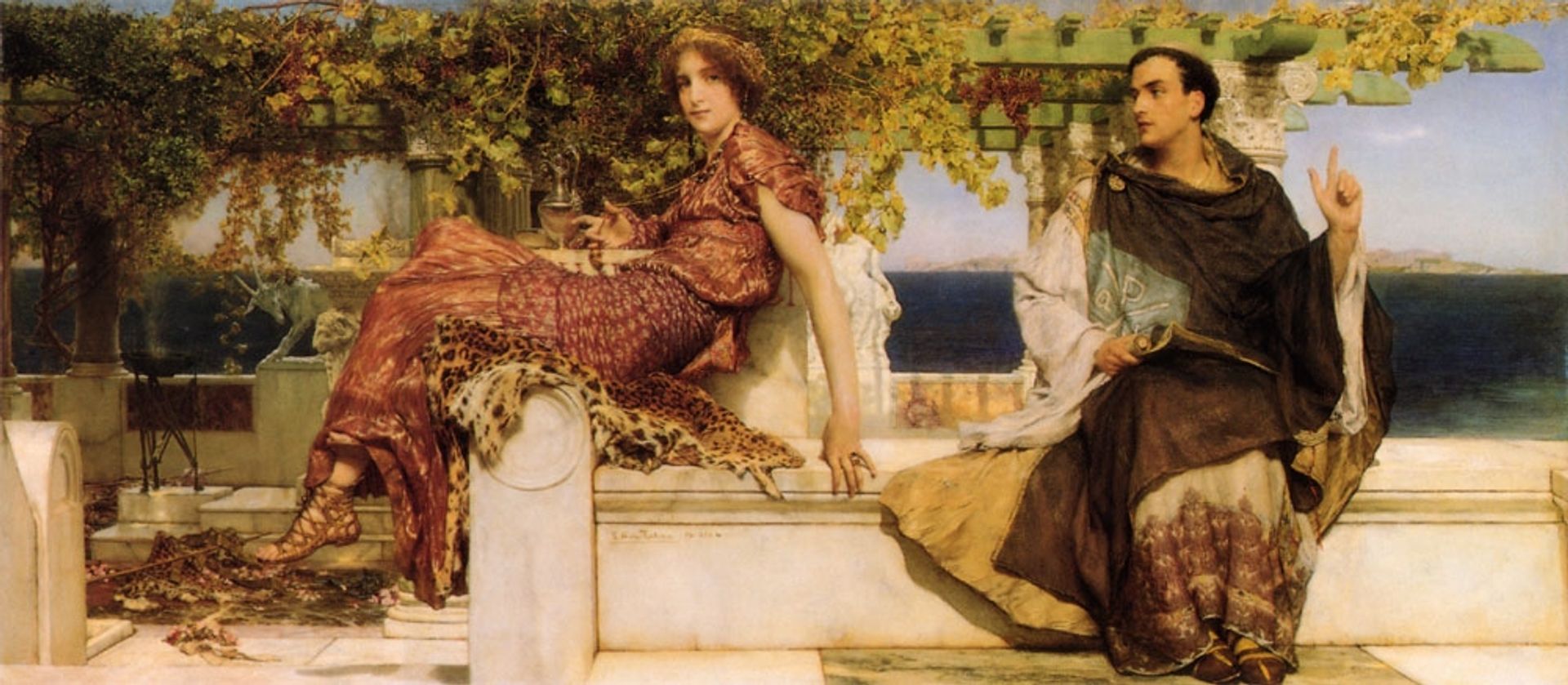
Lawrence Alma-Tadema painted "The Conversion of Paula by Saint Jerome" in the late 19th century, a period when historical and biblical themes served as vehicles for exploring contemporary social and moral issues. Here, we see Saint Jerome, a pivotal figure in early Christian history, engaged in a dialogue with Paula, a noblewoman, ostensibly about her spiritual transformation. Tadema, working in Victorian England, was deeply influenced by archaeological findings and a renewed interest in classical antiquity. The setting, costumes, and architecture reflect this meticulous research. The painting is not merely a depiction of a biblical story, but also comments on the social structures of his time, particularly the role of women and the influence of religious figures. To truly understand this piece, we might delve into the writings of Saint Jerome himself, as well as studies of Victorian society and its complex relationship with religion and class. Art, in this sense, is a mirror reflecting the values and preoccupations of the society that produces it.