c. 1925 - 1929
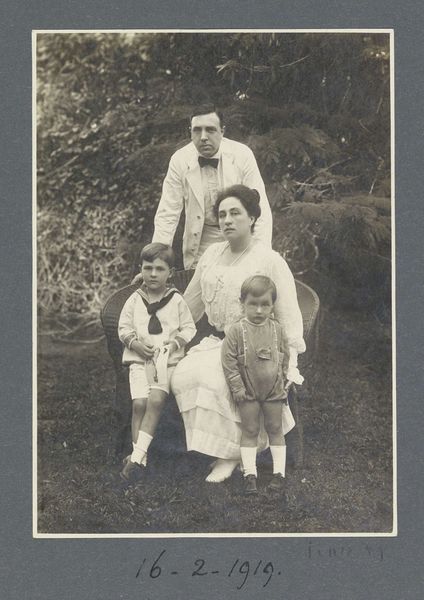
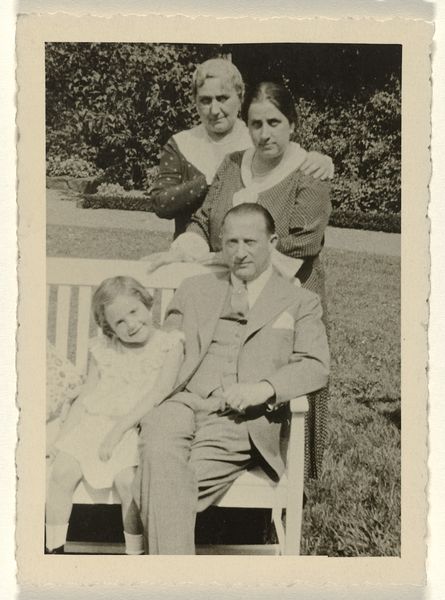
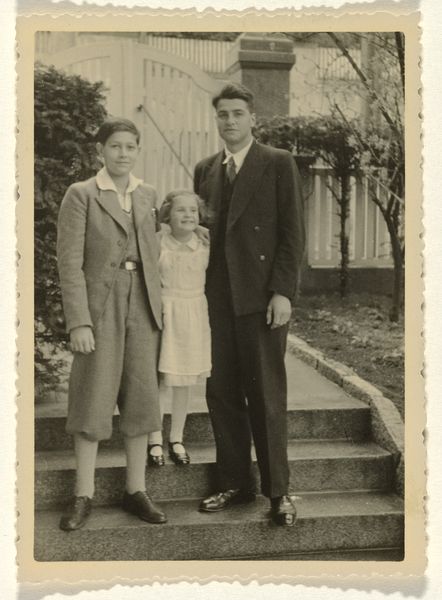
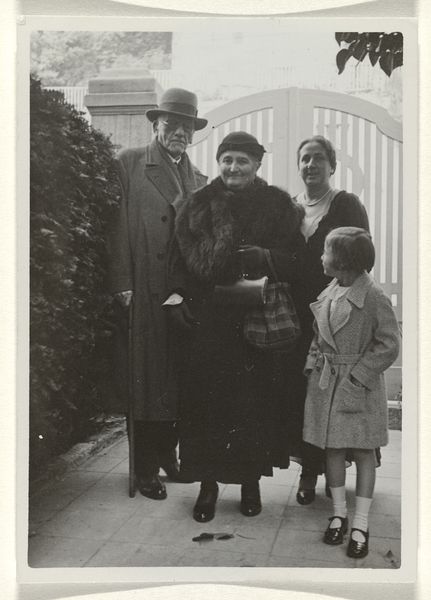
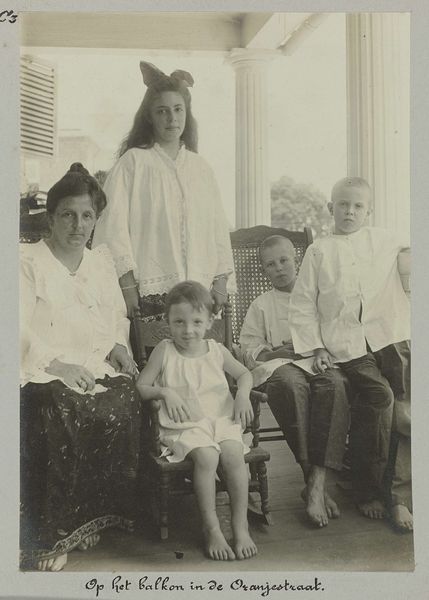
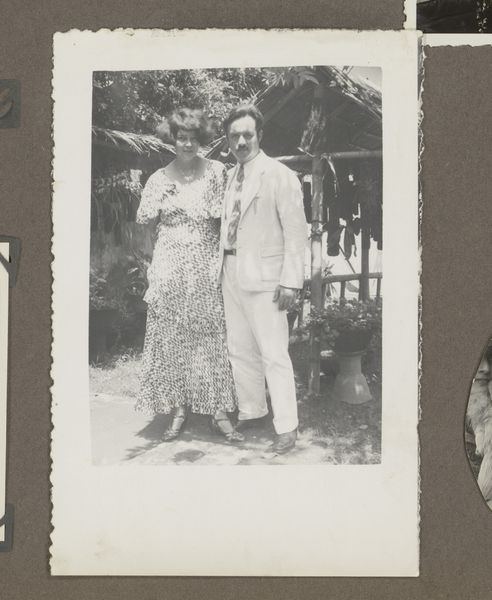
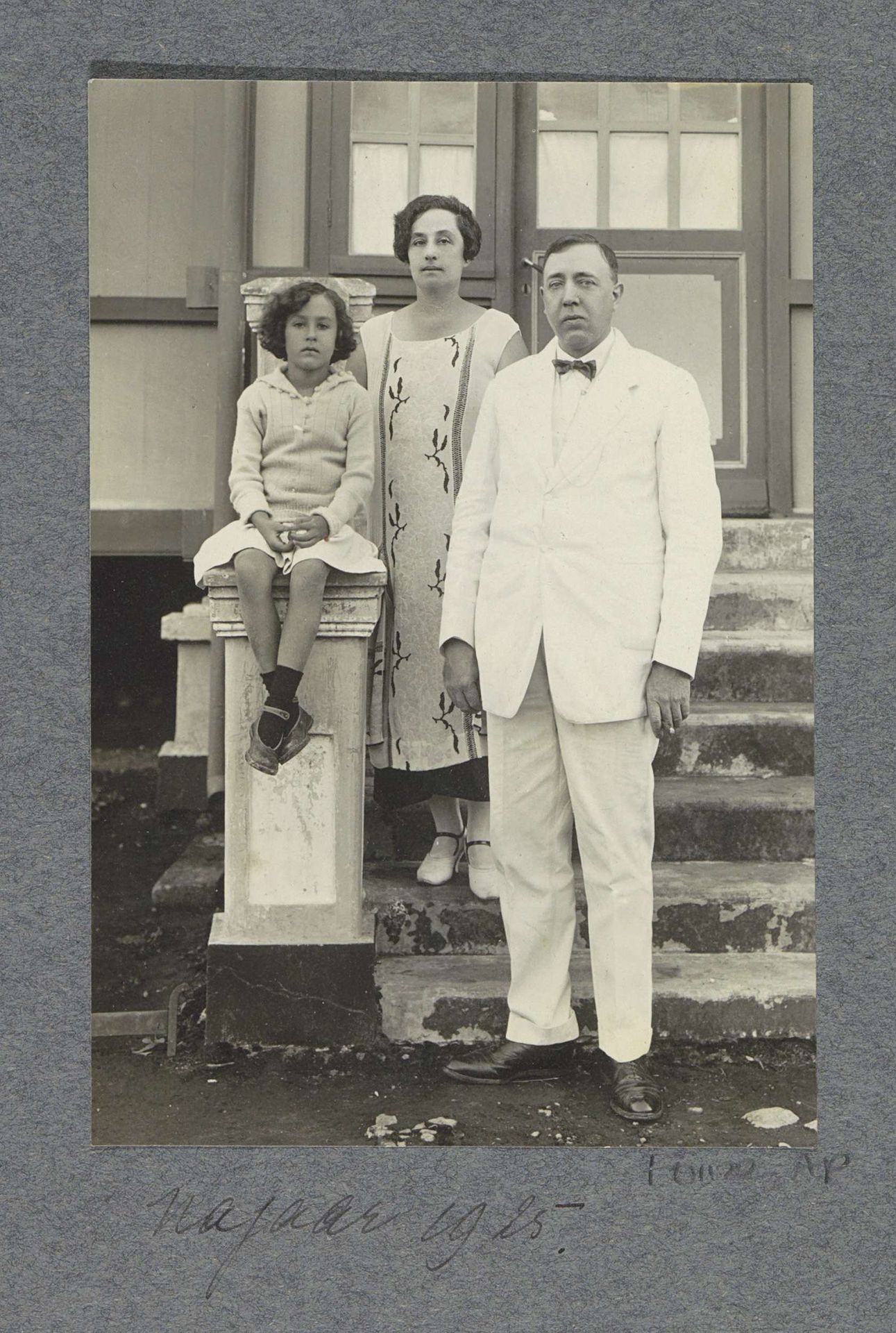
Eiso en Gerda Bergsma met hun dochter Netta op een bordes op Sumatra

Anonymous
@anonymousLocation
RijksmuseumListen to curator's interpretation
Curatorial notes
Editor: Here we have a photograph titled "Eiso en Gerda Bergsma met hun dochter Netta op een bordes op Sumatra," dating from around 1925 to 1929. It's anonymous and captures a family portrait. It seems so staged and formal for such a casual scene. What does this image tell you? Curator: Well, immediately, the staged nature tells me quite a bit. The fact that this Dutch family in Sumatra felt compelled to create this carefully constructed image speaks volumes about colonial power dynamics. The all-white attire, the stiff poses, the house itself—it all projects an image of authority and Western ideals in a foreign landscape. Editor: So, it's less about a personal family memory and more about projecting a specific image? Curator: Precisely. Think about the social and political context. Photography at this time in colonial settings often served to document and reinforce hierarchies. The act of commissioning such a portrait was a way to assert their status and belonging in the colonial environment, even while visibly separated. Notice how little Netta looks at ease – she is perched more than seated! How does the house fit within this power dynamic? Editor: I see, so the house behind them, that almost looks like it could be in Europe, is part of that projection? It's about displaying familiarity and comfort rather than embracing Sumatran culture? Curator: Absolutely. The architecture acts as a backdrop, signifying "civilization" and control. Even seemingly benign family portraits like these can reveal complex histories of colonialism, identity, and representation. I think looking for these indicators of social construction is more powerful than taking images at face value. Editor: That's fascinating. I never would have thought about it that way. I initially thought this photograph would provide insight to Sumatra in that era, but, really, it provides insight to Dutch colonizers during that time. Thank you! Curator: My pleasure. Analyzing imagery like this really shows the social weight that any art, including family photographs, can bear.