before 1900
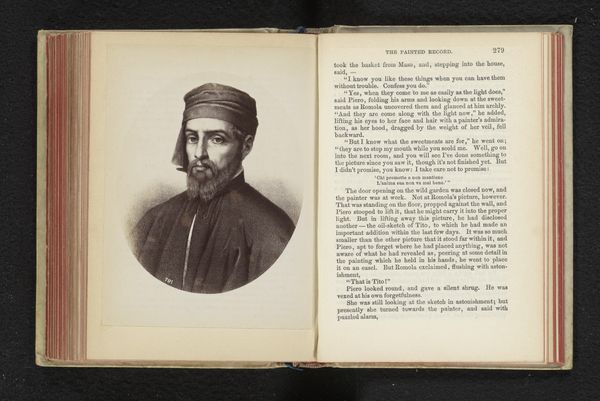
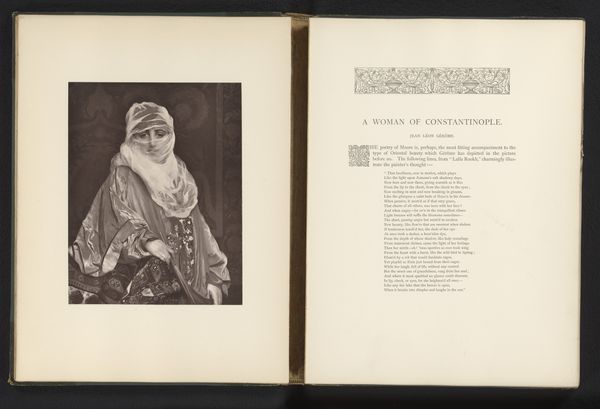
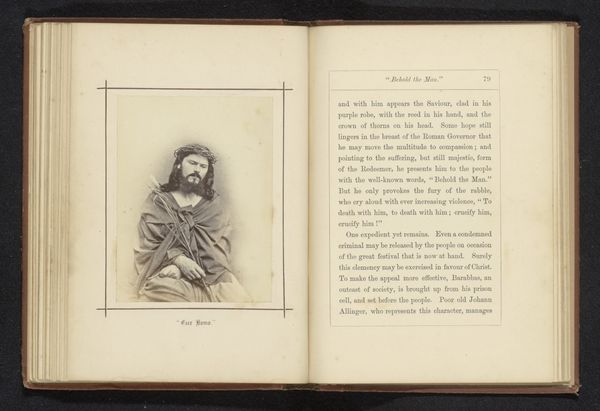
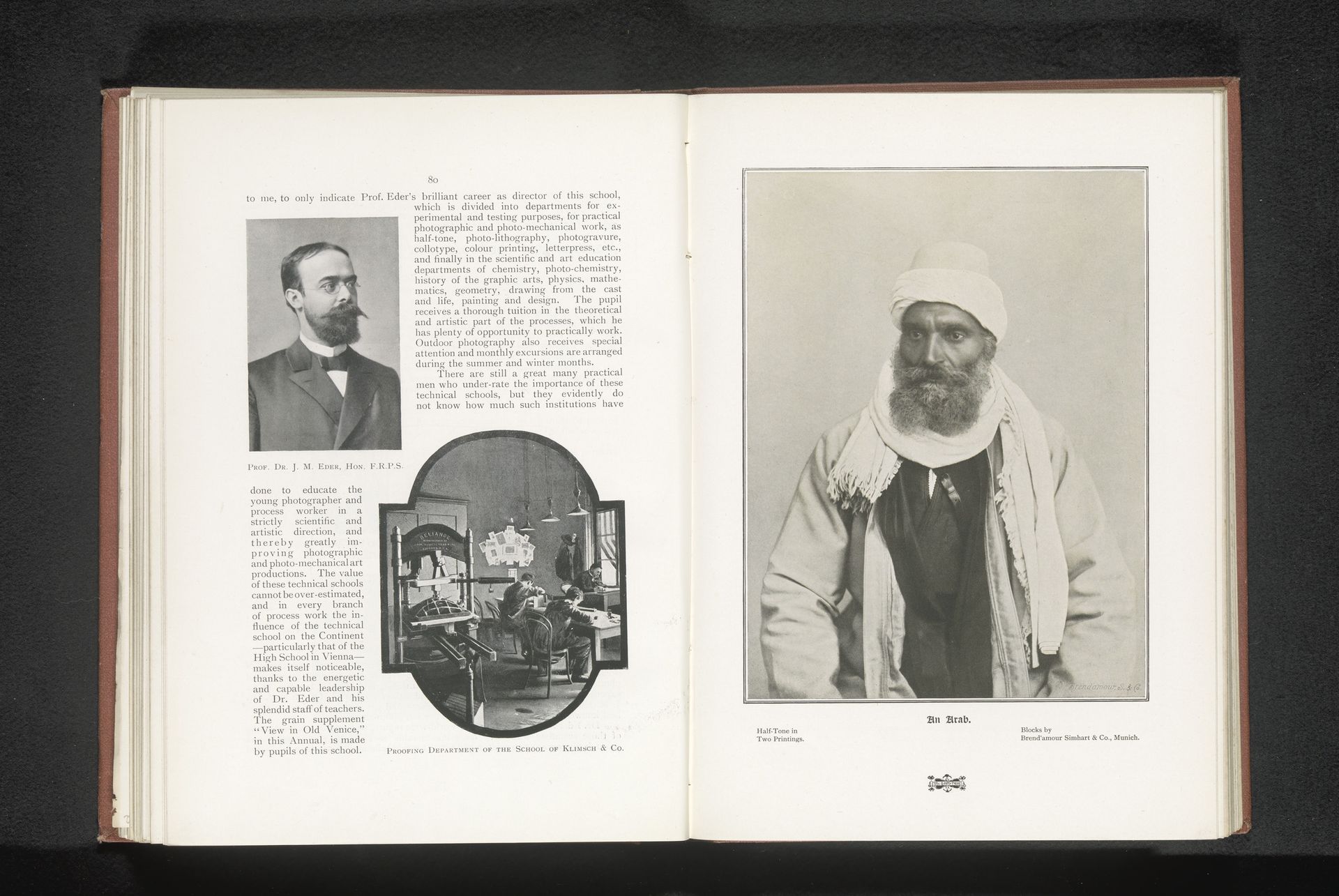
Portret van een onbekende Arabische man

Listen to curator's interpretation
Curatorial notes
Editor: Here we have an interesting gelatin silver print titled "Portret van een onbekende Arabische man," or "Portrait of an Unknown Arab Man," dating to before 1900 and created by Simhart & Co. Brend'amour. The man's gaze is really intense. What do you make of this piece? Curator: This portrait offers us a window into the complex history of representation. Consider the prevalence of Orientalism during this period. How might the photographer's own cultural biases have shaped the image they captured? Editor: That’s a really interesting point. I hadn’t really thought about the potential for bias there, just focusing on him as a figure. Curator: Precisely. Think about who gets to control the narrative. This image isn't just a neutral depiction. The 'unknown Arab man' lacks individual identity; he's presented as an anonymous representation of an entire culture, seen through a European lens. Does that frame it differently for you? Editor: It definitely does. So the portrait becomes less about the individual and more about European perception? Curator: Exactly. And that perception was often intertwined with colonial power dynamics. Photography became a tool for classification and control. What feelings does that incite in you, thinking about it that way? Editor: Discomfort, for sure. I guess I see now how an image can carry so much historical baggage. Thank you. Curator: Indeed. It's a reminder to always question the power dynamics embedded within visual culture, and think critically about the stories that art tells us—and perhaps more importantly, the stories it doesn't.