![Untitled [reclining nude with her head back] [recto] by Richard Diebenkorn](https://d2w8kbdekdi1gv.cloudfront.net/eyJidWNrZXQiOiAiYXJ0ZXJhLWltYWdlcy1idWNrZXQiLCAia2V5IjogImFydHdvcmtzLzI2MzNjZTc1LThkZjgtNGQ3Mi05OWZjLWJlNGY2ZTVjYTRhNi8yNjMzY2U3NS04ZGY4LTRkNzItOTlmYy1iZTRmNmU1Y2E0YTZfZnVsbC5qcGciLCAiZWRpdHMiOiB7InJlc2l6ZSI6IHsid2lkdGgiOiAxOTIwLCAiaGVpZ2h0IjogMTkyMCwgImZpdCI6ICJpbnNpZGUifX19)
About this artwork
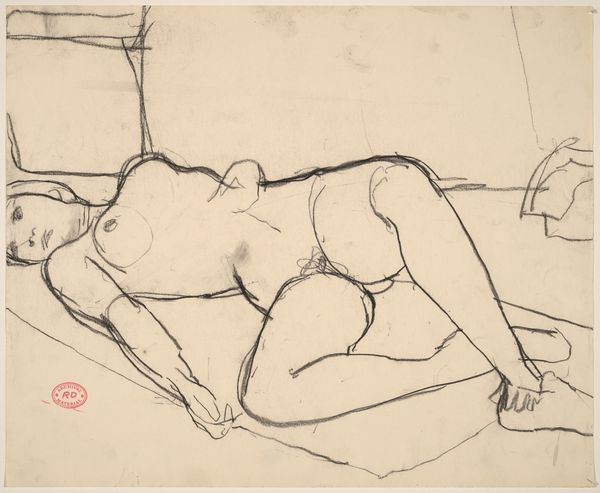
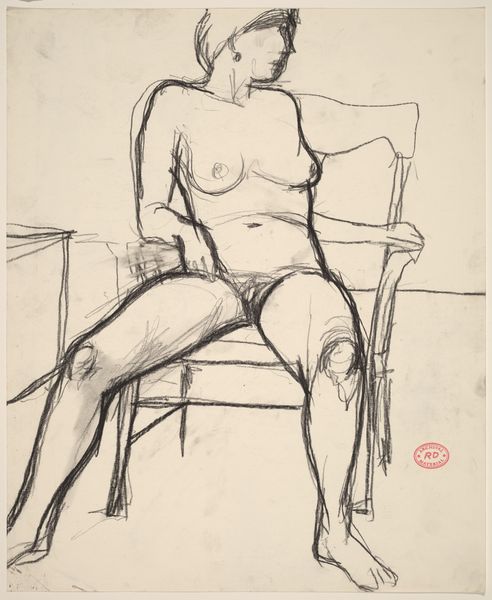
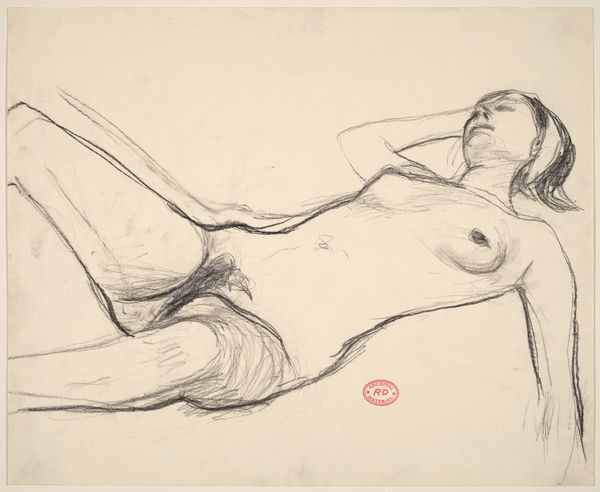
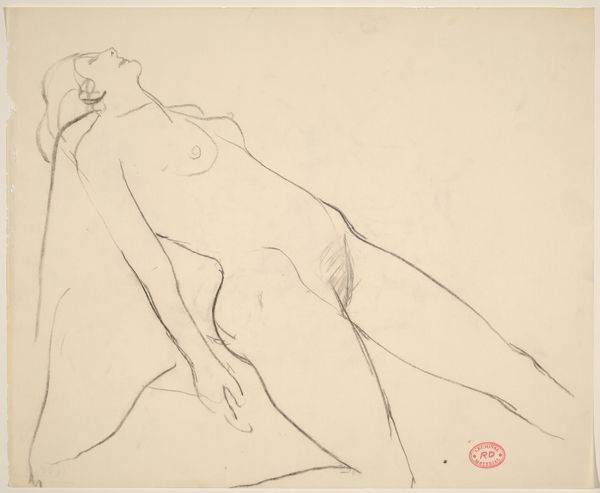
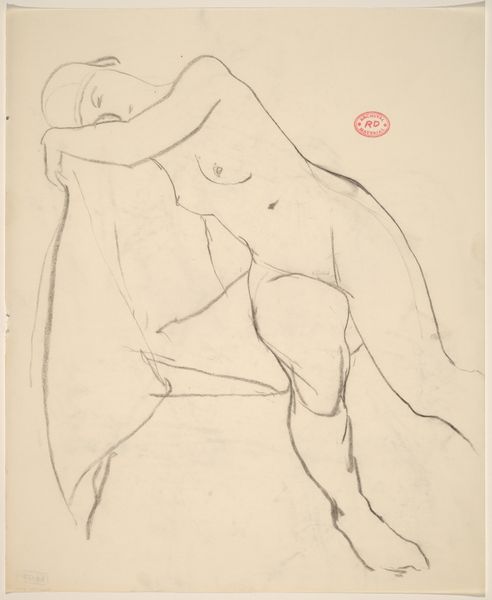
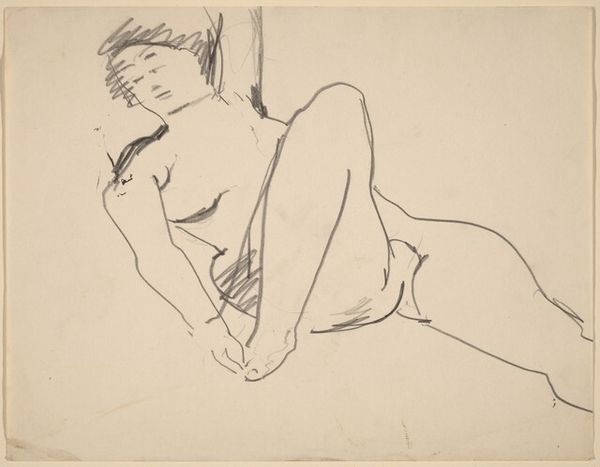
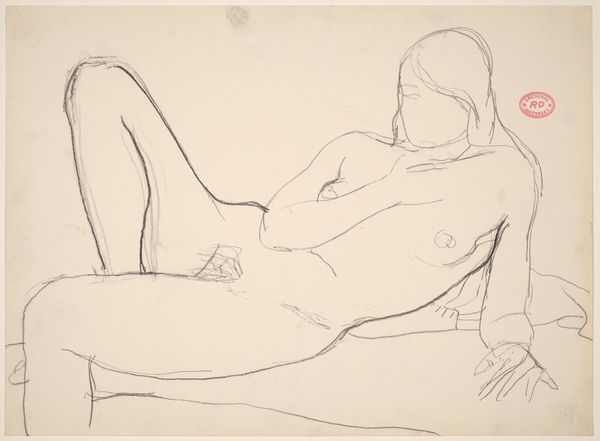
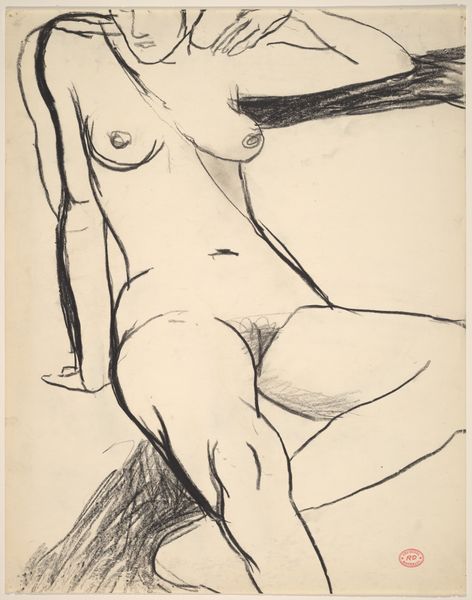
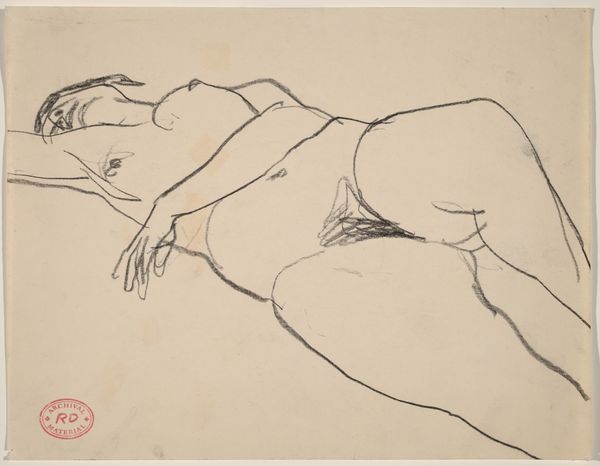
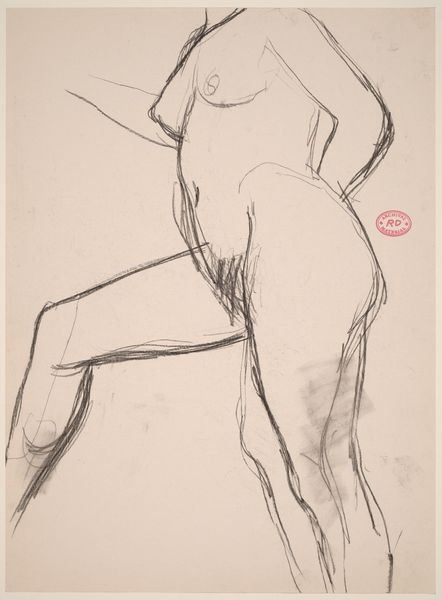
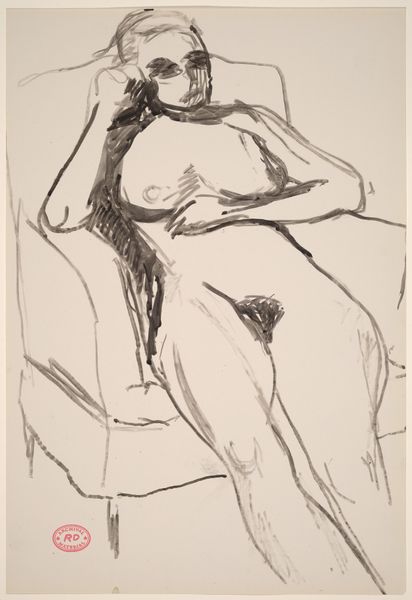
Richard Diebenkorn made this drawing of a reclining nude, we don't know when, and with what looks like charcoal or graphite. Diebenkorn’s lines remind me that artmaking is a process of discovery, not just a way to represent something "out there." Look at the way he’s built up the form with layers of marks, some dark and assertive, others light and tentative. There’s a real sense of searching for the right line. The lines are not overly concerned with precision; instead, they capture a feeling, an impression of the figure. The open quality of the drawing allows us to bring our own imagination to the work, filling in the gaps and co-creating the image with the artist. I think of other artists like Matisse, who similarly used simple lines to evoke a world of sensuality and emotion. For both, it’s about the suggestion, the hint, the poetry of the mark.
Untitled [reclining nude with her head back] [recto]
1955 - 1967


Artwork details
- Medium
- drawing, pencil
- Dimensions
- overall: 35.6 x 43.2 cm (14 x 17 in.)
- Copyright
- National Gallery of Art: CC0 1.0
Tags
Comments
Share your thoughts
About this artwork
Richard Diebenkorn made this drawing of a reclining nude, we don't know when, and with what looks like charcoal or graphite. Diebenkorn’s lines remind me that artmaking is a process of discovery, not just a way to represent something "out there." Look at the way he’s built up the form with layers of marks, some dark and assertive, others light and tentative. There’s a real sense of searching for the right line. The lines are not overly concerned with precision; instead, they capture a feeling, an impression of the figure. The open quality of the drawing allows us to bring our own imagination to the work, filling in the gaps and co-creating the image with the artist. I think of other artists like Matisse, who similarly used simple lines to evoke a world of sensuality and emotion. For both, it’s about the suggestion, the hint, the poetry of the mark.
Comments
Share your thoughts