
Curatorial notes
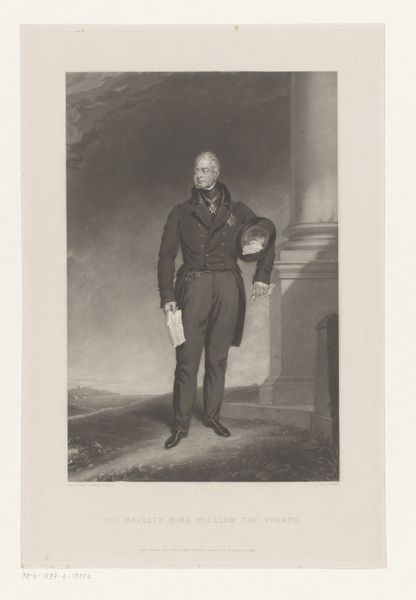
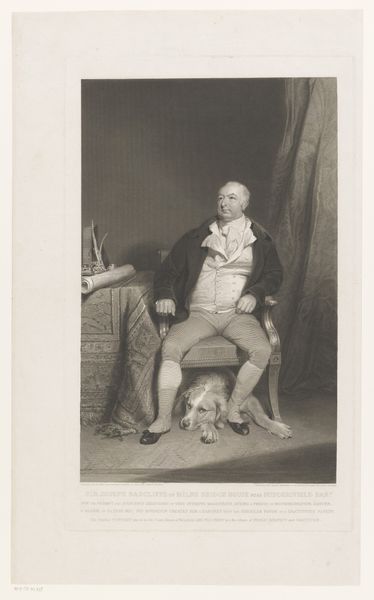
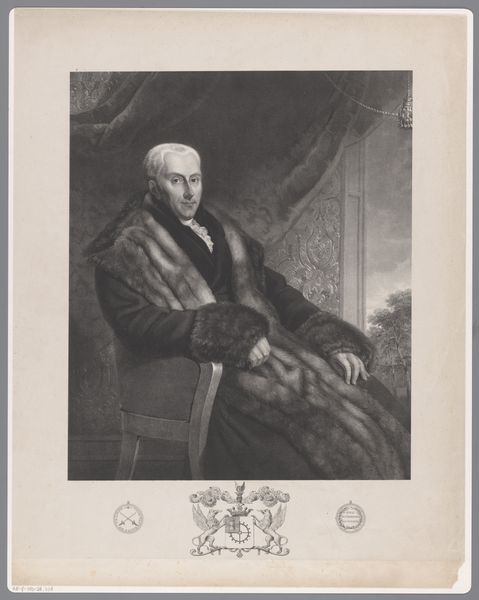
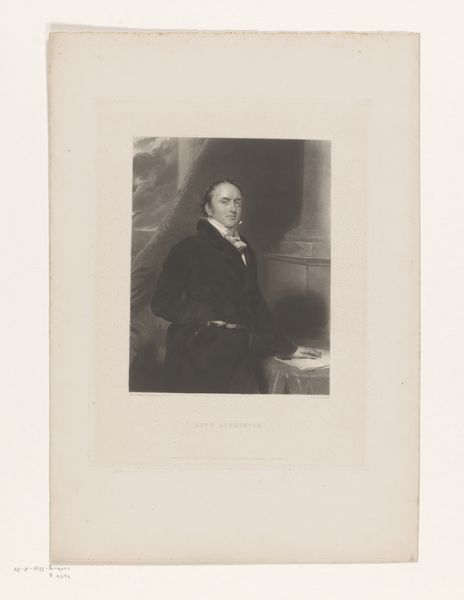
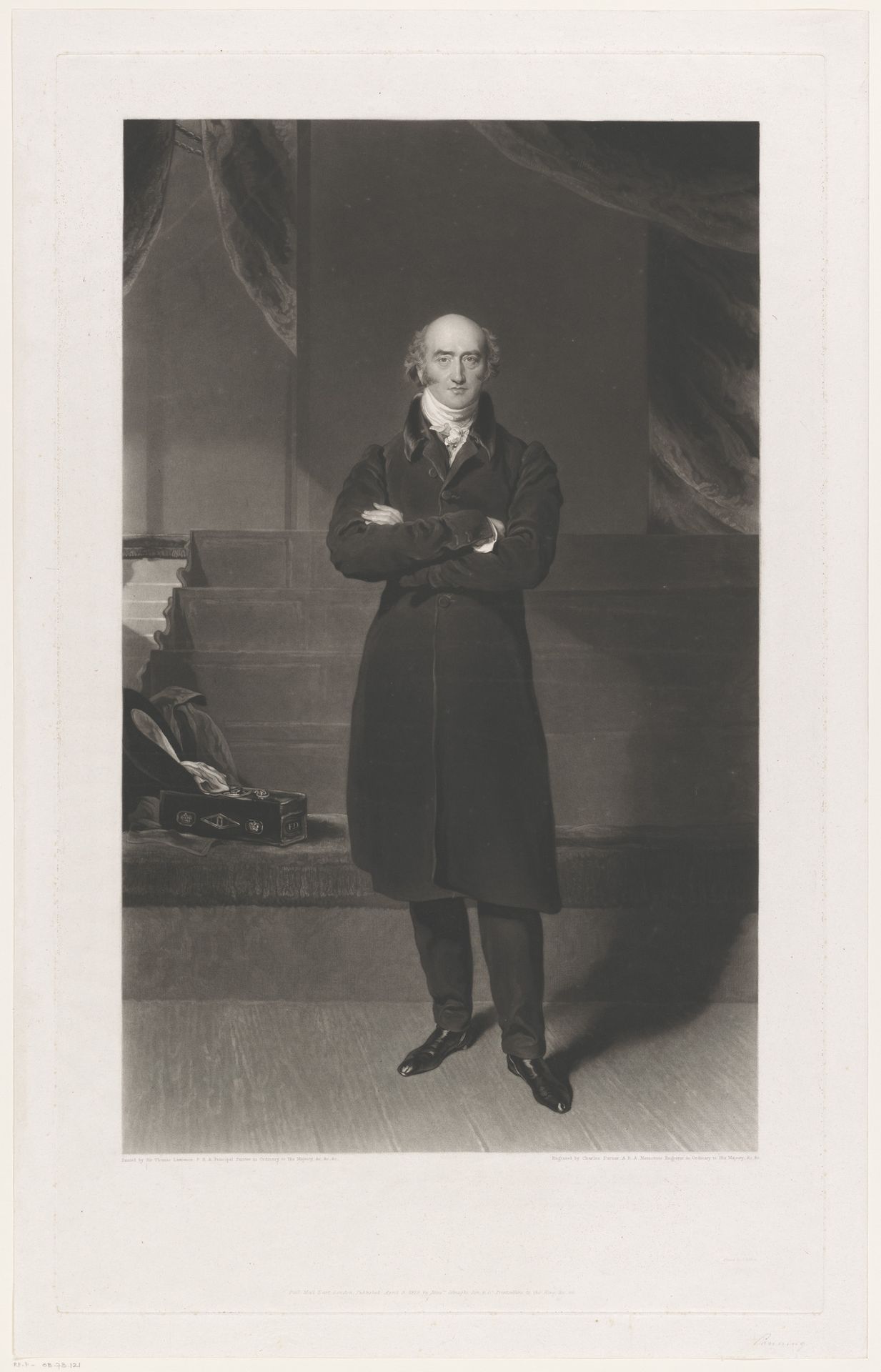
This print of George Canning was made by Charles Turner, who lived from 1774 to 1857. It employs a technique called mezzotint, a printmaking process that relies on subtle gradations of tone to create an image. To make a mezzotint, the metal plate is roughened evenly, so that it would print entirely black if inked. The printmaker then gradually smooths or polishes parts of the surface, so they hold less ink and print lighter tones. This laborious process, akin to sculpting light, results in an image of rich depth. Notice the velvety blacks of Canning’s coat against the soft greys of the background. In its time, mezzotint was valued for its capacity to reproduce the look of paintings, and disseminate them to a wider audience. Think about this when you consider the portrait's purpose: to convey an image of power and authority, carefully constructed through both pose and process. It’s a reminder that even in the realm of fine art, production and distribution are key to understanding social impact.