1925
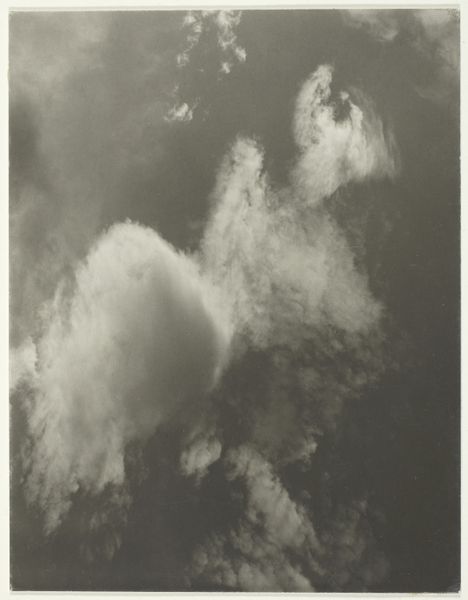
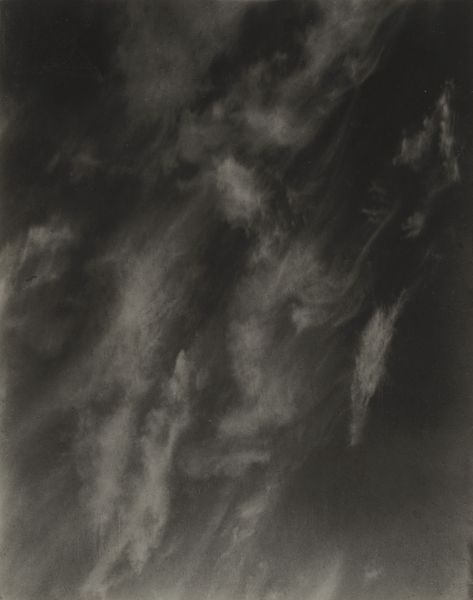
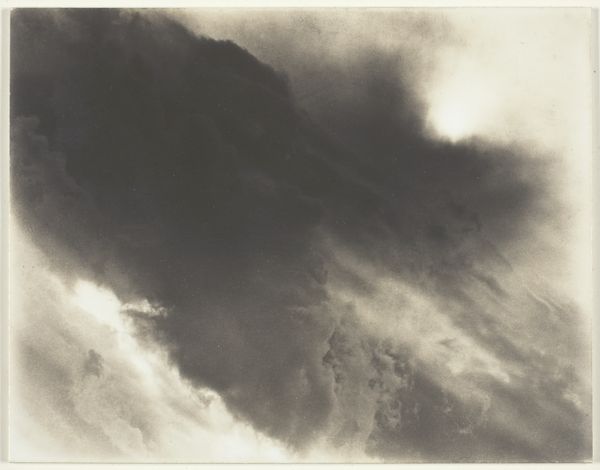
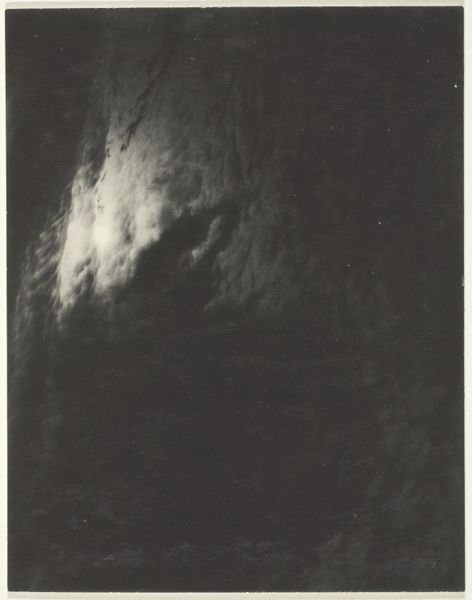
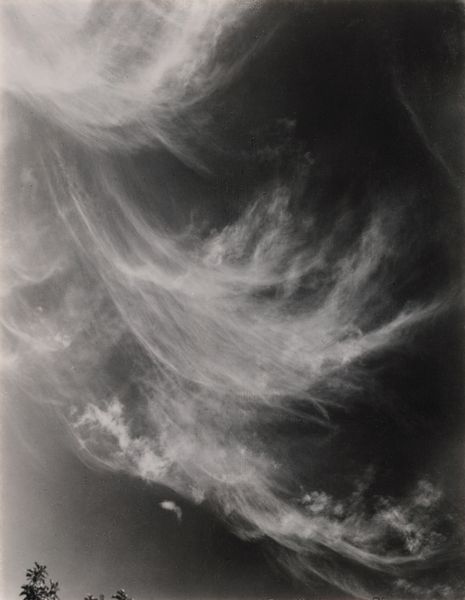
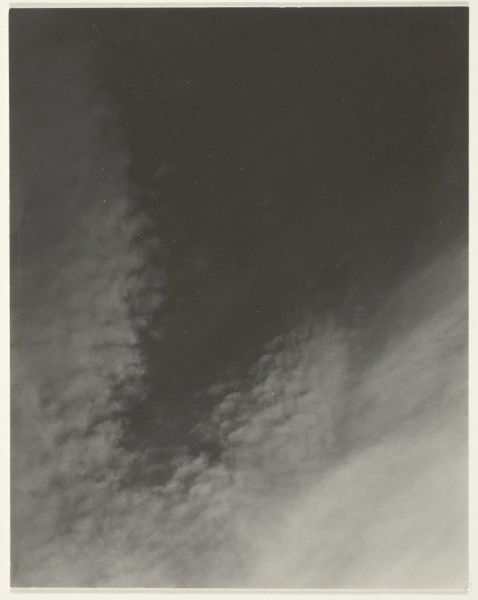
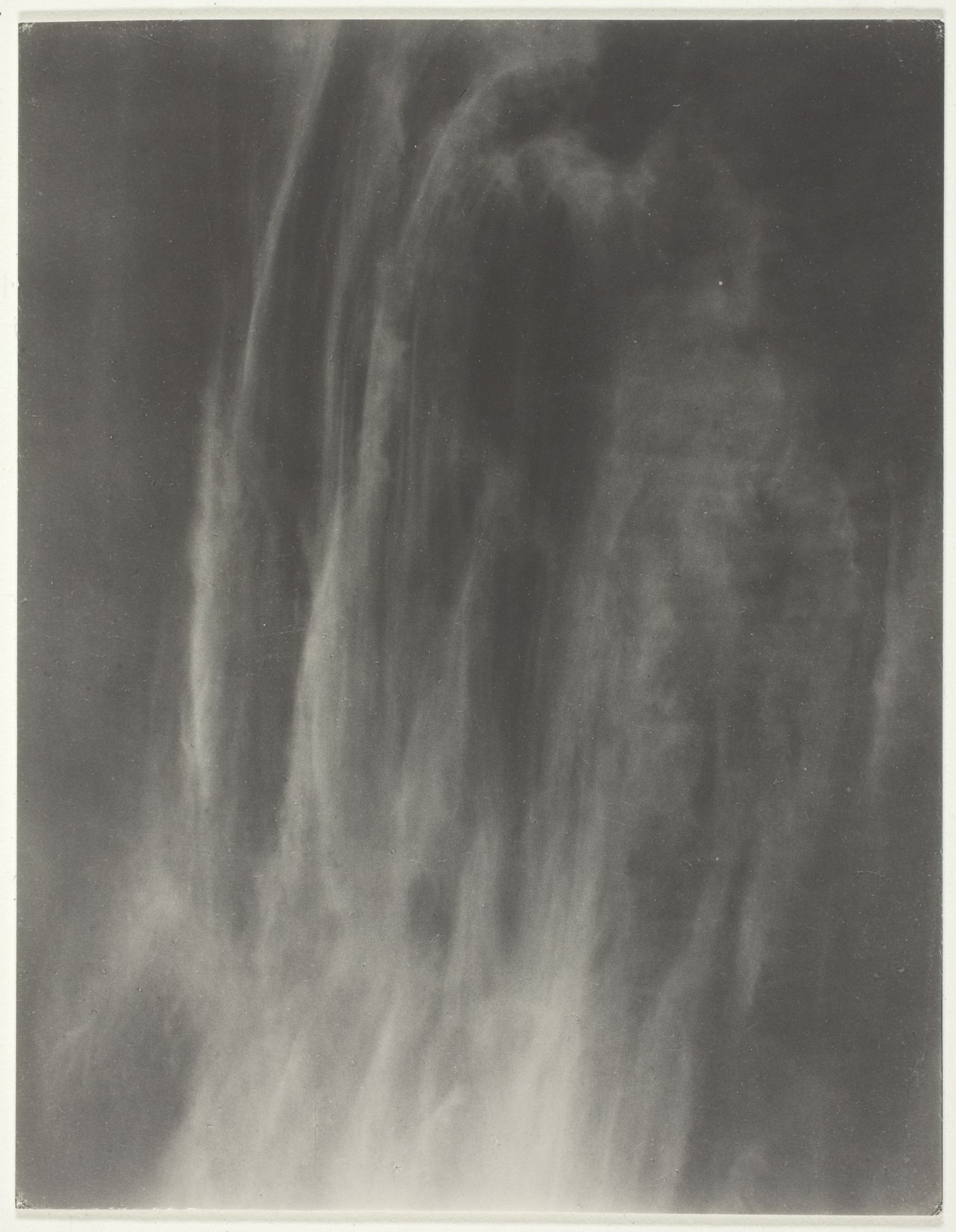
Equivalent


Listen to curator's interpretation
Curatorial notes
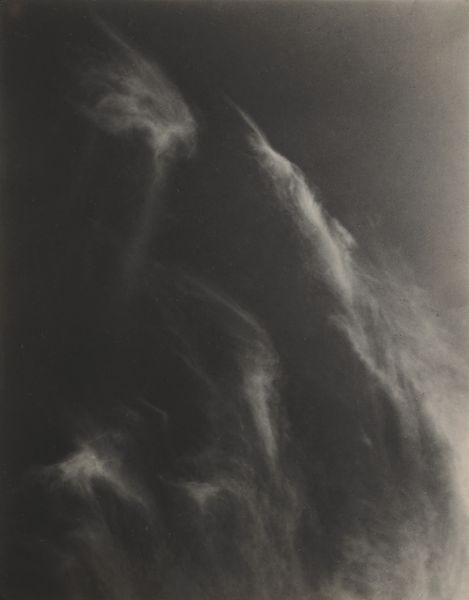
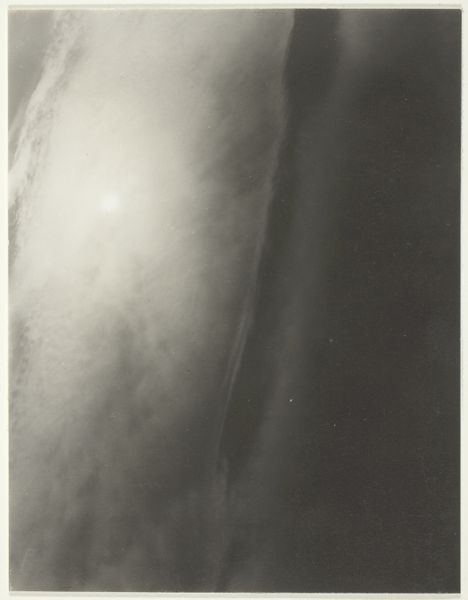
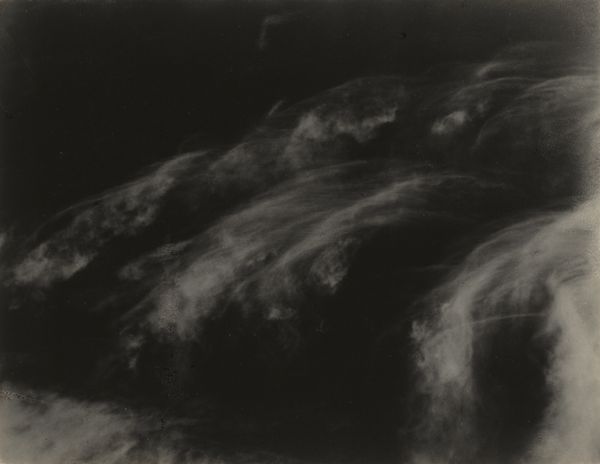
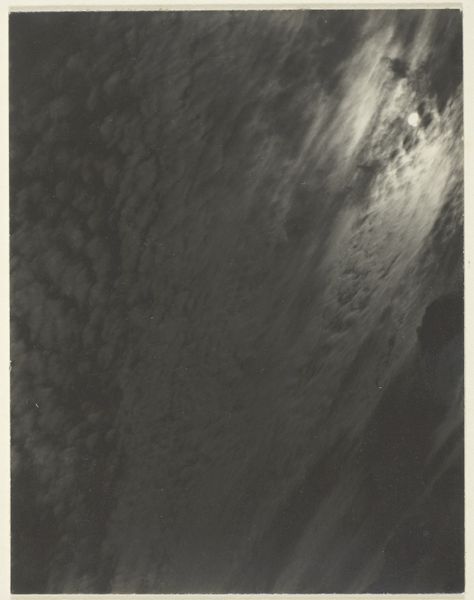
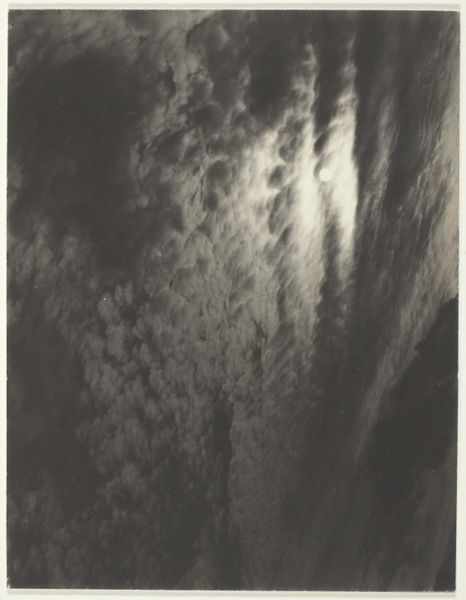
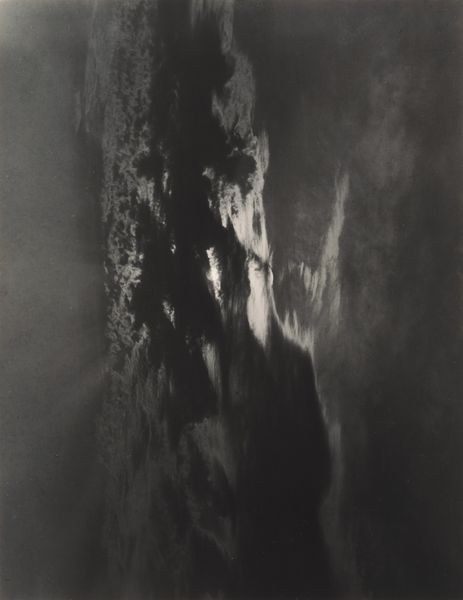
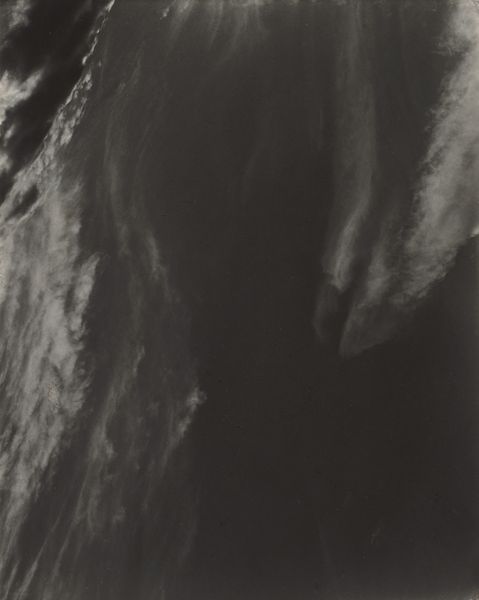
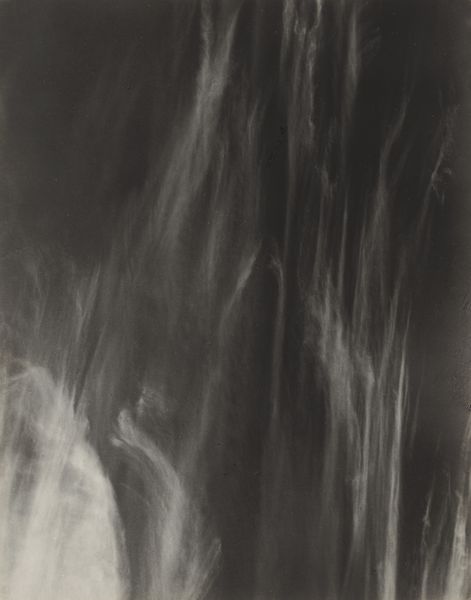
Editor: Here we have Alfred Stieglitz’s photograph, "Equivalent," taken in 1925. It's a silver print on paper, and it’s all wispy clouds, creating an ethereal effect. Honestly, it reminds me a bit of smoke and makes me think of fleeting moments. What exactly are we meant to see here? Curator: Fleeting moments… precisely! It's like catching whispers of the sky, isn't it? Stieglitz, bless his restless soul, aimed to capture not just clouds, but emotions – pure feeling distilled into silver. He was obsessed with finding "equivalents" for his own turbulent inner world in the forms of nature. These aren't simply clouds; they're emotional landscapes, mirrored selves. Do you sense that mirrored quality too? Editor: I guess I can see that. Like he’s projecting? But why clouds? Couldn’t he have used, I don’t know, a portrait? Curator: Portraits capture faces, which can be deceptive! Clouds are shapeshifters. They're abstract, allowing the viewer to project their *own* feelings. Stieglitz was shedding the baggage of traditional portraiture, aiming for universal emotions, almost a visual poetry of the soul. Isn’t that fantastically ambitious, in a slightly mad way? Editor: Mad, but I'm starting to get it! He’s using something simple to express complex emotions. So the clouds aren't the subject, really. It's all about what they evoke. Curator: Bingo! Think of it like music: the notes themselves are just vibrations, but the *feeling* they create… that’s the art. And, perhaps, a bit of the artist laid bare. What do you take away from this aerial ballet of emotion? Editor: That even the most ordinary thing can be profoundly personal. It’s almost daringly simple. Curator: And sometimes, my friend, simplicity is the greatest act of courage. Thanks for sharing this perspective. I'll certainly see these photos differently from now on.